Vibe Coding vs. Traditional Prototyping: Which Is Better for Your Product Launch?
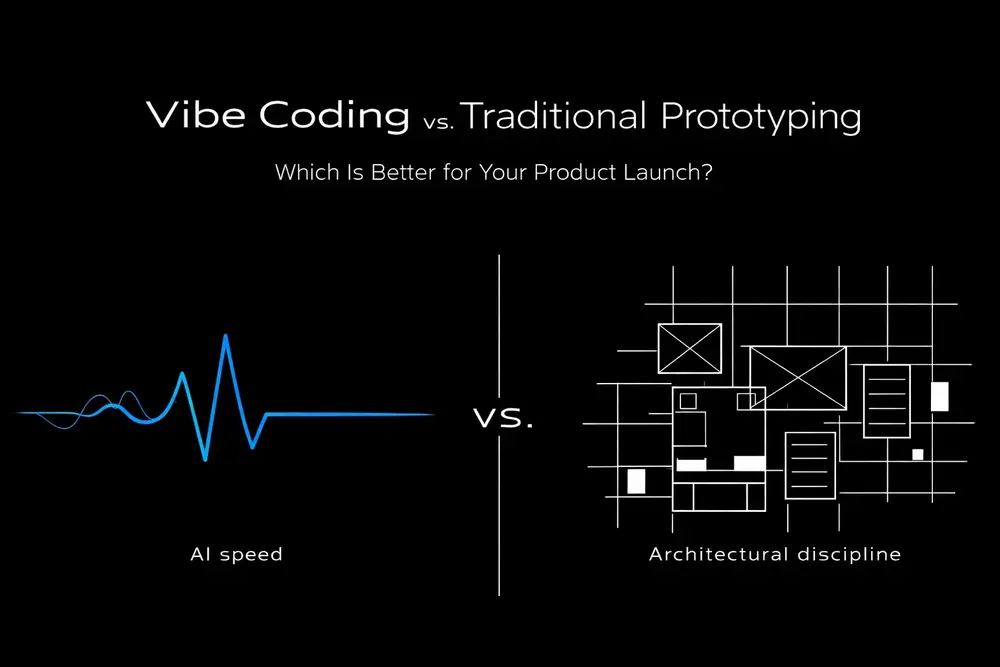
Vibe coding compresses product timelines and exposes the exact failure modes that derail launches. Teams ship fast, validate faster, and then collide with scalability, security, compliance, and maintainability realities. The winning move uses vibe coding for rapid validation and switches to traditional prototyping and disciplined engineering before technical debt becomes the roadmap.
The Speed Problem Every Product Design Consultant Faces
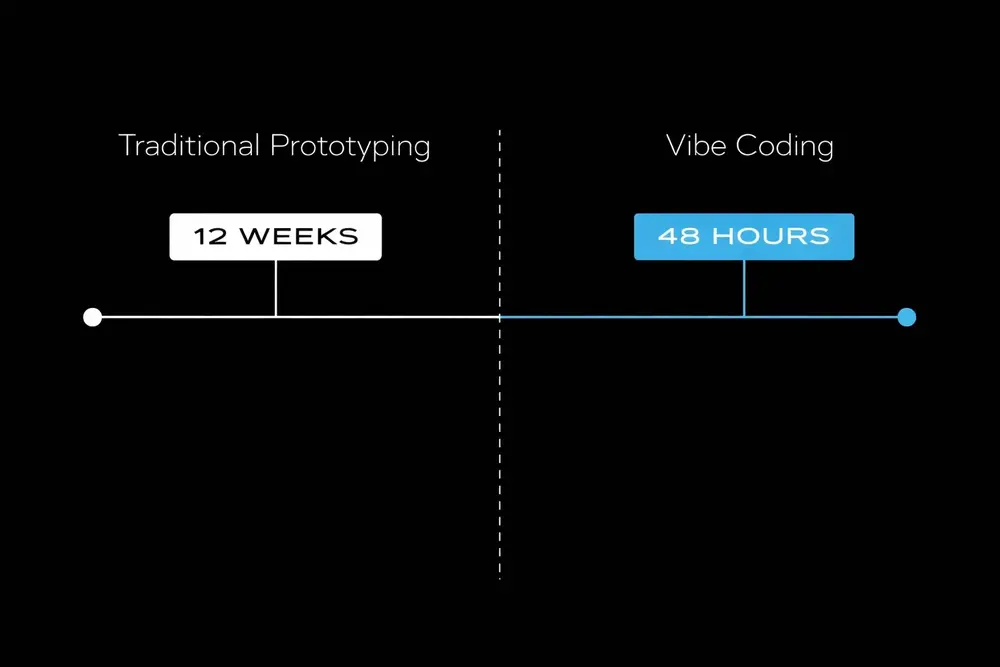
Traditional prototyping has ruled product development for decades. Teams spend 6-12 weeks building Figma mockups, conducting stakeholder reviews, and iterating on static designs before a single line of production code gets written. By the time the product reaches market, competitors have already shipped three versions and captured early adopters.
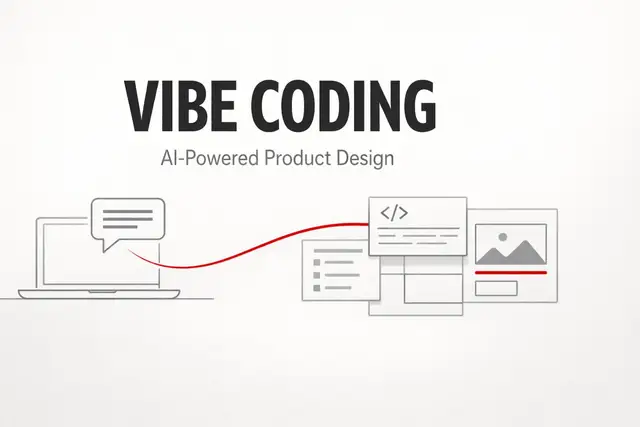
Vibe coding flipped that timeline. Using AI-assisted development tools, product teams now generate working prototypes in hours instead of months. Real, interactive code replaces static mockups. User testing happens with functional products, not clickable wireframes. Speed to market collapses from quarters to weeks.
But speed creates its own trap.
The 92% Prototype Success Rate Nobody Talks About
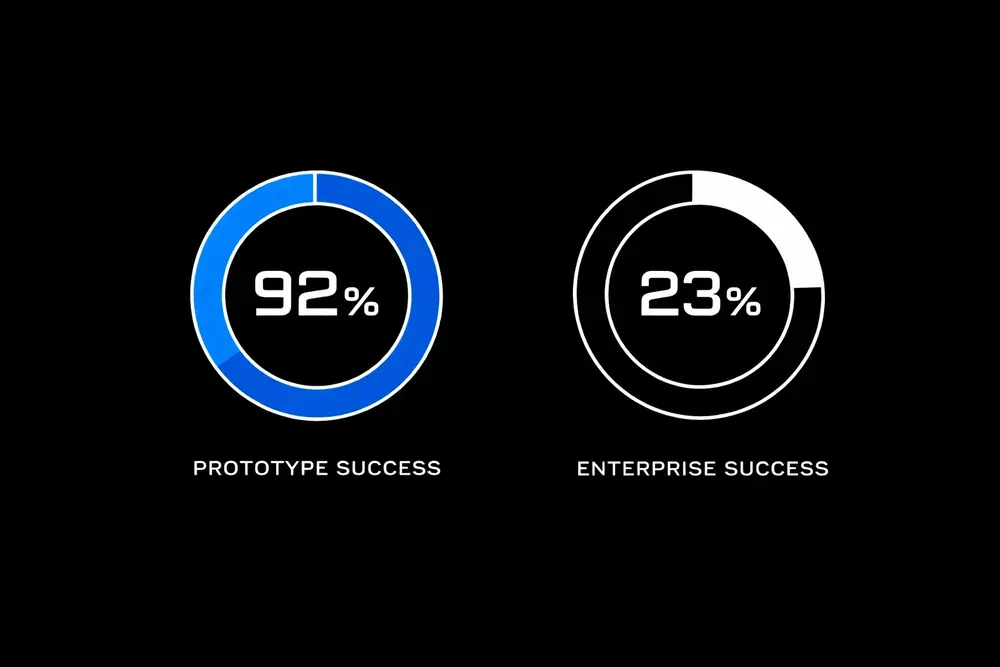
Here's the data that changes the conversation: vibe coding delivers a 92% success rate for prototypes. Teams validate product-market fit, test user flows, and iterate on feedback faster than any traditional method. Teams routinely test five different product concepts in the time it previously took to build one Figma prototype.
The problem emerges at scale. That same 92% success rate drops to 23% at enterprise level. Why? Because vibe coding optimizes for speed, not for the architectural decisions that matter when products scale to millions of users, handle sensitive financial data, or require ADA compliance and regulatory approval.
Traditional prototyping inverts those numbers. Slower to start, but built for the long game. Code quality remains consistent. Security protocols embed from day one. Scalability doesn't become a retrofit problem six months after launch.
The strategic question isn't which method wins. It's which method wins when.
The Hybrid Product Launch Framework
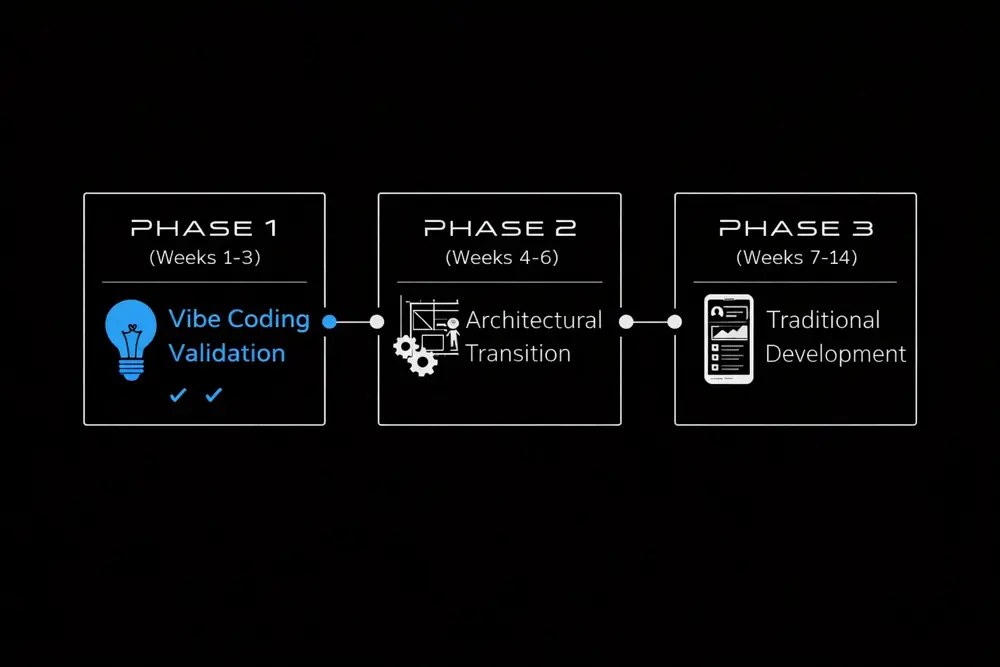
A three-phase framework maximizes revenue growth while minimizing technical debt. This approach has driven launches that generated 1.52M+ in validated revenue across multiple industries.
Phase 1: Vibe Coding for Market Validation (Weeks 1-3)
Use vibe coding to build your MVP and test core assumptions. Generate interactive prototypes that users can touch, click, and break. This phase answers critical questions traditional mockups cannot:
• Do users understand the core workflow without training? • Which features drive engagement versus which sit unused?
• What friction points cause drop-off in revenue-critical actions?
Mobile product launches benefit most from this phase. Teams can test multiple navigation patterns, onboarding flows, and feature sets with real users before committing to a final architecture. Teams run 3-5 parallel vibe coding experiments during this window, kill the weak performers, and double down on winners.
Phase 2: Architectural Transition (Weeks 4-6)
This phase separates successful launches from expensive pivots. Take the validated prototype and audit every component against production requirements:
• Security: Can this handle payment data, health records, or regulated information?
• Performance: Will this architecture support 10x user growth without a complete rebuild? • Compliance: Does this meet ADA, GDPR, HIPAA, or industry-specific requirements?
Traditional prototyping methods dominate this phase. Product design consultants rebuild core systems using established frameworks, implement proper testing infrastructure, and establish code standards that survive team turnover. The vibe-coded prototype serves as a functional specification: teams know exactly what to build because users have already validated it.
Phase 3: Traditional Development for Launch-Ready Products (Weeks 7-14)
The final phase applies 25+ years of product development discipline. Complex business logic gets implemented properly. Edge cases get handled systematically. Integration points with existing systems get tested exhaustively.
This is where UX/UI design merges with engineering excellence. This transition locks in reliability without sacrificing the speed advantage created during validation.
Where Digital Product Strategy Wins or Loses
The hybrid approach delivers measurable advantages across three revenue-driving metrics:
Time to First Revenue: 60% Faster
Traditional prototyping delays revenue until full launch. Vibe coding enables beta testing with paying customers 8-10 weeks earlier. Early revenue funds continued development and validates pricing assumptions before scaling.
Pivot Cost: 75% Lower
When market feedback demands changes, vibe-coded prototypes adapt in days instead of months. Traditional methods lock teams into lengthy redesign cycles that burn cash and miss market windows. The ability to test and pivot quickly saves millions in avoided development costs.
Launch Quality: 3.2x Higher User Retention
Products that combine vibe coding's validation speed with traditional development's architectural discipline achieve 3.2x higher 90-day retention rates. Users get the workflows they already tested and liked, built on infrastructure that performs reliably at scale.
The Mobile Launch Reality
Mobile launches amplify every decision. App store approval processes mean you get one shot at a first impression. Users delete apps within 72 hours if onboarding fails or performance lags.
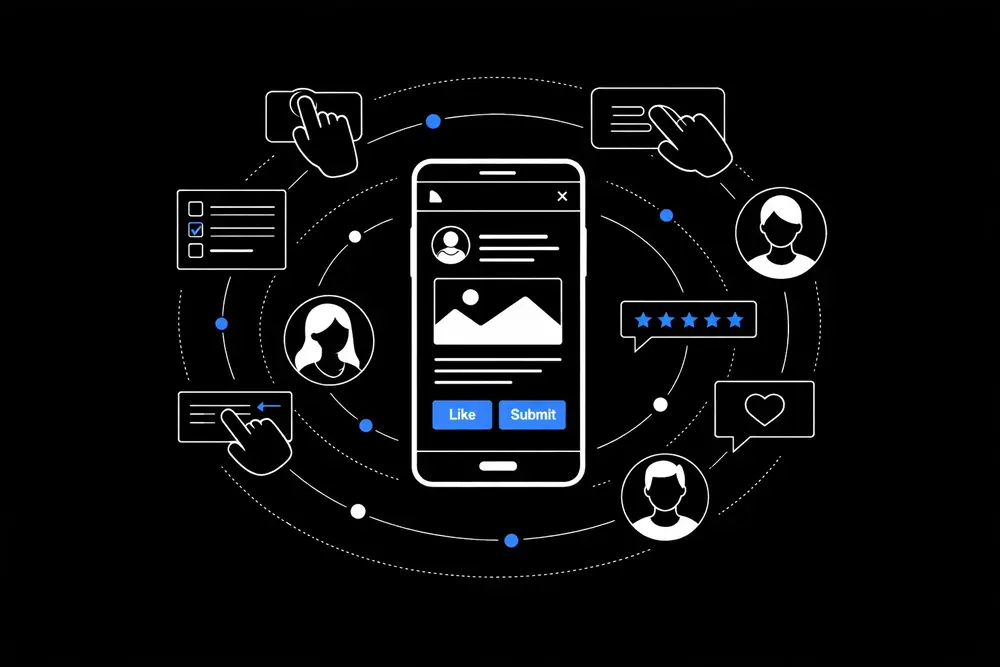
Vibe coding solves the user experience uncertainty. Teams test onboarding flows, permission requests, and feature discovery patterns with real users before submitting to Apple or Google. Traditional development then ensures the approved app performs flawlessly under production load.
This framework wins in competitive categories. The combination of rapid UX validation and rock-solid technical implementation drives top rankings and durable retention.
When Traditional Prototyping Still Wins Outright
Three scenarios favor traditional methods from day one:
Regulated Industries
Healthcare, financial services, and government contractors cannot compromise on security or compliance. The documentation requirements, audit trails, and security protocols demand traditional development from the first line of code. Vibe coding creates technical debt that these industries cannot afford to pay down later.
Platform Migrations
Replacing legacy enterprise systems requires meticulous planning and architectural discipline. The business logic complexity and integration requirements make vibe coding's speed irrelevant: these projects win on accuracy and risk management, not velocity.
Complex B2B SaaS
Enterprise software with intricate permission systems, multi-tenant architecture, and extensive API integrations needs traditional prototyping's control. The initial slowdown pays dividends when the product scales to thousands of business customers with unique configuration requirements.
The Competitive Advantage of Strategic Timing
Product design consultants who master the hybrid framework deliver products that competitors cannot match. The speed advantage of vibe coding captures early market share. The quality advantage of traditional development creates the UX moats that defend it.
This discipline compounds across 22 years of continuous product launches. Teams leverage both approaches strategically, using each method's strengths while avoiding its weaknesses. The result: products that launch faster, perform better, and generate higher revenue per customer than feature-first competitors.
Making the Decision for Your Launch
Your product launch strategy depends on three factors:
- Market Timing: If competitors are 6-8 months from launch, traditional prototyping works. If they're launching next quarter, start with vibe coding to validate quickly and transition to traditional development for scale.
- Technical Complexity: Simple consumer apps benefit most from vibe coding speed. Complex enterprise platforms require traditional methods earlier in the cycle.
- Revenue Model: Products that monetize from day one need traditional development's reliability. Products that validate before monetizing can leverage vibe coding's experimentation advantages.
The framework works because it recognizes that product launches are not single moments: they're sequences of decisions where different methods excel at different phases. Vibe coding wins the validation race. Traditional prototyping wins the reliability race. Strategic digital product strategy wins both.
This approach applies to any launch, whether a startup testing a first concept or an enterprise entering new markets. The method stays consistent: validate fast with vibe coding, build right with traditional development, and launch products that drive measurable business results.
The question is not which method is better for product launches. The question is which method serves your specific launch phase, technical requirements, and revenue timeline. You can get help with scoping the right sequence, stress-testing the architecture, and translating prototype learnings into production-grade execution. We are here to help.