The Life of a Product Designer in 2026: AI, Vibe Coding, and the Conversion Obsession
Recognized as one of the Top 100 innovators in US by Top 100 Magazine and featured in over 15 major media publications including Forbes, Wired, Yahoo Finance, and Telemundo, Mr. Ortiz has spent over 25 years at the intersection of technology and human-centric design. As a visionary with one US utility patent with a CIP and a track record of managing 172 successful projects, he has consistently demonstrated that product design is not merely about aesthetics: it is a high-stakes driver of global revenue. With 1.52 million happy customers served across his managed portfolios, his expertise represents the gold standard in a 2026 landscape where AI-driven design and data-backed conversion metrics dictate market leadership.
In 2026, the role of a product designer has undergone a fundamental transformation. What was once a manual process of pixel pushing has evolved into a strategic orchestration of artificial intelligence, regulatory compliance, and psychological triggers. For experts like Mr. Ortiz, the focus has shifted from "how it looks" to "how it performs" and "how it scales."
About the design landscape in 2026
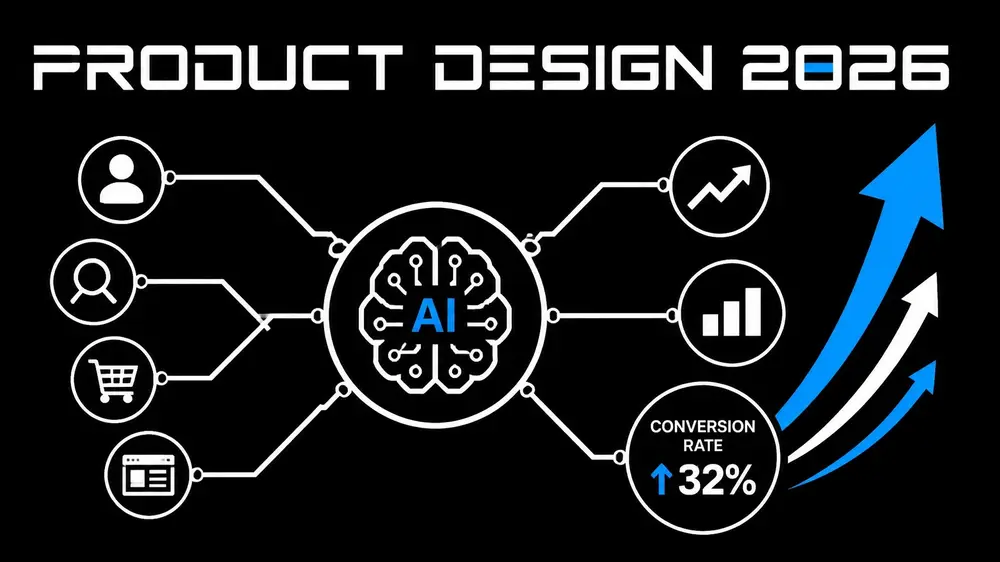
The industry has reached a tipping point. Today, 93% of elite product designers utilize AI as a daily partner. AI is no longer a peripheral tool; it is the infrastructure. In the hands of a seasoned expert, AI agents now handle the labor-intensive tasks of generating UI states, conducting multi-variant testing, and maintaining design tokens. This allows designers to focus exclusively on high-level strategy and emotional intelligence: qualities that machines still cannot replicate.
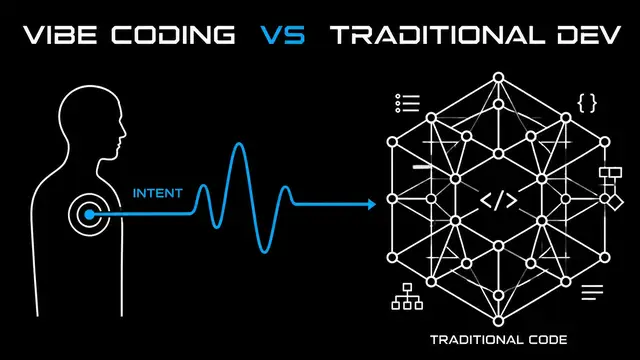
The emergence of "vibe coding" has revolutionized the prototyping phase. Instead of spending weeks on low-fidelity wireframes, designers now communicate intent and "vibes" to multimodal AI systems that generate functional, production-ready prototypes in real-time. This transition from syntax to intent has compressed the development cycle, allowing for a 40% faster time-to-market for digital products.
The conversion obsession: design as revenue
In 2026, the industry has finally discarded the notion that design is subjective. Every decision is backed by cold, hard data. The obsession with conversion rates is at an all-time high, driven by the realization that design-led companies consistently outperform the S&P 500 index by nearly 200%.
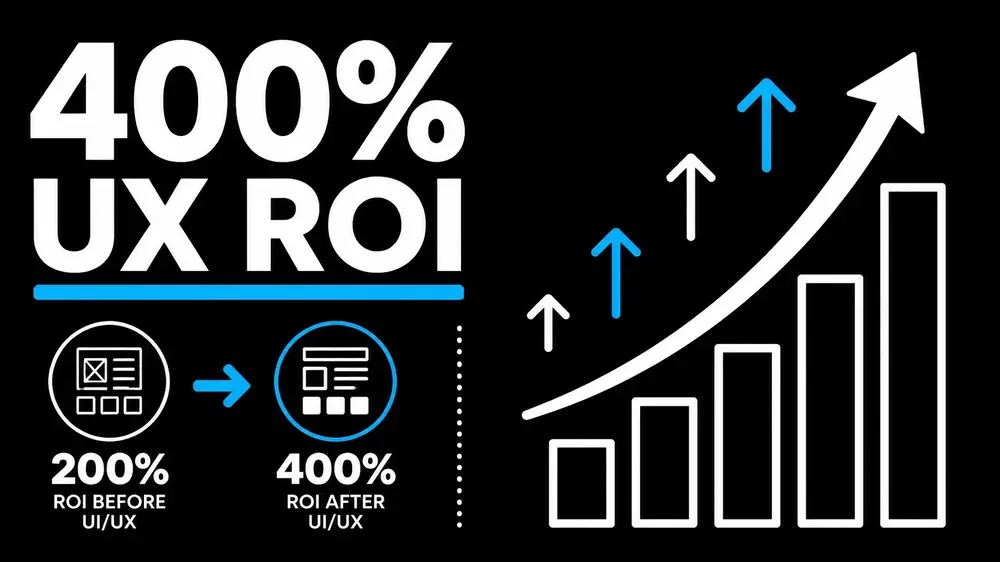
The metrics are absolute. A well-executed User Interface (UI) can boost conversion rates by 200%, while a superior User Experience (UX) can drive those gains up to 400%. Conversely, the cost of friction is devastating. A mere 1-second delay in mobile load times can result in a 7% reduction in conversions. Furthermore, 53% of mobile users will abandon a page if it takes longer than three seconds to load.
Mr. Ortiz emphasizes that the most significant gains are often found in the checkout experience. Strategic UX fixes in the transaction flow can boost conversion rates by as much as 35%. This is the reality of modern product design: it is a quantitative science where every millisecond and every pixel has a measurable impact on the bottom line.
Regulatory mandates: EAA and ADA compliance
The legal landscape has also shifted. The European Accessibility Act (EAA) is now fully in force, transforming accessibility from a "nice-to-have" feature into a mandatory requirement for any digital product operating in the global market. Non-compliance is no longer an option; it is a significant business risk.

Mr. Ortiz has long championed the integration of ADA compliance into the foundational design process. By prioritizing inclusive design: ensuring screen reader compatibility, keyboard navigation, and cognitive load reduction: designers are not just avoiding legal penalties; they are expanding their addressable market. Accessible design is simply better design, providing a seamless experience for the broadest possible audience.
Facts: the metrics of success
The following data points represent the scale and impact of professional design management in the current era:
- 25+ Years of Experience: A quarter-century of navigating technological shifts from the birth of the web to the AI revolution.
- 1.52 Million Customers: The volume of users impacted by products designed and managed under Mr. Ortiz’s vision.
- 172 Managed Projects: A diverse portfolio ranging from global corporate solutions to entrepreneurial startups.
- 1 US Utility Patent with a CIP: Tangible evidence of innovation and the creation of proprietary intellectual property.
- 15+ Major Media Mentions: Expert commentary featured in Wired, Forbes, and other global authorities.
Skills: the 2026 archetype
The modern product designer must possess a blend of creative, technical, and business capabilities. Mr. Ortiz’s skill set exemplifies this multifaceted approach:
- UI/UX Design (95%): Mastery of generative UI, motion design, and high-performance user interfaces.
- Product Management (95%): Navigating the entire product lifecycle from ideation to revenue growth.
- Business Acumen (90%): Understanding market trends, competitive analysis, and ROI-driven strategy.
- ADA Compliance (90%): Deep knowledge of accessibility standards and international regulatory requirements.
Vibe coding and the speed of intent
The shift toward vibe coding has empowered designers to become "doers" in the truest sense. By leveraging AI to translate natural language descriptions of "feel" and "intent" into code, the barrier between a visionary idea and a functional product has virtually disappeared.
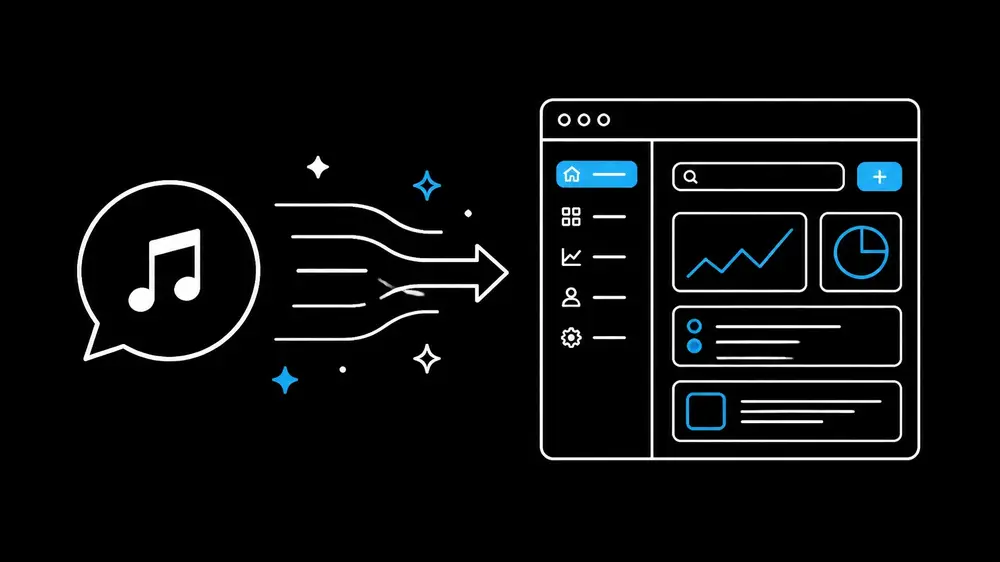
However, this speed necessitates even greater governance. Without a seasoned designer to oversee the AI’s output, vibe-coded products can quickly deviate from brand standards or fail accessibility checks. Mr. Ortiz provides that critical "intelligence layer," ensuring that rapid iterations remain on-brand, compliant, and optimized for conversion.
The human element in an AI world
Despite the prevalence of AI, the human designer remains the most critical component of the product ecosystem. AI can optimize for a known goal, but it cannot empathize with a user’s frustration or anticipate a shift in human desire. The role of the designer in 2026 is to provide context, strategy, and the "why" behind every "how."
He views design as a process of continuous improvement. It is a loop of data analysis, prototyping, and refinement. Whether it is through hyper-personalization, calm UX, or kinetic typography, the goal remains the same: driving performance and generating millions in revenue for those who understand the value of superior design.
From global corporations to entrepreneurs looking to scale, the demand for high-level product design has never been greater. In a world where 53% of users will leave a slow page, and 90% of a product's success is determined by its user experience, the expertise of a recognized innovator is the difference between market dominance and obsolescence.
As digital solutions become more complex, the need for a data-driven, strategic approach to design is paramount. We are here to help you navigate this transition, ensuring your products are not only beautiful and accessible but also engineered for maximum conversion.