Beyond Vibe Coding: Why 'Emotional Design' Is the Only Way to Compete in an AI World
The technical barrier to entry has collapsed. In 2026, anyone with a ChatGPT subscription can build a functional application by describing what they want in plain English. "Vibe coding": the ability to generate working software by articulating a mood, aesthetic, or general direction: has democratized technical creation in ways unimaginable just three years ago.
A veteran product design strategist with over 25 years of experience generating millions in revenue for global corporations has watched this shift accelerate throughout the industry. Recognized by major media outlets and holding a utility patent with a CIP in digital innovation, he has observed a fundamental truth emerging from the AI revolution: technical execution is rapidly becoming a commodity. The real competitive moat has shifted entirely to human-centric emotional design.
The Vibe Coding Revolution Changed Everything
The term "vibe coding" captures something profound about the current state of technology development. Developers no longer need to memorize syntax, debug complex logic trees, or spend weeks architecting database schemas. They describe the feeling they want to create: the vibe: and AI generates the technical scaffolding.
This represents a seismic shift in the economics of digital product creation. What once required teams of specialized engineers can now be prototyped by a single person in hours. The technical skills that commanded six-figure salaries have been compressed into conversational prompts. Front-end frameworks, back-end infrastructure, API integrations: all reducible to natural language requests.
But here lies the critical insight: if everyone can build technically proficient applications, technical proficiency stops being a differentiator.
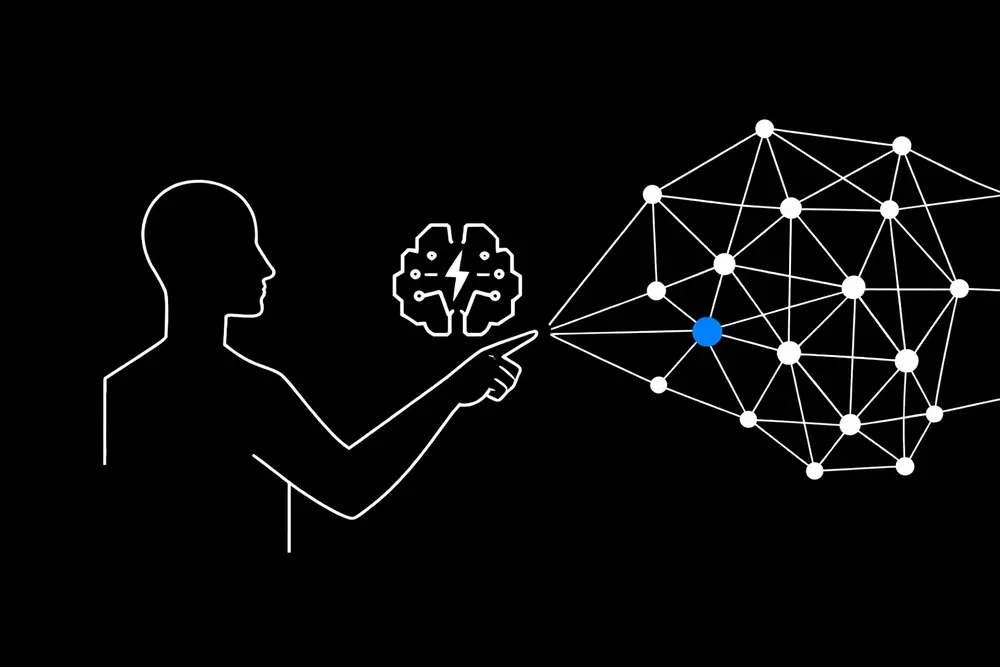
Technical Skills Have Become Table Stakes
The market dynamics are brutal and clear. When AI can generate pixel-perfect interfaces, write clean code, and handle complex logic, the value of pure technical execution plummets. The designer who can implement a gradient perfectly and the one who cannot are now separated by seconds, not skill levels.
This commoditization mirrors historical patterns across multiple industries. When calculators arrived, mathematical computation skills lost their premium. When spellcheck became ubiquitous, perfect spelling stopped being a marketable differentiator. AI-assisted development follows the same trajectory: the technical becomes table stakes, and differentiation moves elsewhere.
This evolution has played out across 172 completed projects spanning multiple industries. The pattern repeats consistently: teams initially focus on technical specifications: frameworks, features, integrations. But products that succeed in the market share a different characteristic entirely. They create emotional resonance with users.
Emotional Design Is the New Competitive Moat
Dr. Don Norman, who pioneered the concept of emotional design decades ago, recognized what the current AI revolution makes impossible to ignore: emotions shape decision-making processes as profoundly as functional utility. In a world where technical execution is automated, the ability to create products that resonate emotionally becomes the only defensible advantage.
Emotional design operates on three interconnected levels:
Visceral design addresses immediate perceptual responses. This encompasses aesthetics, but goes deeper: it triggers pre-conscious reactions that determine whether users feel instinctively drawn to or repelled by an interface. AI can generate beautiful layouts, but understanding which specific aesthetic choices trigger trust, excitement, or comfort in specific demographic contexts requires human psychological insight.
Behavioral design focuses on the pleasure and effectiveness of use. AI can optimize workflows based on analytics, but understanding the emotional journey users experience during task completion: the micro-frustrations, the moments of delight, the psychological momentum: requires empathy that machines cannot simulate.
Reflective design encompasses the meaning and personal identification users develop with products. This layer determines whether users become advocates or remain indifferent. It requires understanding cultural narratives, personal identity construction, and social signaling: domains where human insight remains irreplaceable.
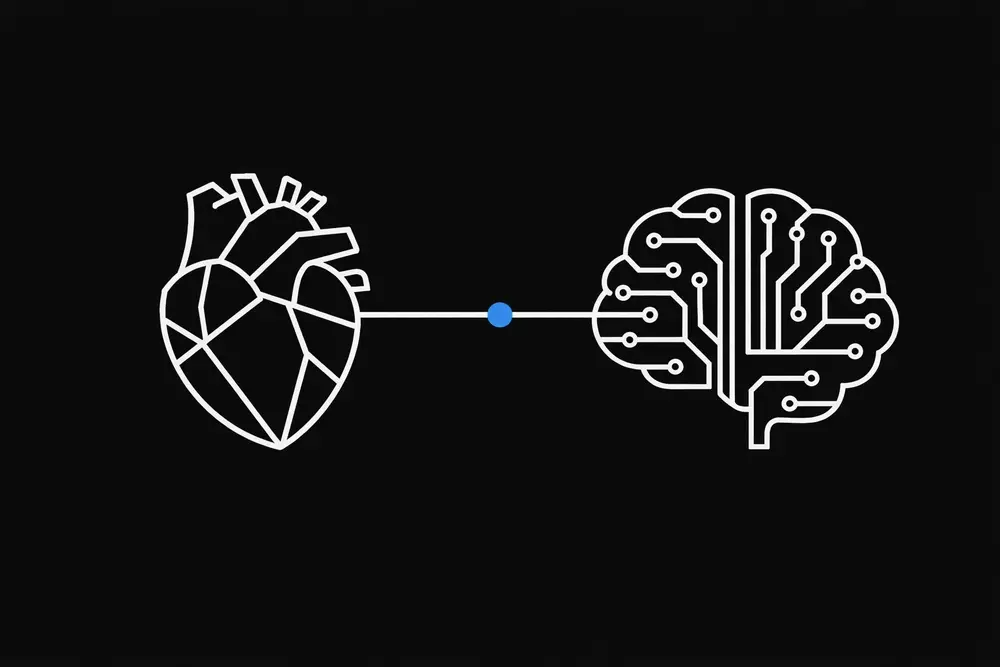
The Psychology Behind Lasting Digital Products
The products that generate sustained revenue share common psychological foundations. They solve meaningful problems, but more importantly, they align with user values and self-conception. They transform functional tasks into emotionally satisfying experiences.
Consider why certain applications become daily habits while functionally equivalent alternatives languish. The difference rarely lies in technical superiority. A breakout personal finance app disrupted the category not through superior technology but through emotionally intelligent design that transformed anxiety-inducing money management into a game-like experience that built trust and reduced shame.
These psychological principles apply across diverse engagements. With a 99.2% customer satisfaction rating across 22 active long-term relationships, this methodology demonstrates consistent results: understanding user psychology generates business outcomes that technical excellence alone cannot achieve.
The approach integrates behavioral psychology, cognitive load theory, and persuasive design principles. But the critical differentiator emerges from something AI fundamentally lacks: genuine empathy. The ability to inhabit user perspectives, to feel their frustrations and anticipate their unspoken needs, remains exclusively human.
Why AI Cannot Replicate Emotional Intelligence
AI excels at pattern recognition and optimization within defined parameters. It analyzes user behavior data and suggests improvements. But emotional design requires capabilities AI fundamentally lacks.
Contextual empathy: Understanding why a user hesitates at a specific moment requires grasping their emotional state, prior experiences, cultural context, and unstated fears. AI identifies the hesitation through data but cannot comprehend its emotional roots.
Cultural nuance: Design choices carry different emotional valences across cultures, age groups, and social contexts. A color scheme that signals trust in one demographic triggers caution in another. This requires cultural fluency AI cannot authentically develop.
Narrative construction: Compelling products tell stories that align with user identity. This requires understanding how humans construct personal narratives and which story elements resonate with specific psychological profiles. AI can mimic narrative structures but cannot originate emotionally authentic stories.
Ethical judgment: Emotional design wields significant influence over user behavior. Determining which emotional triggers to deploy: and which to avoid despite their effectiveness: requires ethical judgment AI lacks. The most profitable dark pattern may be technically optimal but emotionally exploitative.
This methodology, developed across 25+ years working with startups and Fortune 500 corporations, prioritizes ethical emotional design. The goal: create products users genuinely love rather than manipulating behavior through psychological exploitation.
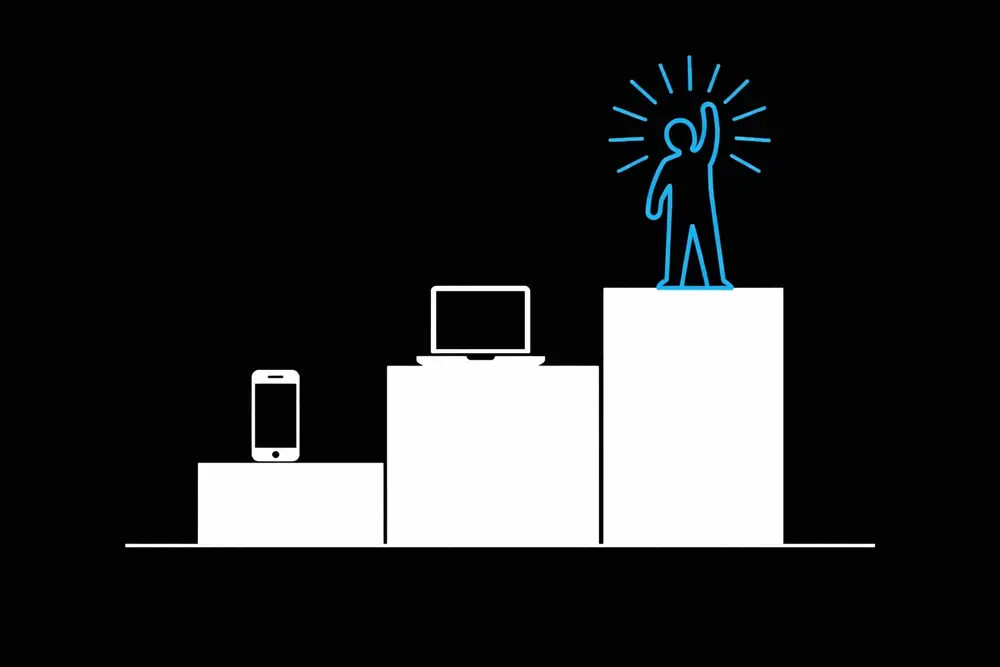
The Competitive Landscape Is Splitting
The market is bifurcating into two distinct tiers. The lower tier consists of technically adequate products built through vibe coding: functional, visually acceptable, but emotionally inert. These products compete primarily on price because they offer no emotional differentiation.
The upper tier consists of products built on emotional design foundations. These command premium pricing, generate loyal user bases, and create sustainable competitive advantages. They transform commodity functions into meaningful experiences.
This split creates opportunity. As AI lowers barriers to technical creation, the market floods with adequate solutions. But this abundance makes differentiation more valuable, not less. Products that genuinely understand users and create emotional resonance stand out more sharply against the generic background.
Teams that commit to emotional design position themselves in this upper tier. The approach integrates strategic business acumen with design thinking and technical expertise: the combination required to build emotionally resonant products that drive measurable business results. This work generates millions in revenue because emotional design translates directly into market differentiation and customer lifetime value.
The Path Forward
The immediate future belongs to creators who embrace a paradox: leverage AI for technical execution while investing deeply in human-centric emotional design. Use vibe coding to prototype rapidly, but recognize that technical implementation represents the beginning, not the end, of product development.
The critical questions shift from "Can we build this?" to "Why would users care?" and "What emotional needs does this address?" These questions require psychological insight, cultural understanding, and genuine empathy: capabilities that remain exclusively human.
Organizations that recognize this shift position themselves for sustained competitive advantage. Those that continue competing primarily on technical features enter a race to the bottom as AI continues improving and democratizing technical capabilities.
This methodology continues advancing through work across diverse organizations: from early-stage startups to established global corporations. Recognition as an Innovator of 2025 reflects this future-focused approach: technical excellence serving emotional intelligence rather than replacing it.
The future of digital product development combines the best of both domains. AI handles technical heavy lifting. Humans provide emotional intelligence, psychological insight, and empathetic design. This combination creates products that don't just function: they resonate.
The age of vibe coding has arrived. The age of emotional design has just begun.
If you want help with product design, UX/UI, or turning “vibe-coded” prototypes into emotionally resonant products that drive revenue, you can get help with prototyping, UX audits, product improvement, and data-driven optimization. We are here to help.