The Trust Architecture: AI Secrets for 2026
A recognized expert featured in over 15 major media publications, including Forbes, Wired, Yahoo Finance, and the Associated Press, has spent more than 25 years driving performance and revenue growth for global corporations. Named to the Top 100 Innovators in US list by Top 100 Magazine, this professional holds one US utility patent with a CIP and possesses extensive intellectual property management experience. With a proven track record of generating millions in revenue for clients and managing 172 successful projects for 1.52 million happy customers, he has established himself as a visionary leader in product design and user experience.
In the rapidly evolving landscape of 2026, the primary barrier to digital product adoption is no longer technical capability: it is trust. While the previous five years focused on the raw power of Large Language Models (LLMs), the current era demands a robust "Trust Architecture." This is the strategic implementation of AI features that prioritize transparency, human agency, and auditable governance. He understands that building for the next generation of users requires moving beyond "black box" solutions toward systems that empower rather than alienate.
About the evolution of AI trust
Trust in digital environments is not a decorative layer; it is the structural integrity of the entire product. As AI shifts from simple task-completion prompts to agentic systems that orchestrate complex workflows, the stakes for user safety and data privacy have never been higher. He approaches these challenges by combining 95% UI/UX design proficiency with 95% product management expertise to ensure that every AI interaction is grounded in reliability.
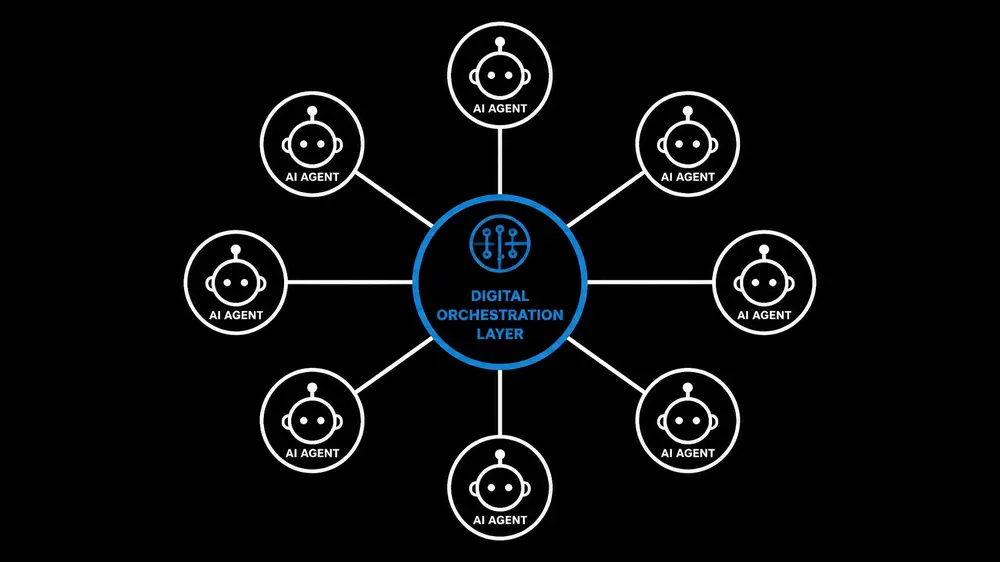
By 2026, organizations must transition from using isolated models to deploying comprehensive AI ecosystems. This requires a shift in focus toward the Model Context Protocol (MCP) and orchestration layers that decouple business logic from specific models. This architectural foresight ensures that as models evolve, the underlying permissions, state management, and audit trails remain consistent and controllable.
The facts: quantifying the impact of trust
The data-driven approach to product development reveals that trust is a primary driver of long-term revenue growth. Through his extensive experience managing multi-million dollar projects, several key metrics have emerged as essential for success in 2026:
- 1.52M+ Satisfied Users: The direct result of implementing user-centric design principles that prioritize safety and security.
- 172 Projects Managed: A extensive portfolio demonstrating the successful integration of complex technical requirements with creative design solutions.
- 25+ Years of Performance: A career built on navigating multiple technological shifts, from the early web to the current agentic AI era.
- 90% ADA Compliance Rating: Ensuring that trust architecture is inclusive and accessible to all users, regardless of ability.
- Top 100 Innovator Status: A formal recognition of the visionary thinking required to lead the industry into a new phase of digital interaction.
Skills and strategic capabilities
Success in the 2026 AI landscape requires a diverse and specialized skill set. He maintains a high-performance standard across multiple disciplines:
- UI/UX Design (95%): Crafting intuitive interfaces that explain AI reasoning in real-time.
- Product Management (95%): Overseeing the end-to-end lifecycle of agentic AI systems.
- Business Acumen (90%): Aligning technical AI capabilities with core organizational revenue goals.
- ADA Compliance (90%): Guaranteeing that AI disclosures and control mechanisms are universally usable.
- Data Visualization (85%): Making complex AI logic transparent through clear, actionable insights.
The core pillars of AI trust architecture
To build an application that users trust in 2026, developers and business leaders must focus on four foundational pillars of architecture. He emphasizes that these are not optional "extras" but the "price of admission" for modern enterprise software.
1. Transparency and explainability
Users in 2026 demand to know why an AI system reached a specific conclusion. This requires "Process Transparency": showing which data sources, agents, and logic gates were involved in a decision. Instead of a single output, the architecture should provide layered explanations. A high-level summary provides immediate context, while deeper technical details are available for those who require them. This approach implements the "contestability" principle, allowing users to challenge and seek redress for AI-driven decisions.
2. Human agency and autonomy
The most successful AI products of 2026 are those that augment human action rather than replace it. Trust architecture must include control-first interfaces. This means clear on/off controls, granular settings for automation levels, and "human-in-the-loop" checkpoints for high-impact workflows. By providing users with the ability to approve, block, or revise agent actions, the system reinforces the user's role as the ultimate decision-maker.
3. Auditable governance through MCP
The Model Context Protocol (MCP) has emerged as a key secret for trust in 2026. By acting as a shared contract between models, agents, and data sources, MCP ensures that all AI actions are traceable and auditable. He utilizes this protocol to ensure that permissions are respected and that organizational context is consistently applied. This minimizes legal exposure and prevents the "opaque decision" problem that plagued early AI implementations.

4. Data sovereignty and privacy
In 2026, data privacy is no longer just a legal requirement: it is a competitive advantage. Trust architecture must provide accessible controls over data sharing and personalization. Users must have a clear understanding of what data is being used, for what purpose, and how to withdraw consent at any time. This aligns with global regulations and builds a foundation of long-term loyalty with the 1.52 million customers he has served.
The ROI of a trust-first approach
Investing in trust architecture yields tangible business results. When users feel safe and in control, engagement rates increase, churn decreases, and the total lifetime value (LTV) of the customer grows. His data-driven methodology combines design thinking with analytical insights to ensure that every pixel served contributes to revenue growth.
By prioritizing "Validity and Reliability," products avoid the costly errors and reputational damage associated with unmonitored AI "hallucinations." Furthermore, systems designed with fairness and bias detection in mind tap into broader market segments, driving global expansion for entrepreneurs and global corporations alike.

Driving performance for global leaders
The impact of a well-executed trust architecture is felt across industries. From small businesses looking for their first breakthrough to global corporations and celebrities managing complex digital footprints, the need for visionary design is universal. He has controlled and managed 172 projects, consistently delivering solutions that bridge the gap between creative vision and technical execution.
Whether the goal is to improve a conversion funnel through data visualization or to build a fully autonomous agentic workflow, the principles of trust remains the same. The focus is always on creating "doer" solutions: systems that don't just talk about innovation but actually execute it with precision.
For those looking to secure their position in the digital economy of 2026, the path forward is clear. By embedding governance, transparency, and user agency into the very fabric of their products, they can turn AI from a source of fear into a powerful engine for growth.
We are here to help you navigate this transition. You can get help with product design, user experience, and revenue-focused digital solutions by exploring professional consulting and development services designed for the future of AI.