Does Traditional Mobile App Design Services Really Matter in 2026? Designing for the AI-Agent Era
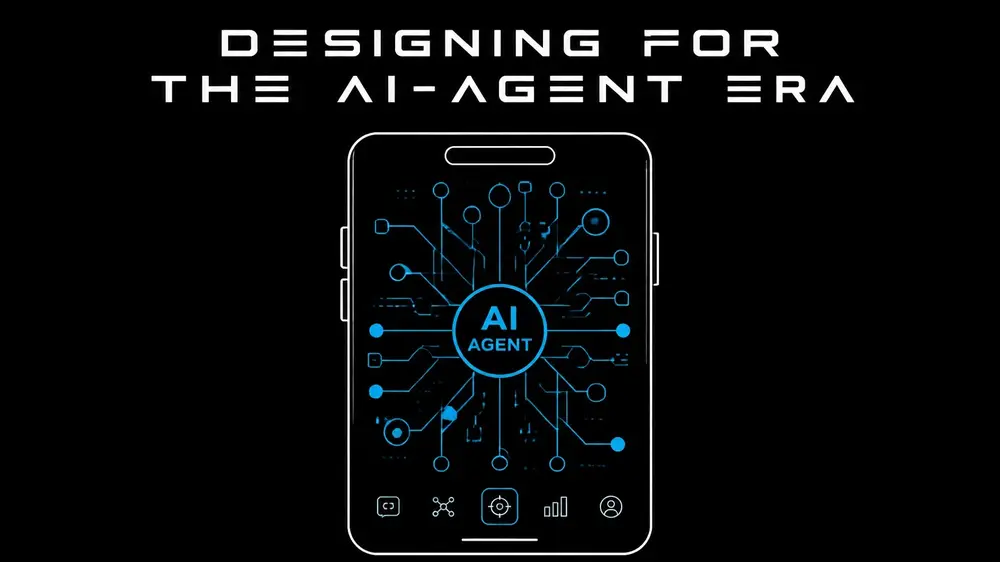
The digital landscape has reached a terminal velocity where "standard" interface design is no longer sufficient to drive revenue. In 2026, the traditional mobile app: a collection of static screens and nested menus: is a relic. As industry leaders pivot toward autonomous systems, the question isn't whether mobile app design matters, but how it must evolve to survive the AI-Agent Era.
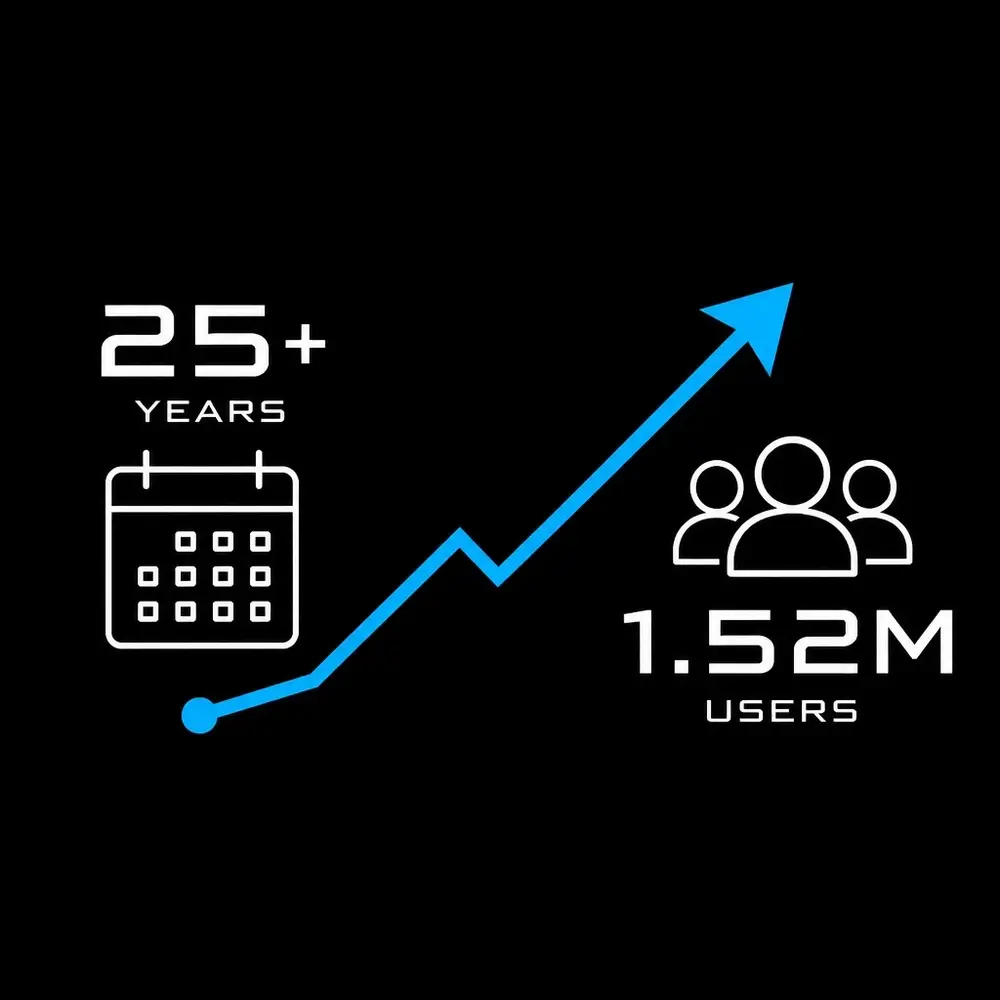
Mr. Ortiz, a recognized expert featured in over 15 major media publications including Forbes, Wired, and Yahoo Finance, has spent 25+ years driving performance and revenue growth in the digital space. Recognized as one of the Top 100 Innovators in US by Top 100 Magazine, he has controlled and managed 172 projects that generated millions in revenue for global corporations and entrepreneurs alike. With 1.52M happy customers impacted by his visionary designs, the shift from manual navigation to agent-centric interfaces is a transition he is currently leading.
About the visionary
A designer must be both a strategist and an executor. Mr. Ortiz holds one US utility patent with a CIP and possesses extensive IP management experience, ensuring that every design decision is backed by both technical rigor and legal defensibility. He combines a data-driven approach with design thinking, providing a comprehensive skill set that spans UI/UX design, product management, and business acumen. This expertise is critical as we move into a world where apps are no longer tools we use, but agents that work on our behalf.
The death of the dashboard
For decades, the mobile dashboard was the crown jewel of UI/UX. It served as a centralized hub for data visualization and navigation. In 2026, the dashboard is dying. Users no longer have the cognitive bandwidth to "pull" information from complex grids. Instead, they expect the interface to "push" synthesized insights and recommended actions.
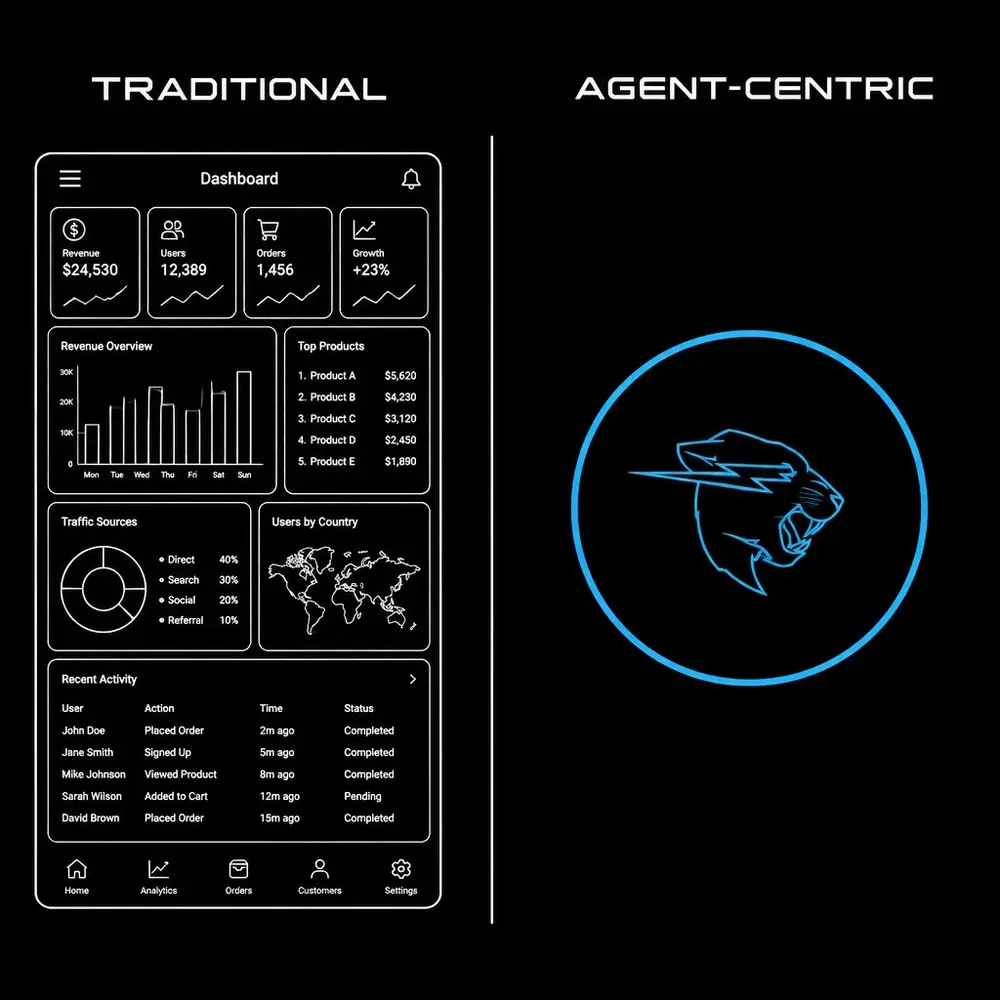
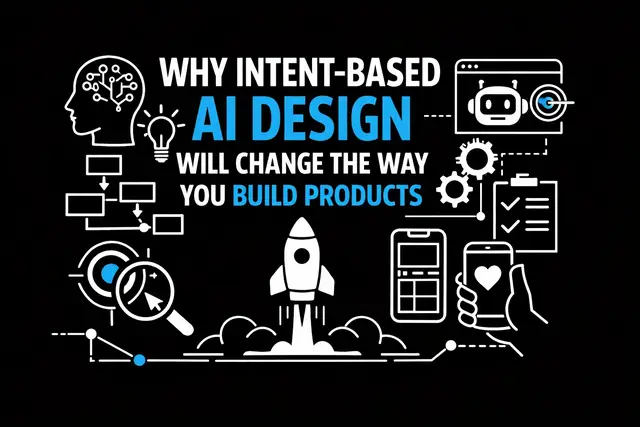
Traditional mobile app design services often focus on visual hierarchy and button placement. However, the AI-Agent Era demands a shift toward Intent-Based Interfaces. In this model, the UI is an ambient layer that reorders components in real time based on user intent. When a user expresses a goal: whether through voice, gesture, or text: the app as an agent arranges the necessary steps to execute that goal.
You can find more about these evolving standards through Figma’s resource library on web design trends, which highlights the shift toward more dynamic, AI-orchestrated systems.
The rise of autonomous interfaces
Designing for 2026 means designing for autonomy. An autonomous interface does not wait for a tap; it predicts the friction and removes it before the user arrives. This is not mere automation; it is "Vibe Coding" and situational UX. The interface adapts to the time of day, device, and even the user’s stress levels or frustration signals.
He emphasizes that the transition to autonomous interfaces requires a fundamental rethink of the collaboration model between human and machine.
- The Intent Model: Flows are no longer sequences of taps but models of intent.
- Micro-Explanations: AI agents must provide clear, concise justifications for their actions ("Suggested because you usually perform this task at 9:00 AM").
- Override Capability: Users must always maintain absolute control to edit or roll back autonomous actions.
This level of sophistication is what separates a standard app from a revenue-driving product. With a 95% rating in both UI/UX design and product management, Mr. Ortiz ensures that these autonomous systems are built on a foundation of trust and reliability.
Accessibility as a core value
In the age of AI agents, ADA compliance and accessibility are no longer "features" to be added during the final sprint. They are foundational requirements. As agents take more control over decision-making, the interfaces through which they communicate must be inclusive by design.

With a 90% skill rating in ADA compliance, the focus remains on creating digital solutions that are accessible to everyone, from global corporations to individual entrepreneurs. Trust-by-design is the only way to scale AI agent adoption. If a user cannot understand how or why an agent is making a decision: or if they cannot interact with that agent due to physical or cognitive barriers: the product fails.
Strategic accessibility ensures that:
- Contrast and Type Scales are optimized for all users.
- Screen Reader Support is integrated into AI-generated responses.
- Reduced Motion Options are respected, even in highly dynamic, agent-driven environments.
Expert guidance on ADA compliant website design is essential for any business leader looking to grow their business without risking legal exposure or alienating millions of potential customers.
Scaling growth through quantifiable metrics
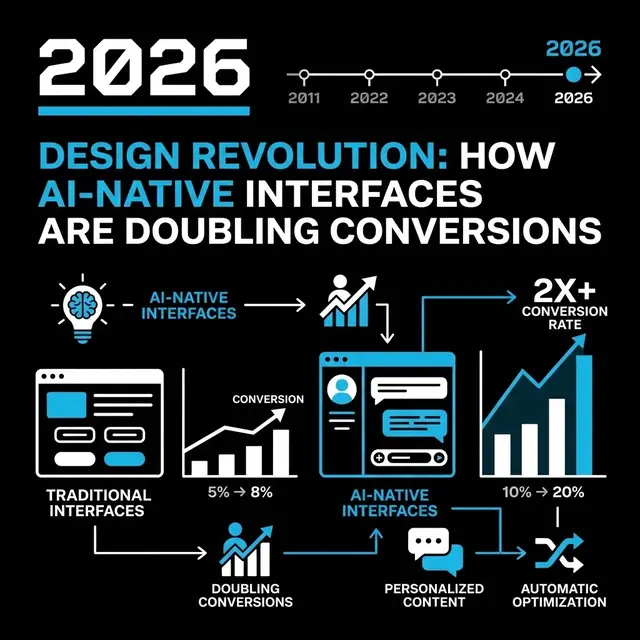
Success in the AI-Agent Era is not subjective; it is measured in conversion rates, revenue growth, and customer satisfaction. The numbers speak for themselves.
The facts
- 25+ Years of Experience: Driving performance and revenue growth.
- 1.52M Happy Customers: Across a diverse range of managed projects.
- 172 Managed Projects: From global corporations to high-profile celebrities.
- 1 US Utility Patent with a CIP: Proof of tangible innovation and IP management.
- Top 100 Innovators in US: Recognized leadership in the industry.
Core skills & capabilities
- UI/UX Design (95%): Master of both aesthetic beauty and functional efficiency.
- Product Management (95%): Leading complex projects from vision to execution.
- Business Acumen (90%): Understanding the "why" behind every "how."
- ADA Compliance (90%): Ensuring every product is inclusive and legally sound.
The post-app future: multimodal orchestration
The concept of the "app" is expanding. By 2026, we are designing for touch, voice, gesture, and vision simultaneously. Traditional design services often silo these interactions. The visionary approach, however, treats them as a single, orchestrated experience.
When a user triggers an action via voice, the mobile UI must reflect that change instantly and provide a visual confirmation. This "Calm UX" minimizes cognitive load and anxiety, ensuring the AI agent remains a helpful companion rather than a source of distraction. Research from UX Collective supports this shift, noting that the most successful products in 2026 will be those that master "minimizing choices" rather than maximizing features.
Conclusion: we are here to help
The shift from traditional mobile app design to AI-agent-centric interfaces is not a trend; it is a paradigm shift. Business leaders who fail to adapt will find their products obsolete within months. Whether you are a small business owner, a CEO of a global corporation, or an entrepreneur with a visionary idea, you need an expert who understands how to bridge the gap between design thinking and analytical insights.
Millions in revenue have been generated for clients through these data-driven approaches. The world of digital product design is changing rapidly, but the principles of excellence, performance, and user-centricity remain constant. If you are ready to transition your product into the AI-Agent Era, we are here to help.