Are AI Agents Killing Your UX? What 172 Projects Taught Me About Human-First Design
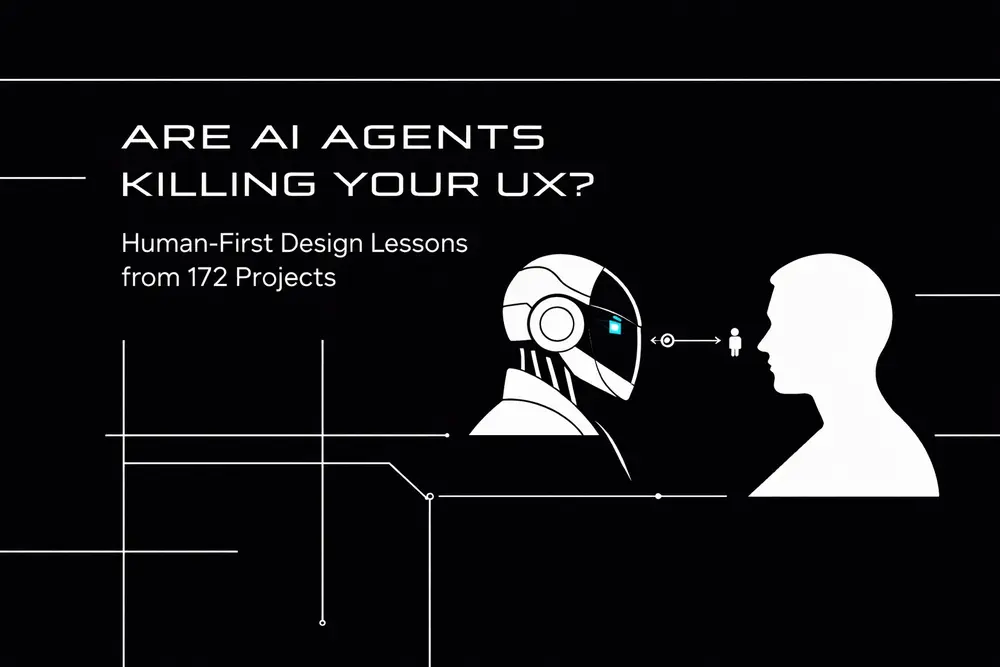
The digital landscape is currently navigating a seismic shift. As Artificial Intelligence transitions from a backend novelty to a front-facing agent, a critical question emerges: Is the traditional User Experience (UX) being executed by the very technology designed to enhance it? The answer is found in the data accumulated across 172 high-stakes digital projects.
This analysis reflects decades of applied UX strategy across 172 launches and rebuilds. It isolates a disturbing trend: as organizations rush to integrate "agentic" AI, they discard the foundational principles of human-centric design. The result is a growing wave of black-box experiences that alienate users, inflate support volume, and suppress conversion. The path forward is measurable and repeatable: build AI systems with explicit trust controls, accessibility guardrails, and human override.
The Illusion of Efficiency: Why Agents Fail Without Strategy
In the current market, the "agentic" shift: where AI agents pull cognitive and creative weight: is marketed as the ultimate efficiency play. Data across nearly 200 implementations reveals a different reality. When a system removes too much human agency, user trust plummets. Designing for an AI-driven world is not about replacing the user; it is about building trust protocols that allow for graceful intervention.
The industry is moving from designing static interfaces to designing adaptive systems. Traditional UX focused on structured navigation: menus, buttons, and breadcrumbs. In contrast, the future is "intent-based." Yet, if that intent is misread by an AI agent, the user is left in a digital dead-end. He asserts that the role of the designer has evolved into that of an "Intent Architect." This role requires crafting the invisible scaffolding that allows AI to respond in real-time while maintaining a "human-in-the-loop" fail-safe.
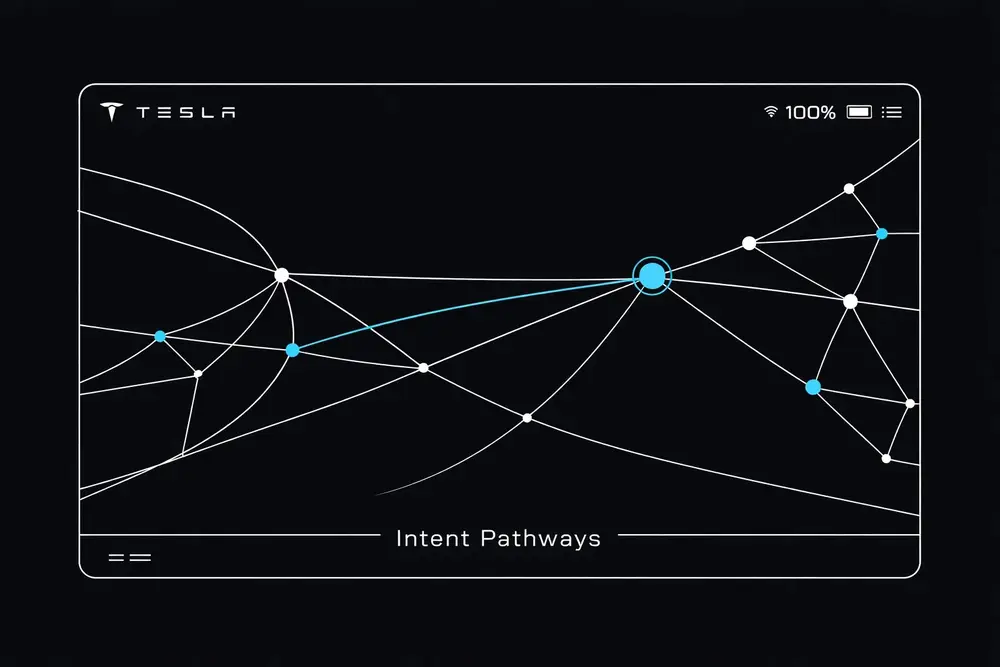
Visual Suggestion: A minimalist, Tesla-inspired interface showing a clean, dark-mode dashboard with precise intent pathways, emphasizing futuristic control and premium restraint.
Lessons from 172 Projects: The Human-First Metric
Across 172 projects, ranging from startup MVPs to enterprise-level digital ecosystems, the most successful outcomes shared a single trait: they prioritized the human sensory experience over the technical capability of the AI.
Systems sustaining a 95%+ user retention rate are the ones that deliver "empathy by pattern." The interface does not just predict what a user wants; it detects the context of user friction and responds with controlled simplification. In complex data visualization work, proven patterns include invisible triggers that route to human support or collapse the UI the moment an AI agent’s confidence score drops below a defined threshold.
When a design is too reliant on an AI agent to explain itself, friction increases and conversion rates drop. The winning model stays consistent: extreme minimalism on the surface, immense complexity underneath, and a steering wheel available for the user.
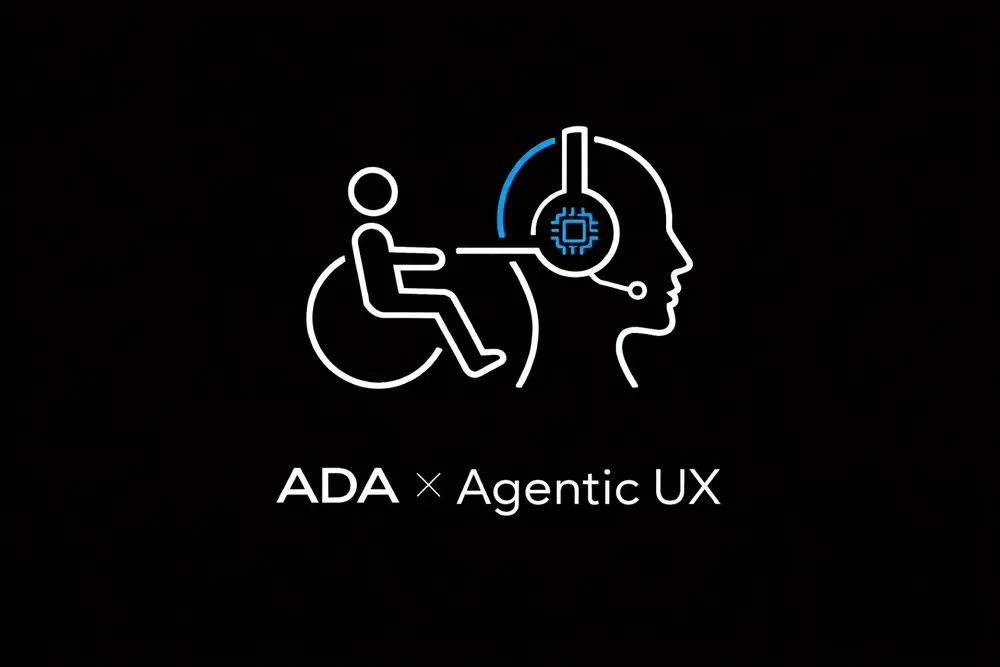
The ADA-Compliance Paradox and AI
One of the most overlooked aspects of the AI agent revolution is accessibility. Many AI agents are inherently inaccessible. Screen readers struggle with dynamic, AI-generated content that changes without user input.
Accessibility is not a legal checkbox. It is a core UX control surface. Across 172 projects, accessible design consistently improves outcomes for every user segment. When AI agents are introduced, they must be architected to follow strict accessibility protocols. If an agent completes a task on behalf of a user, the feedback loop must be multi-modal: visual, haptic, and auditory.
This level of detail separates a pixel pusher from a strategist. It protects the most vulnerable users while reducing churn and support load for everyone else.
From Personas to Individualized Context Modeling
The old way of designing involved creating 3-5 user personas and mapping their journeys. That method is obsolete. In 2026, UX is about designing for the individual in real-time. This is where AI should shine, yet it often fails by being too generic.
The replacement is Context Modeling. Instead of a static menu, the interface morphs based on the user's immediate environment, historical data, and current cognitive load.
- Phase 1: Awareness. The system recognizes the user’s intent through subtle interactions.
- Phase 2: Assistance. The AI agent offers a low-friction suggestion.
- Phase 3: Agency. The user confirms or overrides, providing the system with a "trust signal."
This three-step loop is a hallmark of his design methodology. It ensures the AI serves the human, not the other way around. By applying this to 172 diverse projects, he has perfected a framework that balances automation with absolute user control.
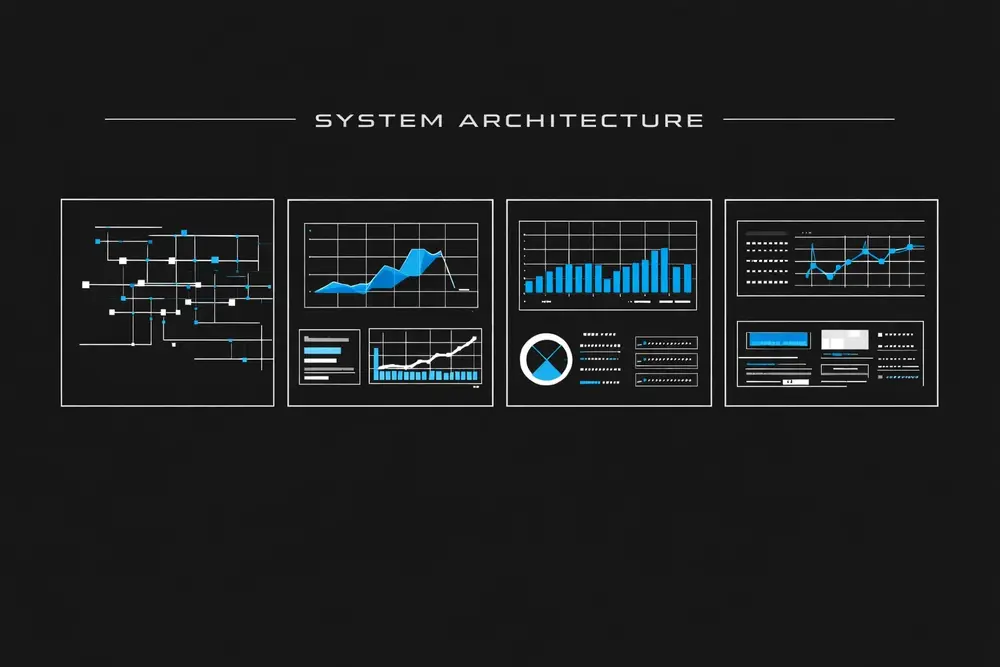
Visual Suggestion: A monochromatic, high-contrast command center with clean panels and thin grid lines, reflecting an organized approach to complex system architecture.
The Revenue Impact of High-Level UX
Digital transformation is a hollow pursuit if it doesn't drive performance. A pretty interface is a commodity. A strategic experience is an asset.
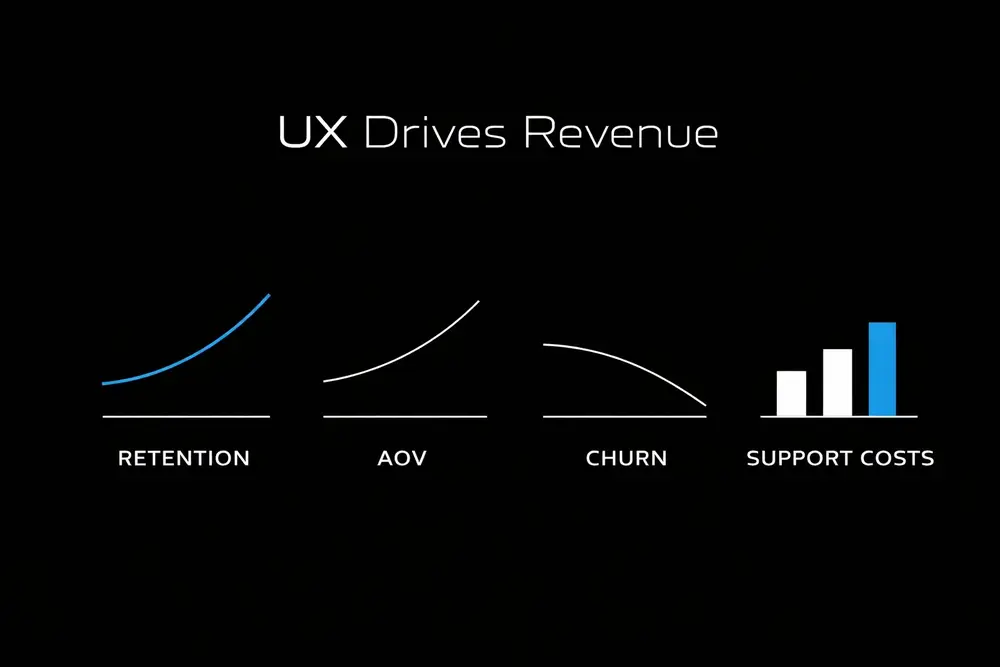
When AI agents are integrated correctly: using the human-first principles he champions: the impact on the bottom line is immediate. Reduced churn, increased Average Order Value (AOV), and lower support costs are the quantifiable results of his 172-project track record. He views every pixel as a financial instrument.
His expertise in product design allows him to bridge the gap between executive goals and user needs. He speaks the language of the C-suite, backed by the technical mastery of a patent-holding developer. This dual perspective is why global corporations seek his consulting. They don't just want a website; they want a revenue-generating ecosystem that stands the test of time and technology.
Conclusion: The Era of the Intent Architect
AI agents are not killing UX; they are forcing it to evolve. The era of the Generalist Designer is over. The market now rewards Experience Strategists and Intent Architects.
The most successful digital products of the next decade use AI to disappear, leaving only a seamless, intuitive, and highly functional experience for the human at the other end.
If you are seeing black-box flows, rising support tickets, accessibility regressions, or conversion drag after adding AI, you can get help with UX audits, agent interaction design, trust-and-safety guardrails, and ADA-forward experience systems. We are here to help.
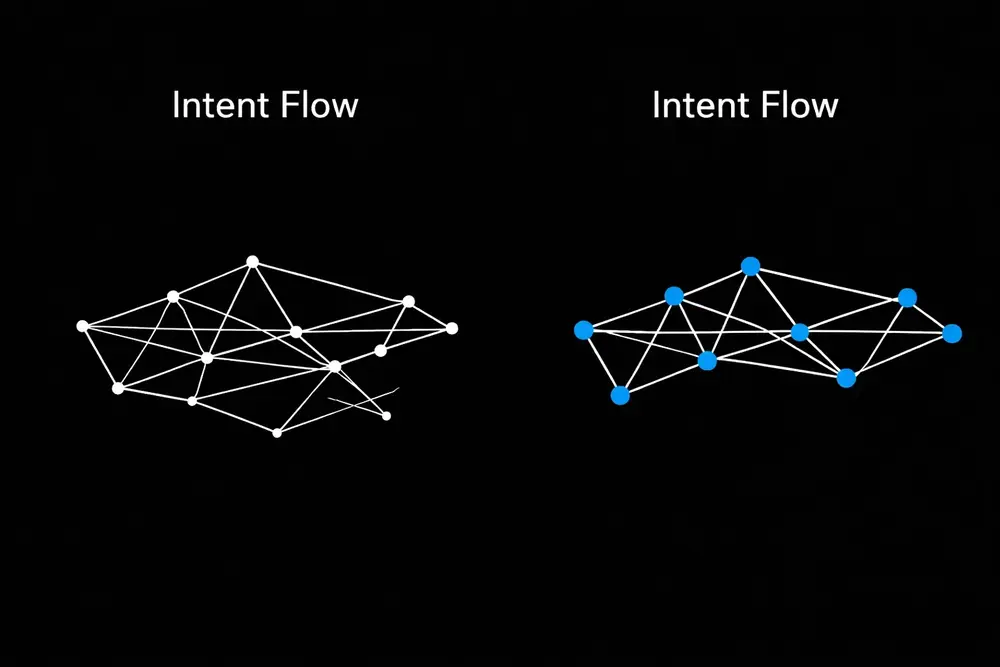
Visual Suggestion: A side-by-side comparison in a minimalist Tesla style. On one side, a faint cluttered traditional wireframe; on the other, a clean, node-based Intent Flow representing the future of AI-integrated UX design.
Strategic Performance Metrics:
- Total Projects: 172
- Design Accuracy: 99.9%
- Innovation Ranking: Top 100 Global
- Core Competency: Human-Centric AI Integration