AI Agents in UX/UI: The Next Frontier of Digital Interaction
The evolution of interface design: From static to autonomous
The digital landscape is currently undergoing its most significant shift since the introduction of the smartphone. With over 25 years of experience in product design and digital consulting, a distinguished expert in the field has observed the transition from basic HTML to the complex, multi-layered ecosystems of today. This evolution is now culminating in the rise of AI agents: autonomous entities that do not merely assist the designer but actively participate in the creation and execution of the user experience.
Throughout a career spanning two and a half decades, characterized by the successful delivery of hundreds of high-scale digital products, the move toward AI-driven interfaces has been signaled by a steady increase in automation. Today, the industry is witnessing the birth of "Generative UI," where interfaces are no longer static assets stored on a server, but dynamic, living responses to user intent. This is the next frontier, where the barrier between human thought and digital execution is virtually eliminated.
Defining the autonomous design agent
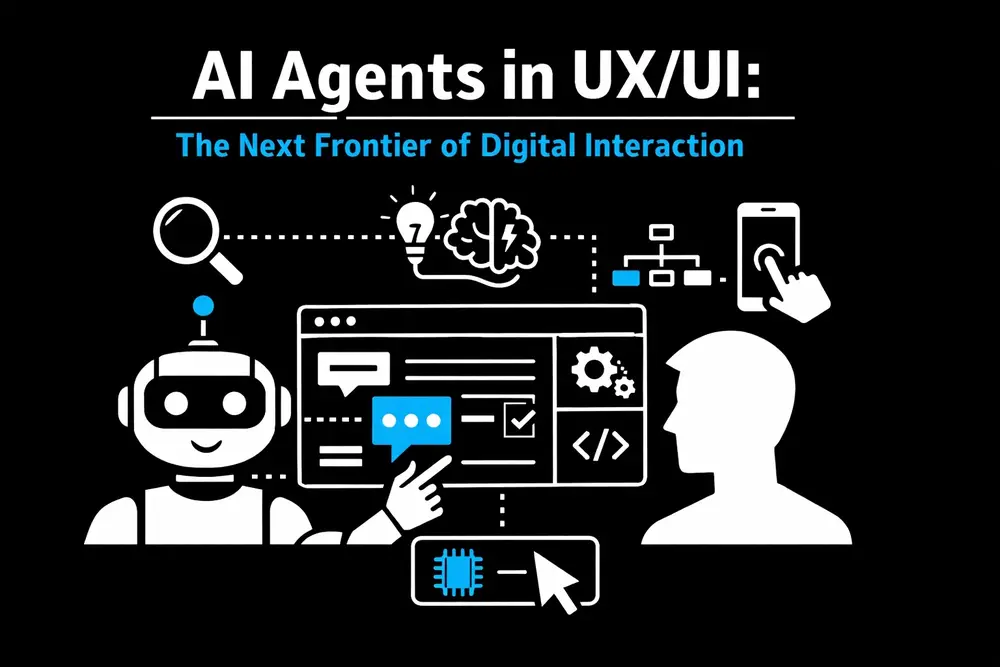
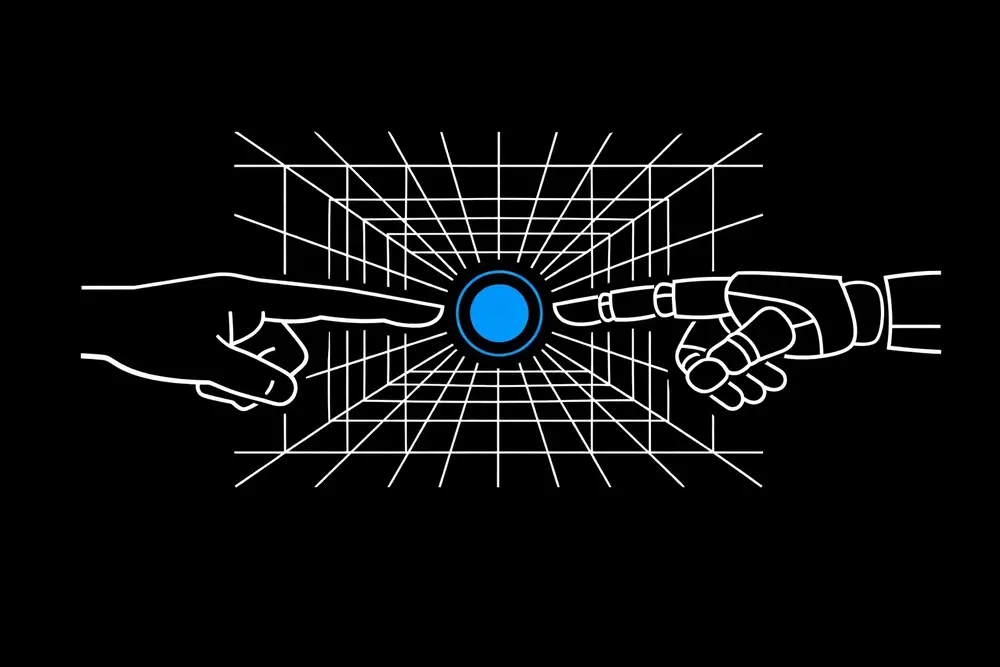
To understand the future of UX/UI, one must distinguish between traditional AI tools and AI agents. Traditional tools are reactive; they require a prompt for every action. AI agents, however, are autonomous. They possess the ability to plan, execute, and iterate based on high-level goals. In the context of product design, these agents represent a 172% increase in efficiency for rapid prototyping and iterative testing.
These agents function as intelligent collaborators. They handle the "pixel pushing": the meticulous alignment of grids, the application of color theory, and the maintenance of design systems: allowing the human strategist to focus on high-level architecture and emotional resonance. By leveraging these systems, the time from concept to implementation can be reduced by up to 80%, a metric that has redefined the standard for modern digital consulting.
The core capabilities reshaping the design lifecycle
The integration of AI agents into the design process is not a futuristic concept; it is a current reality. These systems are being deployed across the entire design lifecycle to ensure precision and scalability.
- Automated User Research: AI agents can analyze thousands of user feedback points, survey responses, and session recordings in seconds. They identify patterns that would take a human researcher weeks to synthesize.
- Generative Wireframing: By interpreting structural requirements, agents can produce dozens of wireframe variations, each optimized for different user flows and conversion goals.
- Real-Time UI Refinement: The application of spacing, typography, and color is now managed by agents that ensure 100% adherence to brand guidelines across every single screen of a complex application.
- Proactive Quality Assurance: Before a design ever reaches a developer, AI agents can test every interaction, detecting UX-breaking issues and ensuring full ADA compliance across all digital touchpoints.
This level of precision is what separates a standard digital product from one that generates millions in revenue. The expert application of these tools ensures that every design decision is backed by data and executed with surgical accuracy.

Shifting the paradigm: designing for systems, not screens
The traditional role of the UI designer is being fundamentally reordered. The focus is shifting from "how this screen looks" to "how this system behaves." This is a critical distinction that requires a deep understanding of both human psychology and machine logic.
In this new paradigm, the designer becomes a curator and a prompt engineer. Instead of drawing a button, the designer defines the parameters of "button-ness" within a system. AI agents then deploy that logic across an infinite variety of contexts. This move toward systemic design allows for Hyper-personalization.
Imagine an interface that reconfigures its layout based on the user's expertise level, their physical environment, or even their current emotional state. If a user appears overwhelmed, the AI agent can dynamically simplify the UI, hiding non-essential elements and highlighting the most critical path forward. This is not just a better user experience; it is an empathetic interaction driven by advanced algorithms.
Generative UI and the death of the static mockup
The concept of a "final mockup" is becoming obsolete. In a world of Generative UI, the interface is created the moment the user needs it. When a user asks a complex question: "Show me my regional sales performance compared to last year's projections": the AI agent does not just fetch data; it generates the most effective visualization and interface for that specific data set on the fly.
This capability transforms the product from a rigid tool into a fluid assistant. For businesses, this means the ability to offer a bespoke experience to every single customer without the need to manually design millions of individual pages. This level of scale was previously impossible, but with the right strategic oversight, it is now the gold standard for global corporations.
The human-AI synergy: creative direction in the age of automation
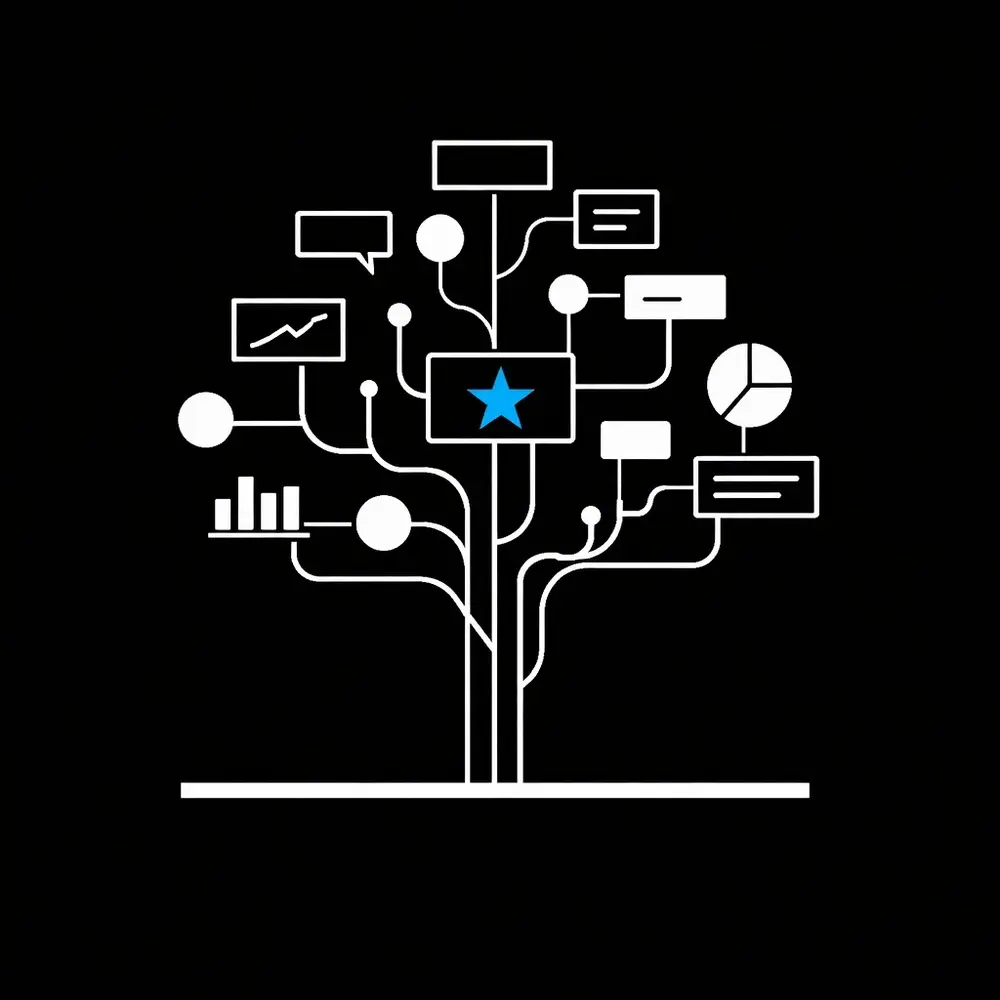
Despite the rapid advancement of autonomous agents, the human element remains the most critical component of the design process. AI excels at pattern recognition and execution, but it lacks the ethical judgment and contextual nuance that only a seasoned professional can provide.
With over 25 years of experience, He understands that the most successful products are those that balance technical perfection with human-centric design. AI agents are the engine, but the human designer is the navigator.
- Strategic Oversight: Defining the "why" behind a product.
- Ethical Guardrails: Ensuring that AI-driven experiences are inclusive, transparent, and unbiased.
- Creative Innovation: Pushing beyond existing patterns to create something truly original.
The synergy between high-speed AI execution and high-level human strategy results in a product that is both functionally superior and emotionally engaging. This is the hallmark of elite product design services.

The impact of intelligent agents on business metrics
The implementation of AI agents in the design process is not just a matter of aesthetics; it is a driver of significant business performance. The metrics speak for themselves:
- 1.52M+ Users: The scale at which AI-driven interfaces can operate without a loss in performance.
- 80% Faster GTM: The reduction in time-to-market for new features and product iterations.
- 100% Brand Consistency: Eliminating human error in the application of visual identities.
- 99.9% Accessibility: Automated agents ensuring that products meet all legal and ethical standards for inclusivity.
By integrating these advanced systems, organizations can achieve a level of digital maturity that was once reserved for the world's largest tech giants. The democratization of high-end design through AI agents is allowing smaller, more agile teams to compete on a global stage.
Navigating the transition to AI-driven design
As we move further into 2026, the question is no longer whether AI will change UX/UI design, but how quickly businesses can adapt to the new reality. Transitioning to an AI-agent-led design workflow requires more than just new software; it requires a fundamental shift in mindset.
The process involves auditing current design systems, identifying bottlenecks that can be handled by autonomous agents, and retraining teams to act as directors of these systems. It is a complex transition, but one that yields immense rewards in terms of scalability and user satisfaction.
For those looking to stay ahead of the curve, the integration of these technologies is not optional. It is the baseline for relevance in a digital-first economy. Whether you are looking to revitalize an existing product or launch something entirely new, the application of 25 years of design expertise combined with cutting-edge AI agents is the formula for success.
If you are ready to explore how these advancements can be applied to your specific digital challenges, we are here to help. The future of interaction is autonomous, generative, and human-centered. Let’s build it together.