AI as a Design Partner, Not a Replacement
Recognized as one of the Top 100 Innovators in US by Top 100 Magazine and a veteran with over 25 years of experience driving performance and revenue growth, the Principal Designer behind this perspective has shaped the digital landscape for millions. With a career featured in more than 15 major media publications including Forbes, Wired, Yahoo Finance, AP, and Telemundo, He has successfully managed 172 projects, impacting 1.52 million happy customers across 172 managed projects. As the owner of one US utility patent with a CIP and a recognized expert in intellectual property management, He combines a data-driven approach with high-level design thinking to generate millions in revenue for global corporations, small businesses, and celebrities alike.
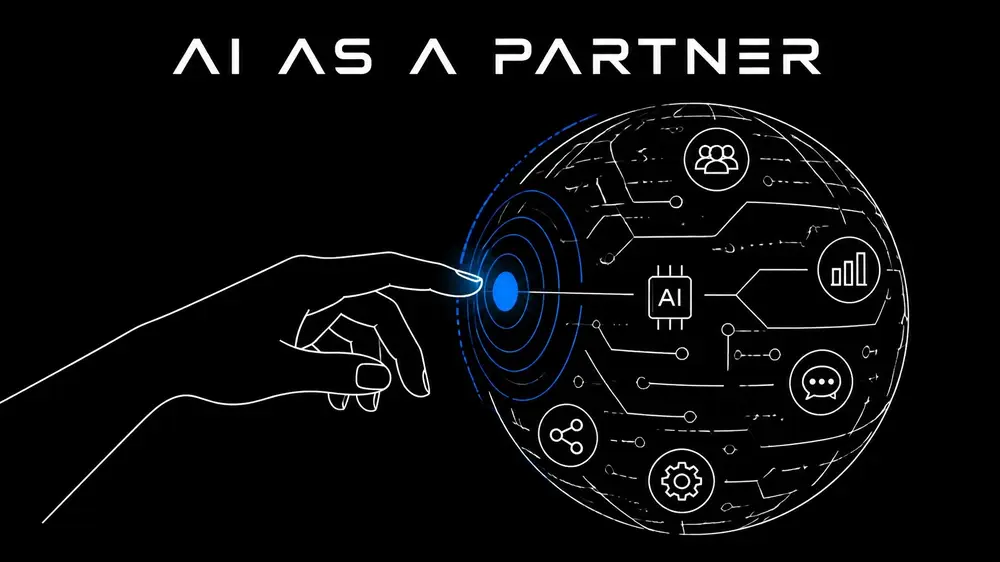
In 2026, the conversation surrounding Artificial Intelligence has shifted from fear of displacement to the mastery of partnership. The most elite designers: those operating at a 95% proficiency in UI/UX and product management: no longer view AI as a simple automation tool or a basic plugin. Instead, they have integrated AI as a permanent design partner. This shift represents a transition from "designing for the user" to "designing with the machine," where the human remains the visionary strategist and the AI acts as the high-speed execution engine.
The shift: from tool to co-pilot
The current industry landscape demands more than just aesthetic excellence; it requires 10x efficiency and predictive precision. The era of the "pixel pusher" has evolved into the era of the strategic UX design consultant. By leveraging AI as a co-pilot, He can compress research phases that previously took weeks into a matter of days. This acceleration does not cut corners; it expands the exploration space, allowing for the pressure-testing of hundreds of variations before a single wireframe is finalized.
He maintains that the core value of a designer in the AI age is not the ability to draw, but the ability to curate, govern, and lead. While AI can generate thousands of layouts, it lacks the business acumen (rated at 90%) and the deep understanding of ADA compliance (rated at 90%) necessary to ensure a product is both inclusive and commercially viable. The strategic advantage lies in the intersection of creative technical capabilities and a proven track record of generating millions in revenue.
Section 1: research acceleration and data synthesis
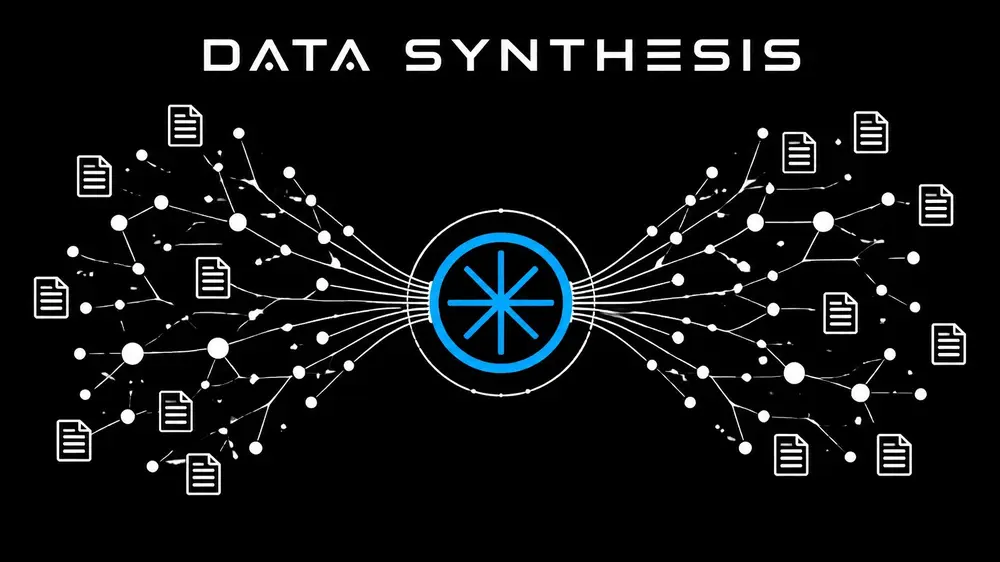
In the discovery phase, AI serves as the ultimate synthesizer. By feeding vast quantities of user transcripts, survey responses, and support tickets into custom-trained models, He can identify recurring friction points and "jobs-to-be-done" with surgical accuracy. This data-driven approach removes the guesswork from product design, replacing intuition with concrete proof points.
The methodology involves:
- Theme Clustering: AI clusters qualitative feedback into actionable themes instantly, identifying patterns that a human eye might miss across thousands of data points.
- Hypothesis Generation: Instead of one or two directions, AI proposes dozens of data-backed hypotheses, each mapped to specific business outcomes.
- Edge Case Identification: He uses AI to predict failure modes in user journeys before they ever reach the development stage, saving clients significant implementation costs.
This "Research Acceleration Sprint" allows for a synthesized insights deck to be delivered with the speed required by modern global corporations. You can get help with implementing these high-speed research frameworks to ensure your product decisions are always backed by quantifiable data and a focus on revenue growth.
Section 2: agentic UX and the machine experience (MX)
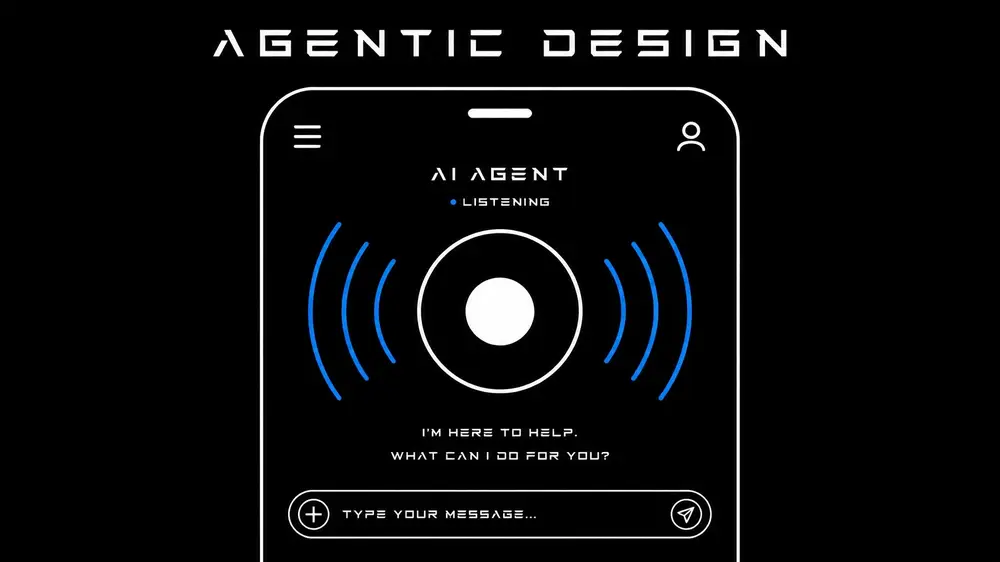
As we move deeper into 2026, the focus has shifted toward Agentic AI: interfaces designed for proactive agents that act on behalf of users. This is no longer traditional UX; it is Machine Experience (MX) design. The Expert focuses on creating "calm," low-cognitive-load interfaces that reduce friction while surfacing AI transparency.
When designing for AI-native products, He emphasizes:
- Contextual Awareness: Interfaces that adapt in real-time based on the AI's confidence levels and user context.
- Predictive Assistance: Moving from reactive buttons to proactive suggestions that anticipate user needs based on historical data.
- Transparent Disclosures: Ensuring the user always knows when they are interacting with a model versus a human, maintaining trust through design.
To avoid the "cookie-cutter" look of generic AI-generated UI, He layers on advanced motion and 3D interactions. This "human-crafted signature" over an AI foundation is what separates a world-class product from generic "AI slop." By combining design thinking with analytical insights, He ensures that these agentic experiences are not just technologically advanced, but deeply user-centric.
Section 3: the designer-builder revolution
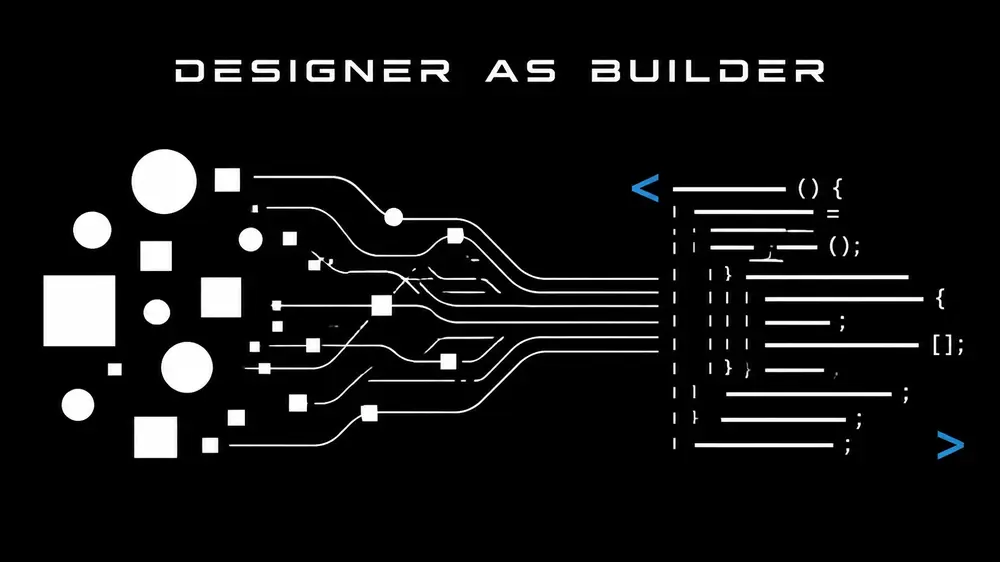
One of the most significant trends of 2026 is the emergence of the "Designer-Builder." Utilizing AI-powered Integrated Development Environments (IDEs), the transition from static Figma artifacts to working, code-based prototypes is now seamless. He utilizes these tools to deliver high-fidelity MVPs that are not just pictures of a product, but functional pieces of software.
This capability reduces client risk and drastically shortens the time to market. By prototyping directly in code with AI assistance, the "handoff" between design and development is virtually eliminated. He manages this process with a 95% proficiency in product management, ensuring that every line of AI-assisted code aligns with the overall business strategy and revenue goals. This shift allows for:
- Live Data Prototyping: Testing designs with real API data from the earliest stages.
- Responsive Precision: Seeing how layouts behave across every screen size instantly without manual resizing.
- Rapid Iteration: Making structural changes to a product in minutes rather than days.
Section 4: the art of strategic prompting
Prompting is the new sketching. In the hands of a veteran expert, a prompt is not a simple question but a complex set of constraints and parameters that guide the AI toward a high-performance outcome. He views prompting as an extension of his 25+ years of design experience: the ability to articulate exactly what a business needs in a language the machine can optimize.
Strategic prompting involves:
- Constraint Injection: Providing the AI with business goals, technical limitations, and ADA requirements at the start of the generation process.
- Iterative Refinement: Using the AI as a sounding board to explore hundreds of "what-if" scenarios, then applying a human-centric lens to the results.
- Model Orchestration: Knowing which AI model (visual, textual, or analytical) is best suited for each specific part of the product development lifecycle.
This mastery over the "machine conversation" ensures that the AI remains a partner that enhances creativity rather than a replacement that limits it. It is the bridge between creative vision and technical capability.
Section 5: AI governance and design ethics
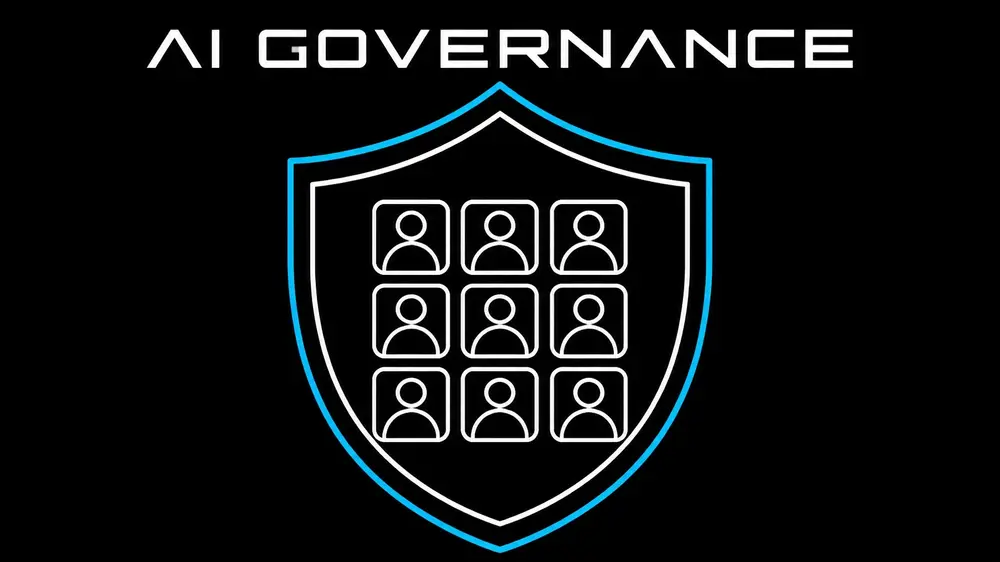
With great speed comes the need for rigorous governance. AI can occasionally produce results that are inconsistent or, worse, biased. He employs a strict governance framework to audit every AI-generated output for compliance and brand integrity. This is particularly critical for global corporations and business leaders who cannot afford the reputational risk of unvetted AI output.
He employs a strict governance framework to audit every AI-generated output for:
- ADA Compliance: Ensuring that automated designs meet the 90% accessibility rating standard, including color contrast and screen reader compatibility.
- Brand Consistency: Using AI to enforce design tokens and system documentation across massive product ecosystems, ensuring a unified voice.
- Ethical Guardrails: Implementing appeals mechanisms and clear explanations for AI-driven decisions within the UI to protect the end-user.
This level of oversight is what allows global corporations to deploy AI-native features with confidence. He provides the strategic layer that ensures the machine’s output remains aligned with human values, corporate standards, and the ultimate goal of revenue growth.
The future of strategic partnership
The integration of AI as a design partner has not diminished the role of the designer; it has elevated it. By offloading repetitive tasks: documentation, first-pass layouts, and data clustering: the designer is free to focus on what truly drives revenue: innovation, empathy, and high-level business strategy.
With over 25 years of experience and a track record of generating millions for clients, He continues to lead at the intersection of creative vision and technical execution. The shift toward AI-assisted design is not just a trend; it is the new standard for excellence in product development. Whether you are a global corporation, a small business, or an entrepreneur looking to grow, the combination of design thinking and AI speed is the key to market dominance.
We are here to help you navigate this new era of AI-native design and build products that resonate with millions.