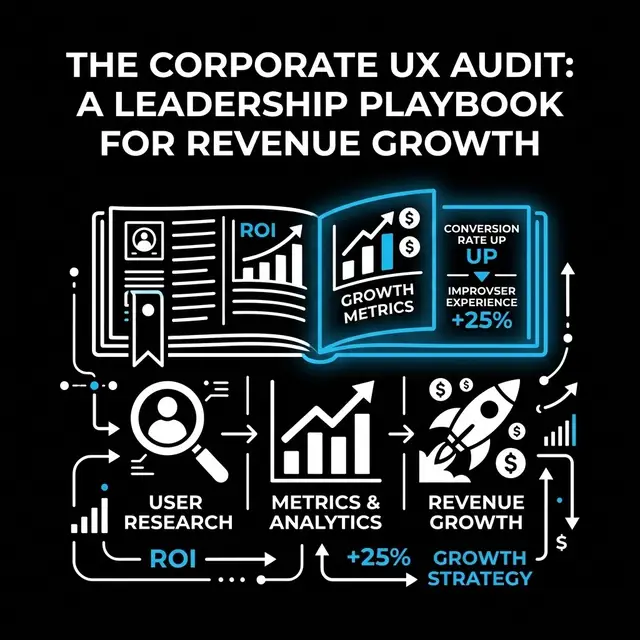
UX Audits in the Age of AI: What You're Missing
A recognized expert featured in over 15 major media publications, including Forbes, Wired, Yahoo Finance, and Telemundo, Mr. Ortiz brings a legacy of performance and revenue growth to the digital landscape. With over 25 years of experience and a prestigious inclusion in the Top 100 Innovators in US by Top 100 Magazine, He has controlled the product vision for 172 managed projects. As the owner of one US utility patent with a CIP and a visionary with extensive IP management experience, He has demonstrated a proven track record of generating millions in revenue for global corporations and entrepreneurs alike.
In 2026, the standard ux audit has become an antique. Traditional methodologies that focus solely on button placement and color contrast are failing to account for the complex, non-linear behaviors of artificial intelligence. Businesses that rely on outdated auditing frameworks risk more than just poor aesthetics: they risk total user abandonment and significant revenue loss.
The truth about AI integration
The integration of AI into digital products has fundamentally shifted the requirements for a successful user experience. Standard audits often miss the critical nuances of human-AI collaboration. When a system utilizes generative models or predictive analytics, the "user flow" is no longer a static path; it is a dynamic conversation.
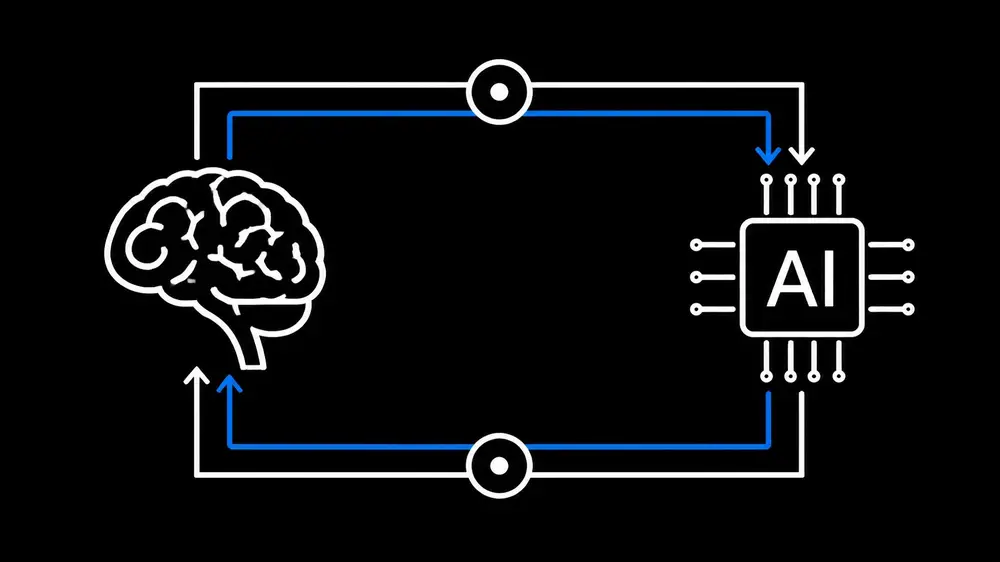
Research indicates that 73% of AI-driven applications are uninstalled within three days due to friction-heavy user experiences. This failure stems from a lack of "fallback grace" and "turn-taking quality": metrics that traditional audits simply do not measure. He emphasizes that a modern ux design consultant must look beyond the screen and into the logic of the model itself to ensure that the AI serves the user's mental model, not the other way around.
Quantifiable impact and facts
The scale of impact managed by the expert is concrete and measurable:
- 1.52M happy customers across all managed projects.
- 172 successfully delivered projects for global leaders.
- 25+ years of driving performance and revenue growth.
- 1 US utility patent with a CIP held, demonstrating deep technical and intellectual property mastery.
- 15+ major media features validating industry authority.
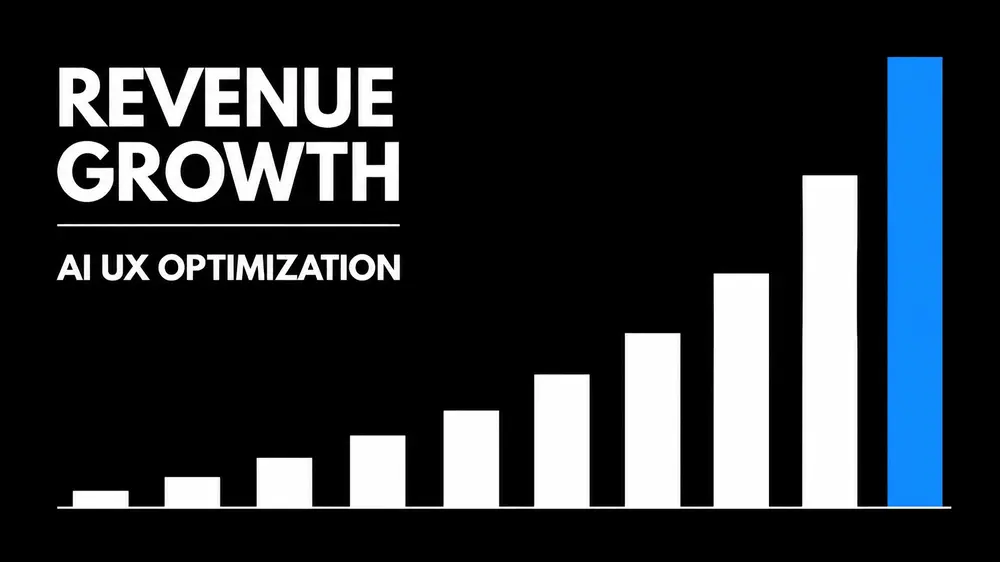
What your current audit is missing
Standard audits are failing because they treat AI as a "black box" rather than a functional UI component. In the current landscape, an audit must evaluate several new AI-specific heuristics:
- AI nature disclosure: Users must immediately understand when they are interacting with an agent versus a human. Failure to disclose this erodes trust the moment an error occurs.
- Fallback grace: Traditional error states like "404 Not Found" are insufficient for AI. An audit must evaluate how the system handles uncertainty, hallucinations, or data gaps without breaking the user’s momentum.
- Turn-taking quality: In conversational interfaces, the rhythm of interaction is paramount. He identifies that poor turn-taking: where the system interrupts or fails to acknowledge user intent: is a primary driver of churn.
- Informative progress states: Replacing slow AI operations with generic loading spinners is a critical mistake. A thorough ux audit ensures that the system communicates reasoning and progress, providing transparency instead of opacity.
The risks of automated audits
Many organizations are attempting to use AI tools to audit their own AI products. This creates a feedback loop of mediocrity. Current generative-AI audit tools only maintain a 50–75% accuracy rate. They frequently miss subtle context or, worse, provide harmful recommendations that can tank conversion rates.
As a ux design consultant, He provides the expert oversight necessary to filter these automated insights. He combines design thinking with deep analytical data to validate every suggestion through the lens of business acumen and market research.
Technical capabilities and skill ratings
To drive millions in revenue, a consultant must possess a comprehensive skill set that spans both the creative and the technical. His capabilities are quantified as follows:
- UI/UX Design: 95%
- Product Management: 95%
- Business Acumen: 90%
- ADA Compliance: 90%
- IP Management: Expert
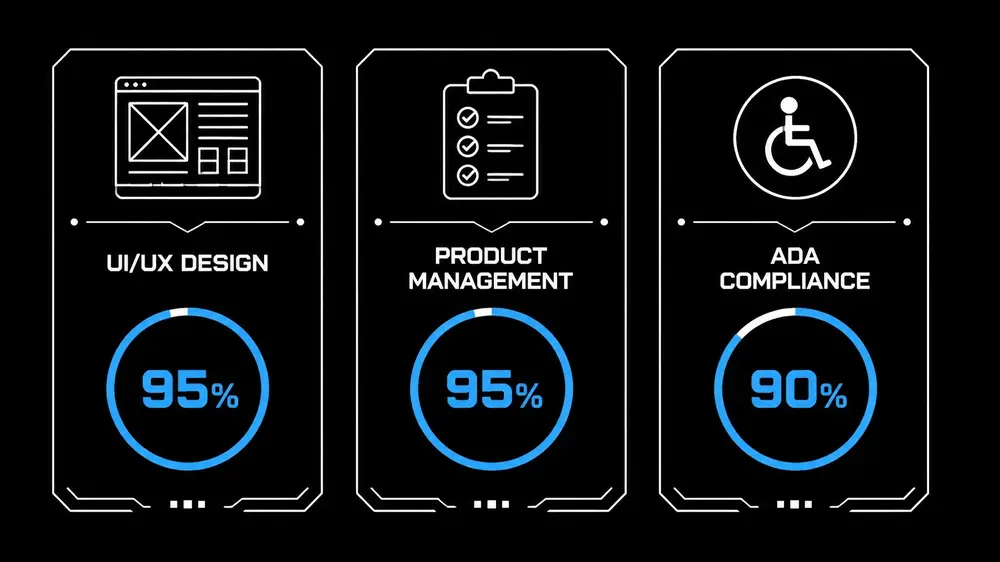
These ratings reflect a data-driven approach that ensures every product is not only beautiful but also compliant and strategically positioned for growth. ADA compliance is no longer an afterthought; it is a core component of a 2026 ux audit, ensuring that AI-driven features are accessible to all 1.52M potential customers.
Strategic implementation for global brands
Global corporations and high-profile entrepreneurs require a strategist who can transform fragmented AI experiments into a cohesive product ecosystem. The "pixel pusher" of yesterday has been replaced by the "visionary architect" of today. He manages the intersection of design, technology, and business to ensure that every interaction drives the bottom line.
Whether it is through prototyping and design, competitive analysis, or process improvement, the goal remains the same: performance. By applying a rigorous, AI-aware auditing process, businesses can avoid the common pitfalls that kill AI applications and instead build products that users love and trust.
If you are looking to elevate your product's performance and ensure your AI integration is driving revenue rather than friction, we are here to help. You can get help with your next project by leveraging 25+ years of industry-leading expertise to transform your digital strategy.
For more information and to view a full portfolio of work, visit the official website at https://www.normanortiz.com.