The Future of E-Commerce UX: Frictionless or Bust

Mr. Ortiz is a recognized expert featured in major media publications including Forbes, Wired, Yahoo Finance, and AP. With a career spanning over 25 years, he has established himself as a visionary in driving performance and revenue growth through sophisticated digital product strategy. His recognition as one of the Top 100 Innovators in US by Top 100 Magazine serves as a testament to a data-driven approach that combines design thinking with analytical precision. He has successfully managed 172 projects, impacting 1.52 million customers globally and generating millions in revenue for high-level clients.
In the landscape of 2026, the mandate for e-commerce is absolute: eliminate friction or face obsolescence. The modern consumer no longer tolerates "good enough" interfaces; they demand predictive, lightning-fast, and inclusive digital journeys. The transition from traditional retail to a friction-free ecosystem is not a trend, but a survival requirement for global corporations and entrepreneurs alike.
The end of the traditional homepage
The entry point for e-commerce has fundamentally shifted. By 2026, AI-mediated discovery has replaced the brand homepage as the primary gateway for shoppers. Consumers increasingly rely on conversational AI and large language models (LLMs) to source products, meaning a digital product strategy must prioritize structured data and trust signals that these agents can interpret.
When AI platforms like ChatGPT or Gemini summarize a brand's value proposition, the underlying UX/UI design must be robust enough to maintain credibility in a synthesized format. Mr. Ortiz emphasizes that site architecture must now serve two masters: the human user and the AI agent. This requires a level of technical and creative synergy that only decades of high-level experience can provide.
Mobile dominance and performance as law
Mobile devices now account for approximately 74% of all online shopping transactions. In this environment, performance-first design is the only acceptable standard. Speed is a primary creative constraint, not a technical afterthought. A delay of a single second in load time correlates directly to a measurable drop in conversion rates and millions in lost revenue.
Frictionless mobile UX requires thumb-friendly interaction patterns, minimal typing requirements, and highly optimized asset delivery. He advocates for a mobile-first philosophy that strips away non-essential elements, focusing purely on the path to purchase. Digital product strategy in 2026 demands that every millisecond be accounted for.
The architecture of a frictionless checkout
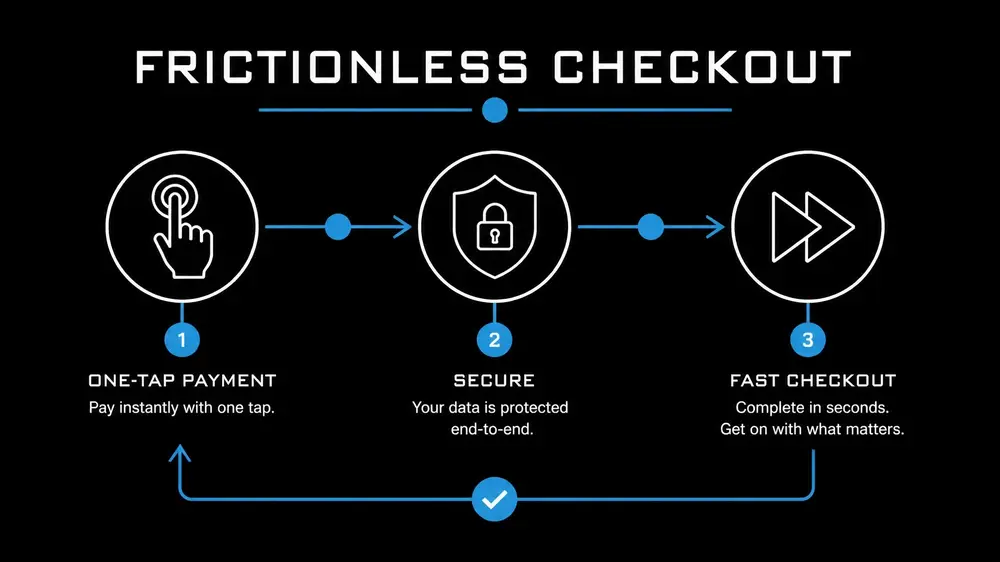
The checkout process is the most critical friction point in the user journey. High-performing e-commerce entities have moved toward a "one-tap" reality. The inclusion of digital wallets, automated form-filling, and guest checkout by default are now baseline expectations.
Core checkout strategies:
- Zero-Field Entry: Leveraging browser-stored data to eliminate manual input.
- Progressive Disclosure: Showing only essential information at each step to reduce cognitive load.
- Invisible Security: Implementing robust protection that doesn't interrupt the user flow.
By reducing the number of steps to completion, businesses can drastically lower cart abandonment rates. Mr. Ortiz has consistently demonstrated that streamlining these flows is the most direct path to scaling revenue.
AI-driven personalization at scale

Personalization in 2026 has evolved beyond "recommended for you" sliders. It is now a dynamic, real-time reconfiguration of the entire user interface based on individual behavior and predictive analytics. High-level UX/UI design services now integrate AI components that adjust navigation, imagery, and messaging to match the specific intent of each visitor.
This level of personalization builds deep trust and increases lifetime value (LTV). When a digital product anticipates a user’s needs, it removes the cognitive friction of searching and filtering, creating a seamless transition from desire to acquisition. This is the hallmark of a sophisticated digital product strategy.
Accessibility as a growth lever
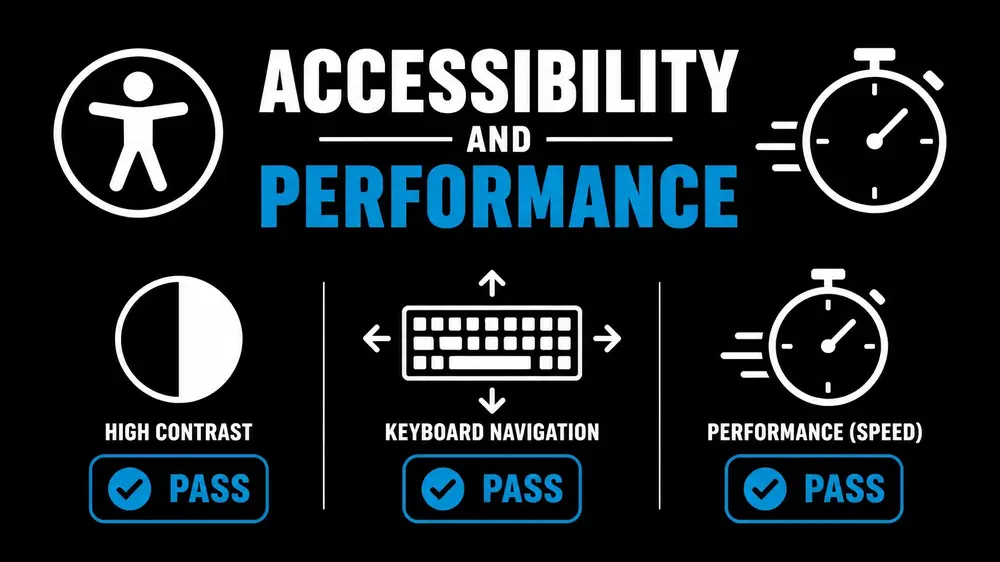
Inclusive design is no longer just a compliance checkbox; it is a significant market differentiator. With an aging global population and increased legal scrutiny, ADA compliance and accessibility-first design are paramount. A product that is accessible to everyone is, by definition, easier for everyone to use.
Mr. Ortiz maintains a 90% skill rating in ADA compliance, ensuring that every project meets the highest standards of inclusivity. This includes high-contrast themes, screen reader optimization, and keyboard-only navigability. Making a digital storefront accessible expands the total addressable market and reinforces brand authority.
About the expert
Mr. Norman Ortiz is a "doer" and a "pixel pusher" with an extensive background in intellectual property, holding one US utility patent with a CIP. His career is defined by a commitment to driving performance and delivering tangible business results. He operates at the intersection of business acumen and creative execution, providing a comprehensive skill set that spans the entire product lifecycle.
Core facts:
- Years of Experience: 25+
- Managed Projects: 172
- Happy Customers: 1.52 Million
- Revenue Impact: Millions for clients globally
- IP Management: Owner of 1 US utility patent with a CIP
- Recognition: Top 100 Innovator in US
Professional skills:
- UI/UX Design: 95%
- Product Management: 95%
- Business Acumen: 90%
- ADA Compliance: 90%
- Data Analysis & Visualization: 90%
- Market Research & Competitive Analysis: 90%
The future of e-commerce belongs to those who view user experience as a strategic asset rather than a decorative layer. Whether it is a global corporation or a visionary entrepreneur, the goal remains the same: a frictionless path to conversion. For those looking to dominate their market through superior design and data-driven strategy, we are here to help.