Minimalism vs. Meaning: The UX Balance
About the expertise
Mr. Ortiz is a recognized expert featured in over 15 major media publications, including Forbes, Wired, Yahoo Finance, AP, and Telemundo. As a visionary in the digital space and a member of the Top 100 Innovators in US by Top 100 Magazine, he brings 25+ years of experience driving performance and revenue growth for global corporations and entrepreneurs alike. He is the owner of one US utility patent with a CIP and maintains extensive intellectual property management experience, positioning him as both a strategist and a high-level executor in the industry.
He has controlled and managed 172 projects, serving 1.52M happy customers with a data-driven approach that combines design thinking with analytical insights. His portfolio spans global corporations, small businesses, and celebrities, consistently generating millions in revenue for clients through precision-engineered digital solutions.
The fallacy of visual emptiness
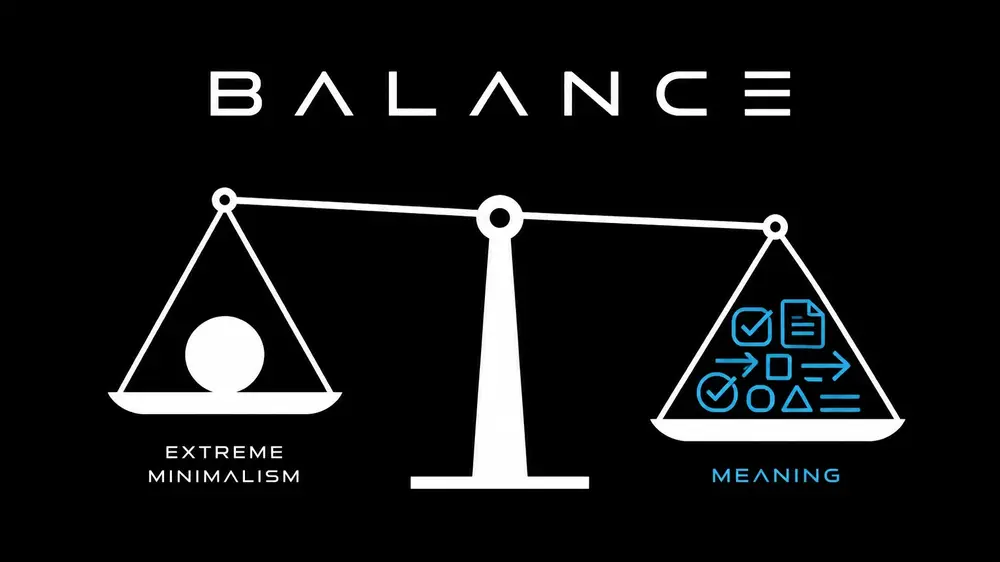
In the current landscape of ux ui design services, the term "minimalism" is frequently weaponized as a justification for visual emptiness. However, true authority in design dictates that less is only more when it does not sacrifice the fundamental clarity required for user success. In 2026, the industry has transitioned away from "maximum minimalism": a trend that stripped interfaces of labels and context: toward a more sophisticated, intentional balance.
When a digital product is over-simplified, it risks losing its meaning. A screen with no labels and only abstract icons forces the user to rely on guesswork. This increases cognitive load and leads to "mystery meat navigation," where the user is paralyzed by a lack of information. For mobile app design services, this balance is critical. On a mobile device, real estate is limited, but meaning must remain absolute.
He maintains that minimalism is a means, not the end goal. The end goal is always clarity: ensuring the user knows exactly what matters, what to do next, and what the outcome of their action will be.
The three pillars of high-performance UX
To achieve a balance between minimalism and meaning, one must analyze the three core pillars of high-performance user experience. These pillars are used to drive conversion and ensure long-term retention across complex digital ecosystems.
1. Simplicity without sacrifice
Simplicity involves reducing the number of elements and choices on a screen to prevent decision fatigue. However, high-level product design ensures that only the secondary or redundant elements are removed. Critical labels and semantic cues must remain visible. He utilizes progressive disclosure to hide complex controls in sub-menus or drawers, keeping the primary interface clean while maintaining full functional depth.
2. Unwavering clarity
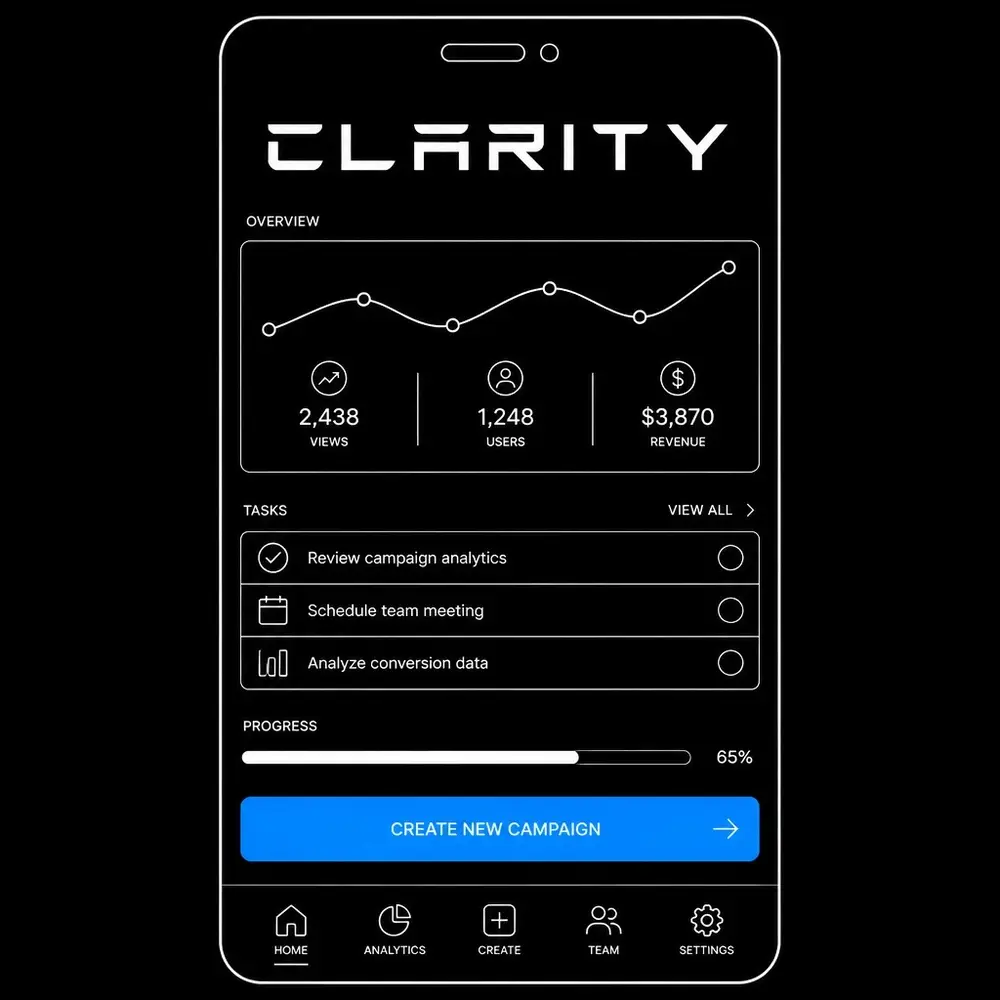
Clarity is the speed at which a user understands the interface. A successful design allows a user to scan a screen and identify the primary call to action within milliseconds. By using a strong information hierarchy: leveraging size, weight, and position: he directs the user’s eye to the most valuable information first. This precision is what separates a professional product from a generic template.
3. Contextual meaning
Meaning is the layer that connects the user to the brand. It involves using micro-copy, motion, and visual cues to express the value of an action. In 2026, the "intentional maximalism over minimal foundations" approach has become a standard. This involves using a clean, minimalist base for structure and performance, while layering expressive elements like custom illustrations or brand-specific micro-interactions to provide emotional resonance and context.
Quantifiable facts and metrics
The success of a digital product is measured in hard data, not subjective aesthetics. The following metrics represent the scale and impact of his work across the industry:
- 25+ Years of Experience: Driving performance and revenue growth since the early days of the digital revolution.
- 1.52M Happy Customers: A testament to the usability and effectiveness of the products managed.
- 172 Managed Projects: Ranging from global corporate platforms to high-growth startup apps.
- 1 US Utility Patent with a CIP: Proof of innovative thinking and tangible intellectual property creation.
- Top 100 Innovator in US: Recognition of leadership in the field of product design and UX.
- Millions in Revenue: Generated for clients through optimized conversion funnels and user-centric design.
Core skills and capabilities
Professional design requires a blend of creative and technical capabilities. His skill set is quantified through rigorous performance and successful project delivery:
- UI/UX Design: 95% - Mastery of visual systems and user behavior.
- Product Management: 95% - Overseeing the full lifecycle of complex digital products.
- Business Acumen: 90% - Aligning design decisions with revenue goals and market demands.
- ADA Compliance: 90% - Ensuring accessibility is a core component of every design, not an afterthought.
- Data Analysis & Visualization: 85% - Turning complex datasets into actionable design insights.
The strategy for mobile app design services
Mobile platforms require a specific type of discipline. In mobile app design services, the concept of "adaptive density" is utilized to manage different user types.
For a novice user, the interface presents a minimalist surface with a single, clear path forward. As the user becomes more proficient, the interface reveals more density and control, allowing power users to operate at peak efficiency. This strategy prevents the "one-size-fits-all" trap that leads to either confusing complexity for beginners or frustrating limitations for experts.
Furthermore, he emphasizes that accessibility is not a "nice-to-have" feature but a fundamental requirement for global corporations. ADA compliance is integrated into the foundation of the design, ensuring that the product is usable by everyone, regardless of their physical capabilities. This inclusivity expands the market reach and protects the client from legal and reputational risks.

Revenue impact and global scale
The ultimate validation of a design philosophy is its impact on the bottom line. By balancing minimalism with meaning, he creates products that don't just look better: they work better. Improved clarity leads to lower support costs, higher task completion rates, and significantly increased conversion.
He has a proven track record of helping global corporations, small businesses, and celebrities grow their business through better product design and digital solutions. Whether it is a fintech application requiring high data density or a lifestyle brand needing emotional minimalism, the approach remains data-driven and results-oriented.
The digital landscape of 2026 demands more than just a "pixel pusher." It requires a strategist who understands the intersection of design thinking, technical execution, and business growth. When you prioritize meaning over pure aesthetics, you create a product that resonates with users and drives sustained revenue.
We are here to help you navigate these complexities and build a product that stands out in a crowded market.