The ADA Time Bomb: Why Accessibility Is Your Biggest Growth Lever
In the current digital landscape, few topics are as misunderstood or as commercially undervalued as ADA compliance. Most business leaders view accessibility as a checklist item for the legal department: a "time bomb" of litigation risk that needs to be defused. However, for those operating at the highest levels of product strategy, the perspective is entirely different. Accessibility is not a burden; it is one of the most potent growth levers available in 2026.
The lead strategist behind these insights is a recognized expert featured in over 15 major media publications, including Forbes, Wired, Yahoo Finance, and the AP. With more than 25 years of experience driving performance and revenue growth, he has managed 172 projects and served 1.52M happy customers. As a member of the Top 100 Innovators in US, he approaches digital product design with a data-driven methodology that combines design thinking with deep analytical insights. He holds one US utility patent with a CIP and possesses extensive experience in intellectual property management, ensuring that every design decision is backed by technical excellence and business acumen.
The regulatory shift: why 2026 matters
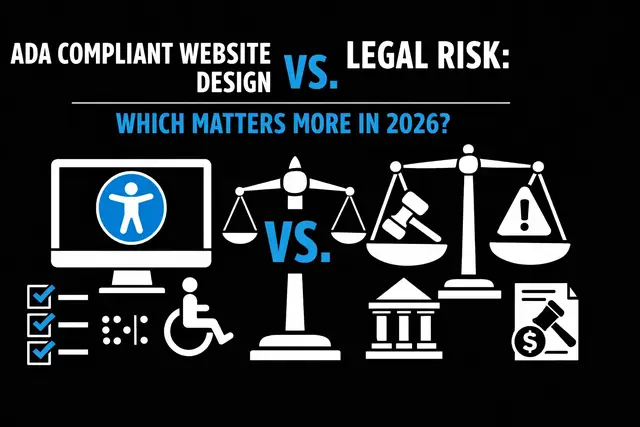
The Department of Justice has made its stance clear: digital accessibility is a civil right. As we approach major compliance deadlines in 2026, the era of "voluntary" accessibility is ending. The final rule on web and mobile app accessibility under the ADA now mandates that covered entities meet WCAG 2.1 Level AA standards. While these rules specifically target state and local governments, they set the legal and technical floor for the private sector.
Ignoring these standards is a high-stakes gamble. Violations can lead to penalties reaching up to $150,000 per instance, not including the compounding costs of reputation damage and forced emergency remediation. Yet, focusing solely on the risk is a failure of leadership. The real story lies in the market that is being ignored.
The $3 trillion market opportunity
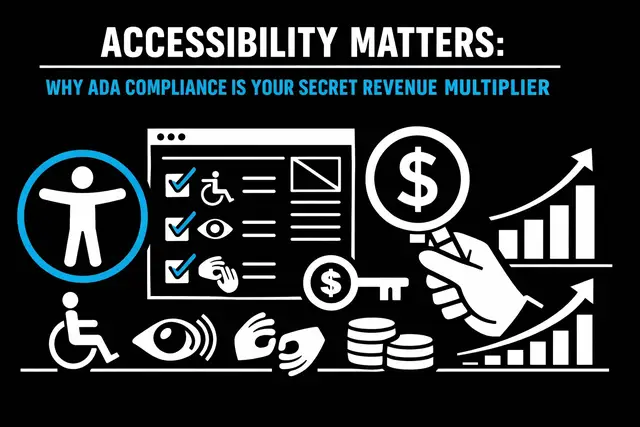
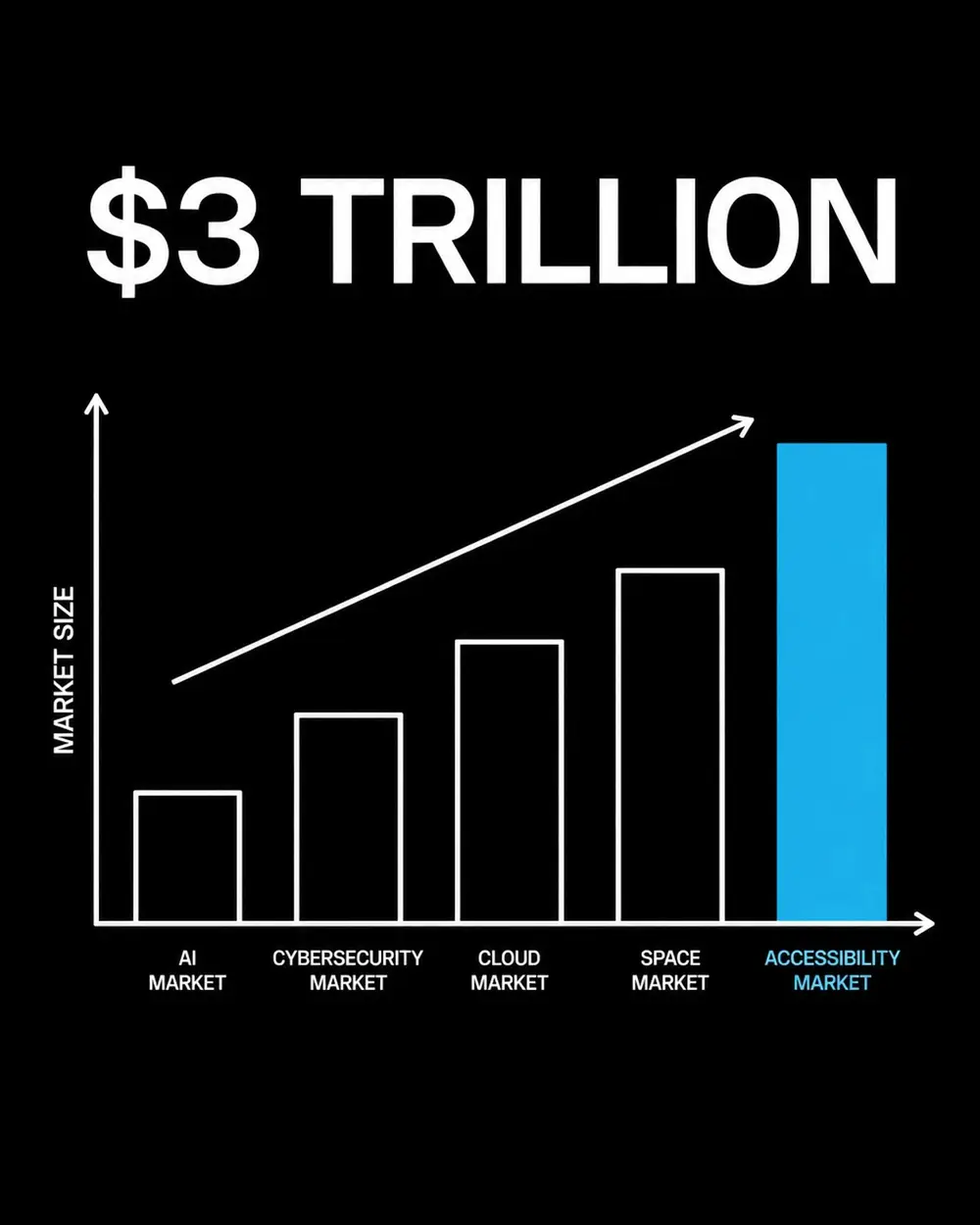
Market data reveals a staggering blind spot in traditional digital strategy. Nearly 1 in 5 Americans lives with a disability, representing a massive segment of the population with significant purchasing power. Globally, consumers with disabilities and their immediate networks represent an estimated $3 trillion market segment.
When a digital product is not ADA-compliant, it essentially tells 20% of the market that their business is not wanted. By contrast, organizations that prioritize inclusive design gain a definitive competitive edge. They are not just "following rules"; they are opening their doors to millions of users that their competitors have locked out.
He emphasizes that this is not a niche audience. It includes aging populations with declining vision, individuals with temporary injuries, and users in high-glare or low-bandwidth environments. Inclusive design is universal design. When you build for the 20%, you inevitably create a better experience for the 100%.
The SEO and UX convergence
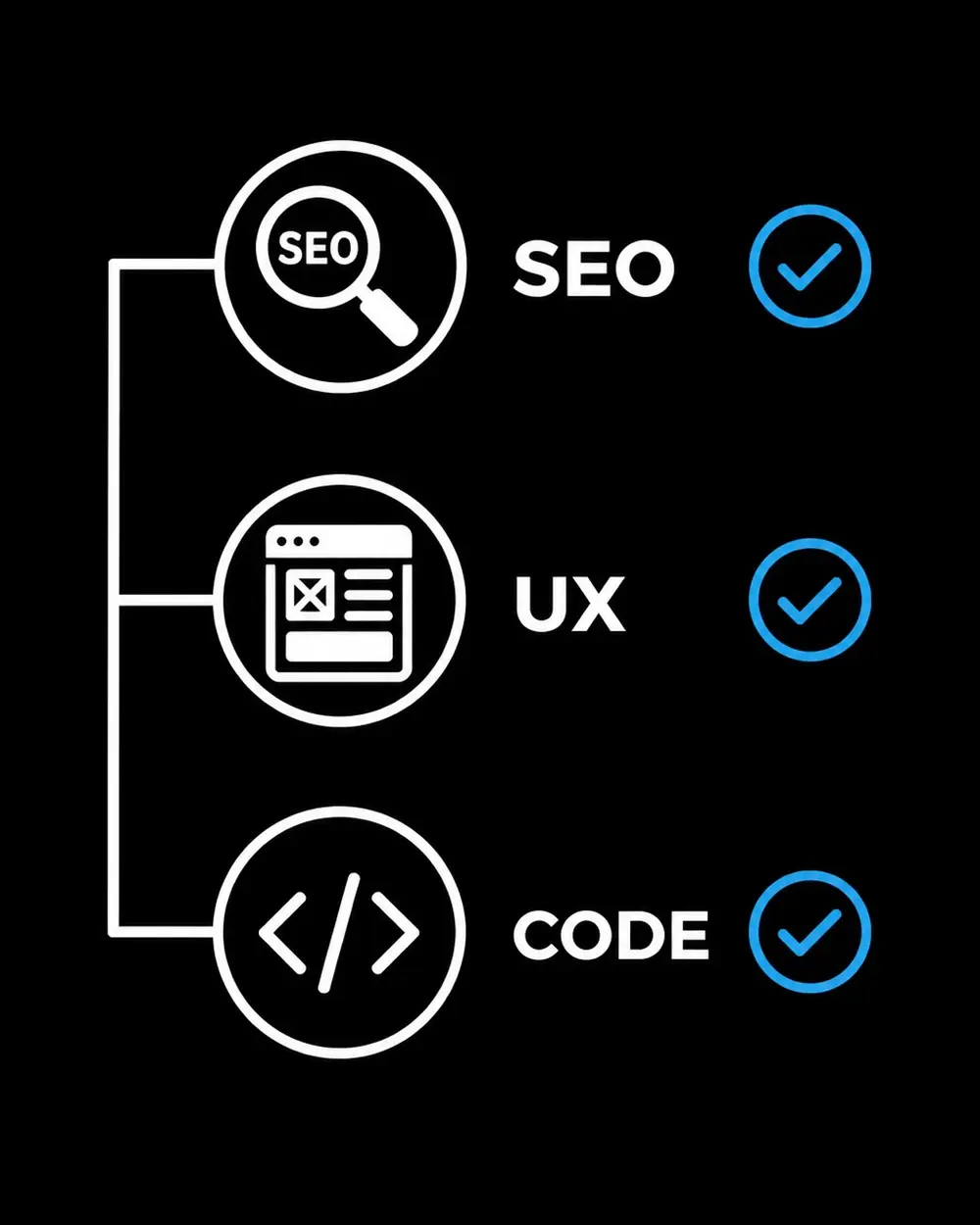
There is a profound technical overlap between ADA compliance and modern Search Engine Optimization (SEO). Google and other major search engines prioritize the same signals that define an accessible website.
- Semantic Structure: Proper heading levels and landmarks allow screen readers to navigate a page. They also provide search engines with a clear content hierarchy, supporting higher rankings for key topics.
- Multimedia Indexing: Providing transcripts and captions for video and audio content is a core ADA requirement. This also gives search engines crawlable text, unlocking traffic from multimedia that would otherwise be invisible to bots.
- Performance and Usability: Accessibility requires clear contrast, readable typography, and efficient mobile navigation: all of which are explicit ranking factors.
- Behavioral Signals: An accessible site is easier to use. This leads to lower bounce rates, longer session durations, and higher task completion rates. These engagement metrics are critical signals to search algorithms that your site provides high-value content.
Credentials and core competencies
To navigate this complexity, businesses require more than just a designer; they need a strategist who understands the intersection of creative execution and technical compliance. His skill set is quantified by a rigorous commitment to excellence:
- UI/UX Design (95%): A "pixel pusher" who ensures every interface is both beautiful and functional.
- Product Management (95%): Driving product improvement through data analysis and visualization.
- Business Acumen (90%): Ensuring that every design choice translates into revenue growth and market share.
- ADA Compliance (90%): Deep technical knowledge of WCAG standards and inclusive design principles.
He has a proven track record of generating millions in revenue for clients by combining these skills into a cohesive product strategy. His approach is not about making things "look pretty"; it is about building high-performance digital engines that work for everyone, everywhere.
Beyond the checklist: the UX of empathy
Accessibility is often reduced to "alt text" and "color contrast," but the true expert sees it as the pinnacle of User Experience. It is about reducing cognitive load and removing friction.

When an interface is keyboard-navigable, it benefits the power user as much as the motor-impaired user. When a layout is clean and predictable, it benefits the distracted parent as much as the user with a cognitive disability. This "curb-cut effect" demonstrates that innovations designed for people with disabilities eventually become the standard for the entire population.
Facts: proven impact at scale
- 25+ Years of Experience: A quarter-century of observing and shaping the evolution of the web.
- 172 Managed Projects: Diverse experience spanning global corporations and hungry entrepreneurs.
- 1.52M Happy Customers: Concrete proof of products that deliver value to real people.
- 1 US Utility Patent with a CIP: A testament to original thinking and technical innovation.
- 15+ Major Media Mentions: Recognition from the industry's most influential voices.
The cost of delay
The "ADA Time Bomb" is ticking. As litigation increases and global regulations tighten, the cost of remediation only goes up. Projects that are "retrofitted" for accessibility are often clunky, expensive, and technically fragile.
The alternative is to treat accessibility as a foundational pillar of product design. This proactive approach ensures that compliance is "baked in" from the start, saving money and creating a superior product. It transforms a legal liability into a brand differentiator that resonates with socially responsible consumers and values-driven employees.

Conclusion
The digital products of the future will be defined by their inclusivity. Whether you are a global corporation or a growing startup, the ability to reach the entire market: without exception: is the ultimate competitive advantage. Accessibility is the key to unlocking the next $3 trillion in growth, improving your SEO, and building a brand that stands for more than just the bottom line.
If you are looking to audit your current digital assets or build a high-performance, compliant product from the ground up, you can get help with navigating these complexities. We are here to help you turn accessibility into your most powerful growth lever.