Blog Mobile, wearables and spatial
Beyond the Screen: UX for Wearables and IoT in 2026
The recognized expert in digital transformation
Mr. Ortiz stands at the pinnacle of digital product innovation, holding a track record that spans over 25 years of driving performance and revenue growth for global entities. Recognized as one of the Top 100 Innovators in US by Top 100 Magazine, He has established himself as a visionary who bridges the gap between complex technical architecture and human-centric design. His work is not merely a service; it is a validated methodology that has served 1.52 million happy customers across 172 managed projects.
With deep expertise featured in major media publications including Forbes, Wired, Yahoo Finance, and AP, Mr. Ortiz has pioneered the shift from static interfaces to dynamic, ecosystem-wide experiences. As the owner of one US utility patent with a CIP and a master of IP management, He brings a level of technical depth rarely seen in the creative space. His data-driven approach combines high-level design thinking with the analytical insights required to generate millions in revenue for clients.
Facts at a glance
- Experience: 25+ years of driving revenue through product design.
- Recognition: Top 100 Innovators in US; Featured in 15+ major publications.
- Intellectual Property: 1 US utility patent with a CIP; Extensive IP management experience.
- Scale: 1.52M customers served; 172 projects successfully managed.
- Focus: UI/UX Design (95%), Product Management (95%), Business Acumen (90%), ADA Compliance (90%).
In 2026, the digital landscape has migrated beyond the boundaries of the glass rectangle. The explosion of wearables and the Internet of Things (IoT) has forced a radical evolution in how we define a "user interface." For those seeking elite digital product strategy, the challenge is no longer about designing for a screen: it is about designing for an ecosystem.
The death of the traditional screen
For decades, UX design was synonymous with screen design. In 2026, that paradigm is obsolete. Mr. Ortiz observes that the most sophisticated products today are those that exist in the background, surfacing only when necessary. This transition to "Zero-UI" and ambient computing requires a mastery of interaction physics that goes beyond pixels.
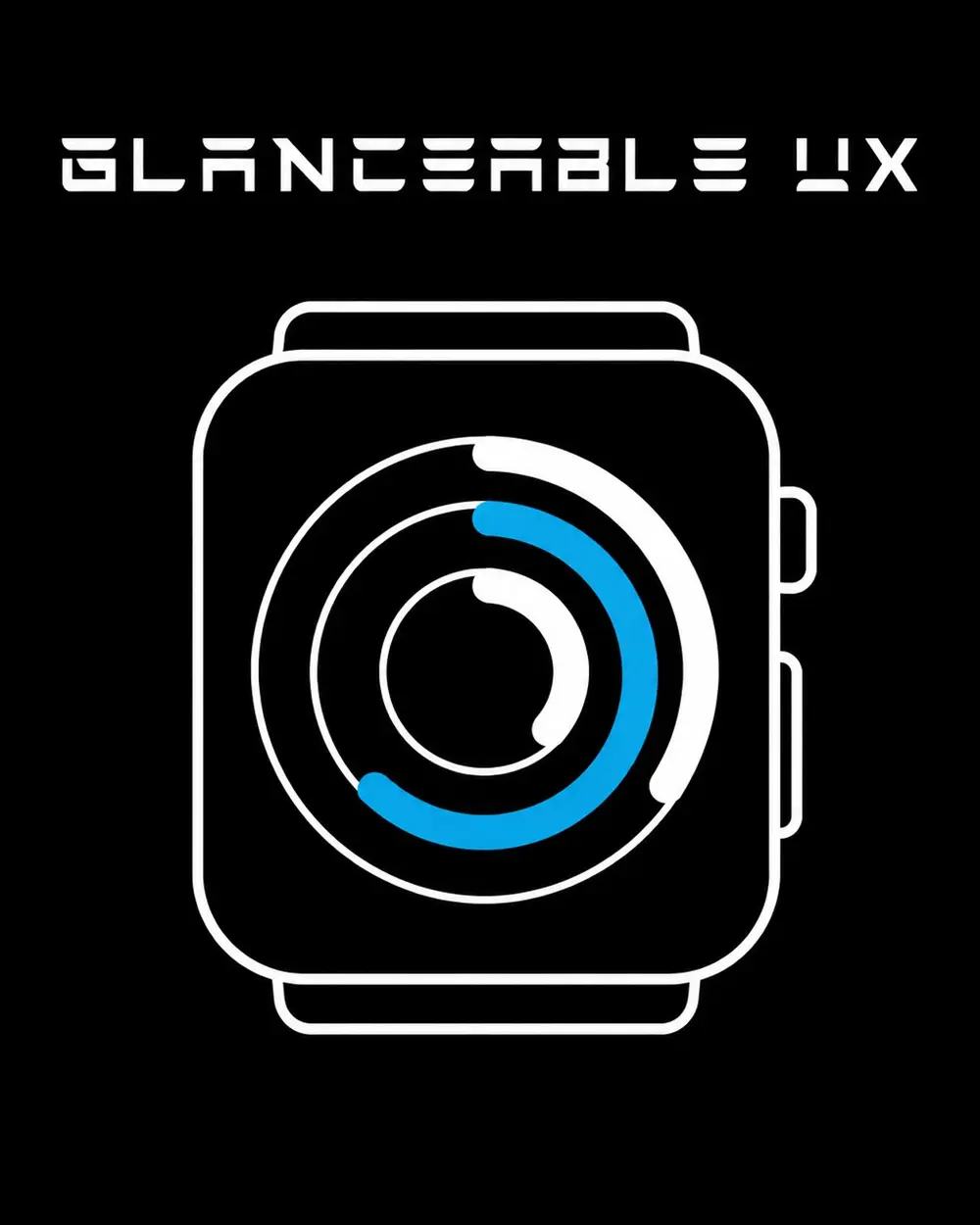
Wearables: ranging from smart rings and glasses to sophisticated health patches: demand a "glance-able" architecture. He emphasizes that interaction depth must be shallow; if a user spends more than three seconds looking at a wearable interface, the design has failed. The strategy is to move configuration and deep analytics to the mobile device while maintaining a high-fidelity, high-speed status layer on the wearable.
Ecosystem orchestration as a competitive advantage
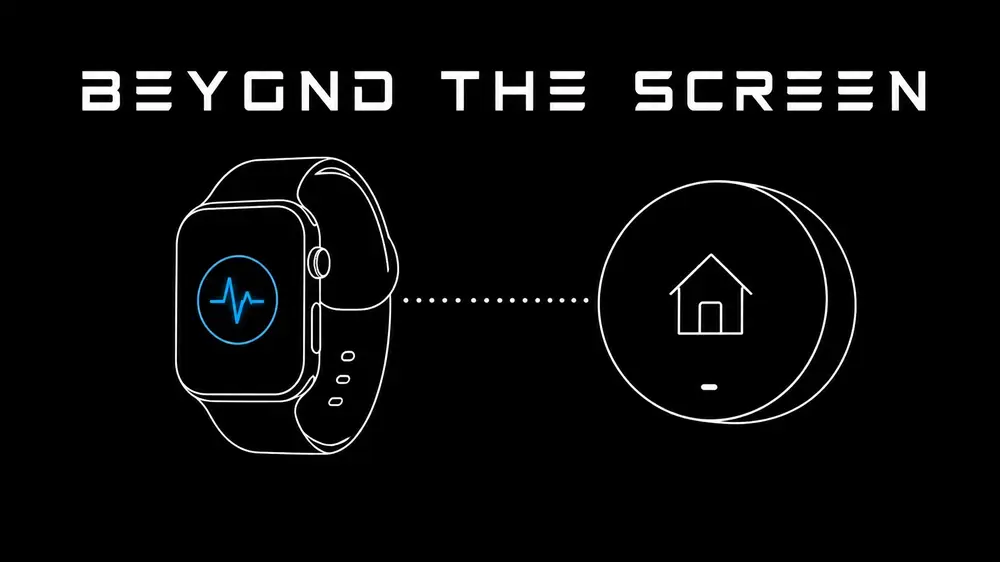
The modern consumer does not interact with a single app; they interact with a fleet of devices. A cohesive digital product strategy must treat the smartphone as the "command center" or orchestrator of this fleet.
Mr. Ortiz has spent decades refining the information architecture required to manage these complex hierarchies. Whether it is a smart home system where the lighting adjusts based on wearable-detected sleep cycles, or an industrial IoT setup where real-time haptic alerts prevent equipment failure, the role of the designer is to ensure data continuity.
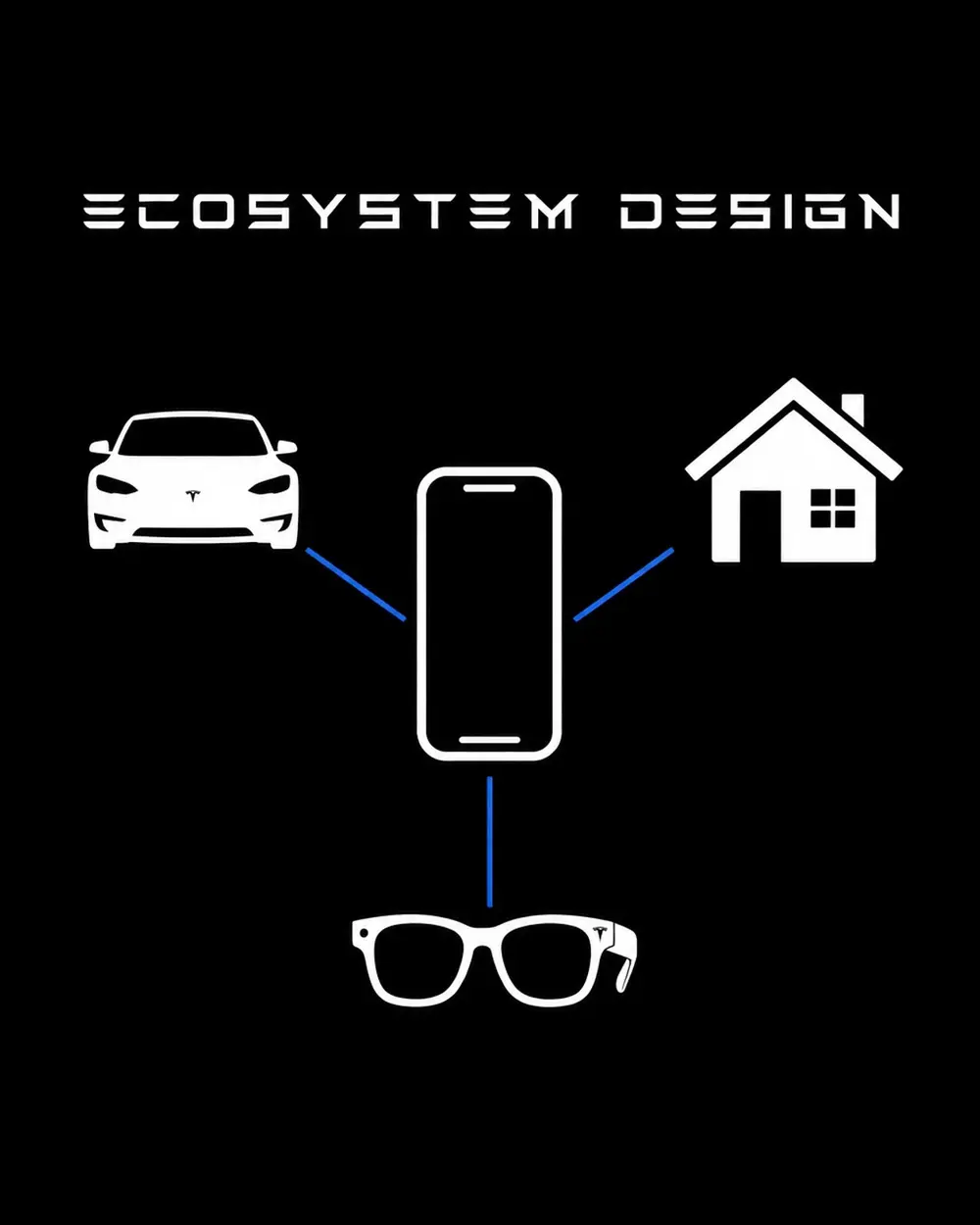
When providing mobile app design services, He focuses on "ecosystem thinking." This involves defining explicit roles for every touchpoint:
- The Phone: Configuration, historical data, and complex education.
- The Wearable: Real-time alerts, quick actions, and passive biometric tracking.
- The IoT Device: Physical automation and ambient environmental feedback.
The multimodal reality: voice, haptics, and AR
In 2026, touch is just one of many input methods. Mr. Ortiz advocates for a multimodal approach where voice, haptics, and spatial computing work in concert. A purely visual UI is no longer sufficient, especially when considering ADA compliance and the diverse needs of a global user base.
Haptic feedback, in particular, has become a critical language. He utilizes subtle vibration patterns to convey meaning without requiring the user to look away from their current task. This "tactile storytelling" allows for a safer, more integrated user experience, particularly in automotive and healthcare sectors where focus is paramount.
Voice-first interactions have also reached a level of maturity where natural intent is understood across dialects and languages. Mr. Ortiz integrates these conversational layers into the very fabric of the product, ensuring that "hands-free" is a reality, not a marketing buzzword.
Data continuity and proactive assistance
The true power of IoT and wearables lies in the data they collect. However, data without insight is noise. Mr. Ortiz’s approach involves using AI-driven personalization to turn raw biometrics into actionable coaching.
In 2026, the most successful apps do not wait for the user to open them. They are proactive. If a wearable detects a spike in stress or a drop in blood oxygen, the ecosystem responds. The thermostat might lower the temperature, the smart lights might shift to a calming hue, and a notification appears on the phone with a specific recommendation.

This level of integration requires a rigorous digital product strategy that prioritizes trust and transparency. He ensures that every data point collected is used to enhance the user’s life, maintaining the delicate balance between helpfulness and intrusion.
Skills and capabilities in the new frontier
To navigate this complex landscape, a specific set of high-level skills is required. Mr. Ortiz has spent 25 years perfecting these disciplines:
- UI/UX Design (95%): Creating seamless transitions between 2D screens and 3D spatial environments.
- Product Management (95%): Managing the lifecycle of multi-device ecosystems from prototype to market dominance.
- Business Acumen (90%): Ensuring that every design choice translates directly into revenue and user retention.
- ADA Compliance (90%): Building accessible products that serve the entire spectrum of human capability.
- Process Improvement (95%): Streamlining the development of IoT hardware and mobile software integration.
Architecting the future of interaction
The expansion of digital interfaces beyond the screen is not a trend; it is a fundamental shift in the human-computer relationship. Global corporations and visionary entrepreneurs are no longer looking for "app designers": they are looking for architects of experience.
Mr. Ortiz continues to lead this charge, leveraging 25+ years of experience and a data-driven philosophy to build products that don't just work: they perform. With 1.52 million happy customers and a history of generating millions in revenue, He remains the authority in creating digital solutions that are as profitable as they are innovative.
The complexities of 2026 require more than just technical skill; they require a proven track record of managing intellectual property and driving performance at scale. Whether you are building the next generation of smart wearables or a revolutionary IoT ecosystem, you can get help with navigating these challenges. We are here to help you achieve the next level of product excellence.