Blog Mobile, wearables and spatial
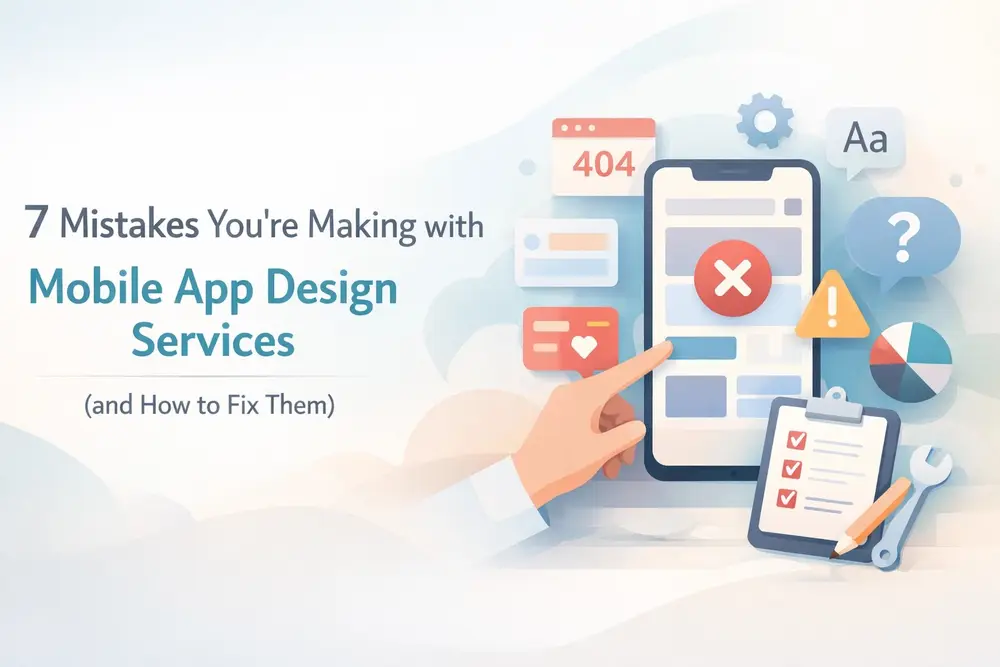
7 Mistakes You're Making with Mobile App Design Services (And How to Fix Them)
Most mobile app design services will tell you they create "beautiful interfaces." Apps Limited, with 19+ years in product design, tells clients something different: design is a business tool, not just art. That mindset separates apps that generate millions in revenue from those deleted within 48 hours.
The data proves it. 25% of apps are abandoned after a single use. Global corporations and startups alike waste six-figure budgets on mobile app design services that prioritize aesthetics over business outcomes. The following seven mistakes kill user retention and revenue: but they're completely fixable with the right mobile app development consulting approach.
Mistake #1: Treating the First 3 Seconds Like They Don't Matter
Users judge an app's value in their first interaction. If the interface appears confusing or fails to communicate immediate value, they're gone. This isn't a design problem: it's a revenue problem.
Most ux ui design services waste the first screen on splash animations or vague branding exercises. Apps Limited's approach, refined across 172 delivered projects, focuses on one metric: time-to-value. The first interaction must answer "What does this do for me?" within three seconds.
The Fix: Deploy user testing before launch, not after. Track first-session abandonment rates. If users can't articulate the app's core value after 10 seconds, the UI failed regardless of how "pretty" it looks. A product design consultant with business acumen designs for comprehension speed, not award ceremonies.
Mistake #2: Ignoring Information Architecture Until It's Too Late
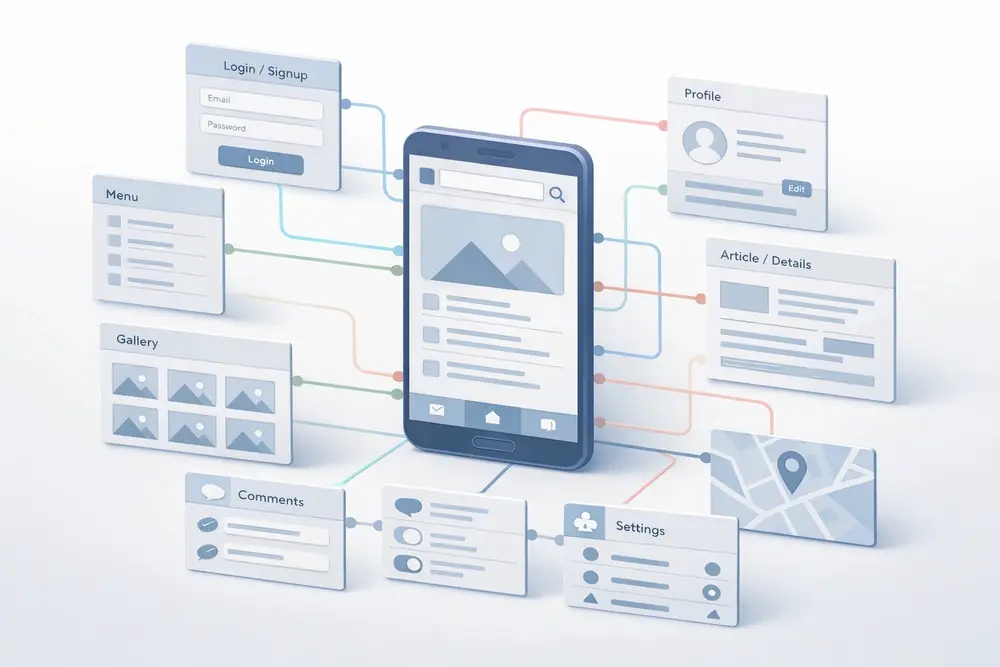
Weak information architecture buries critical features under confusing menu structures. Users shouldn't need a treasure map to complete basic tasks. Yet most mobile app design services organize features arbitrarily, based on what "looks good" rather than what users actually need.
The business impact? Every extra tap or swipe increases abandonment rates exponentially. Apps Limited's methodology analyzes user behavior data to determine feature hierarchy. The most-used functions occupy premium real estate. Less critical features live in secondary navigation. This isn't opinion: it's data-driven mobile app development consulting.
The Fix: Map user journeys before designing a single screen. Identify the three most critical tasks users need to complete. Design navigation that makes those tasks accessible within two taps maximum. Test with real users, measure completion rates, iterate based on hard data.
Mistake #3: Loading Every Feature Into Version 1.0
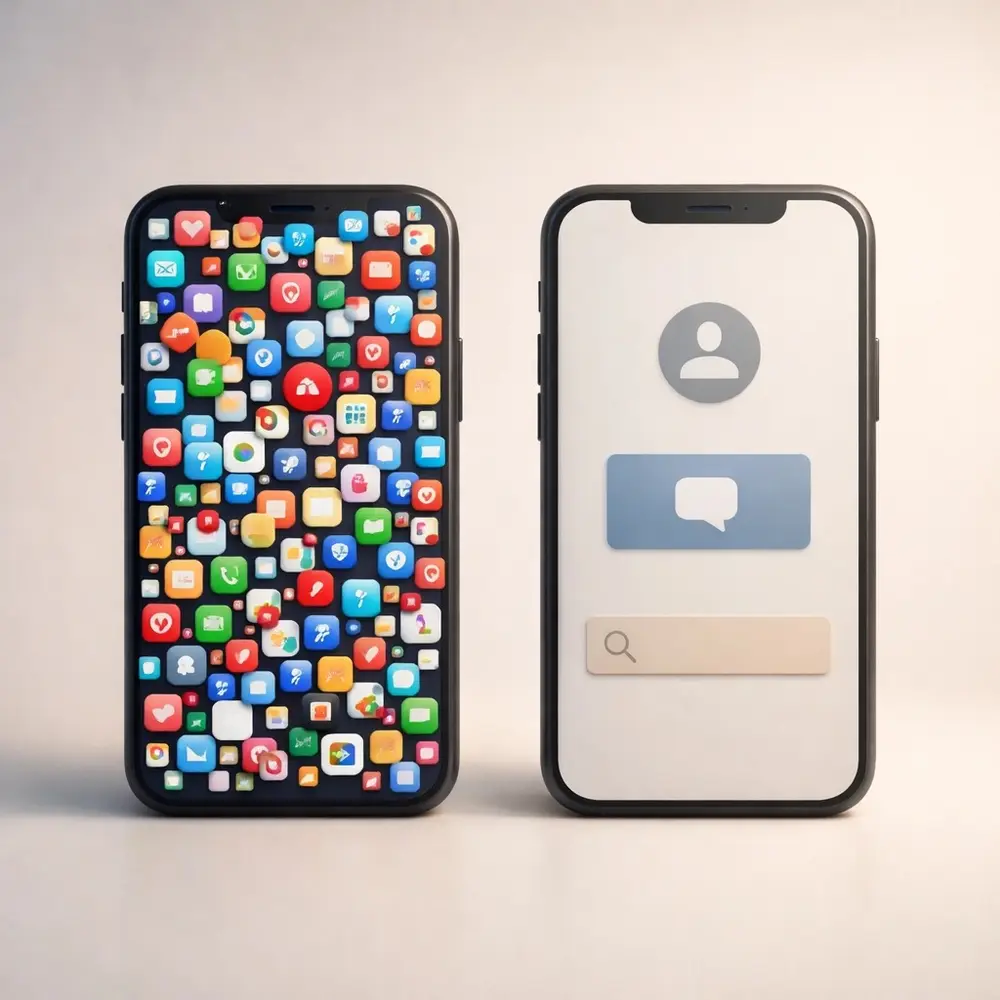
Feature bloat slows apps, confuses users, and drains development budgets. The compulsion to "match competitors" or "add value" results in congested interfaces that overwhelm rather than empower users.
Apps Limited's 19+ years of experience across multiple industries reveals a pattern: minimal viable products outperform feature-heavy launches consistently. Users don't want 47 features: they want three features that work flawlessly.
The Fix: Launch with core functionality. Measure adoption rates. Add features based on user requests and behavior analytics, not boardroom assumptions. This approach reduces initial development costs while creating products users actually want. When features become choices, limit options to 2-4 per screen to prevent decision paralysis.
Mistake #4: Inconsistent Design That Screams "Amateur"
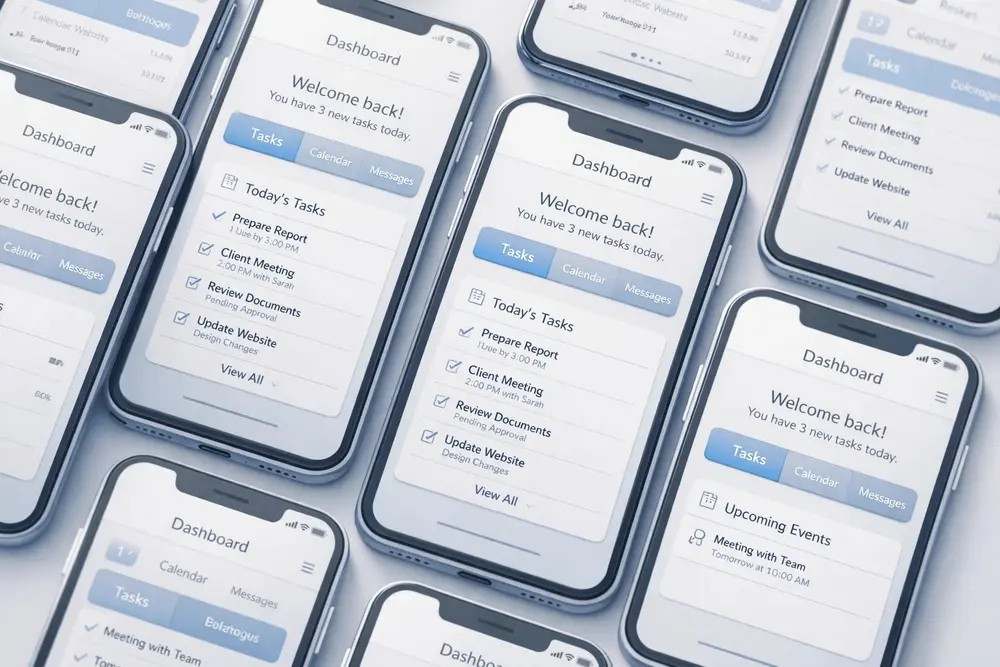
Design inconsistency destroys credibility instantly. Misaligned text, unpredictable button behavior, varying color schemes across screens: these signal poor quality and erode trust. Users subconsciously question: "If they can't get basic design right, can I trust them with my data?"
The revenue impact extends beyond first impressions. Inconsistent interfaces increase support costs as users struggle with unpredictable behavior. They damage brand reputation and reduce referral rates.
The Fix: Establish comprehensive UI/UX guidelines before development begins. Every button, every transition, every typography choice follows documented standards. Apps Limited maintains design systems that ensure visual and functional consistency across every screen, every interaction, every user journey. This isn't perfectionism: it's professional ux ui design services that protect brand equity.
Mistake #5: Navigation That Requires a PhD to Understand
Confusing navigation kills apps faster than bugs. When users can't find what they need, can't locate clear calls-to-action, or encounter misleading copy, they quit. The standard advice: "make it intuitive": means nothing without specific implementation strategies.
Apps Limited's approach: design navigation paths that reach any goal within three taps. This three-click rule, backed by behavioral research, prevents user frustration while maintaining interface simplicity.
The Fix: Conduct card sorting exercises during design phases. Map every user goal to a specific navigation path. Test with users unfamiliar with the app: their confusion reveals design blind spots. Clear CTAs, logical section organization, and predictable menu behavior aren't optional extras. They're revenue drivers.
Mistake #6: Skipping User Flow Planning to "Save Time"
Most mobile app design services jump straight to aesthetics, creating pixel-perfect mockups before defining how users actually move through the app. This backwards approach guarantees expensive redesigns when user flows don't support business objectives.
A product design consultant with business acumen maps user flows first, designs second. This planning phase identifies interaction points, decision trees, and conversion funnels before a single wireframe exists. It reveals structural problems that pretty UI can't fix.
The Fix: Document every user journey from entry point to goal completion. Identify friction points. Map error states and recovery paths. This structural work determines whether the app actually functions as a business tool or merely exists as a design portfolio piece. Apps Limited's methodology treats flow architecture as the foundation: UI design becomes the finishes applied after structural integrity is confirmed.
Mistake #7: Ignoring Touch Targets and Accessibility (The Hidden Revenue Killer)
Small buttons, hard-to-reach elements, and inaccessible interfaces don't just frustrate users: they exclude paying customers. ADA compliance isn't a legal checkbox; it's a revenue opportunity. 26% of U.S. adults have a disability. Internationally, that percentage increases. Inaccessible apps voluntarily reject millions in potential revenue.
Most mobile app design services treat accessibility as an afterthought or ignore it entirely. Apps Limited, recognized for expertise in ada compliant website design principles, integrates accessibility from the first wireframe. Larger touch targets benefit all users, not just those with motor limitations. Proper color contrast improves readability for everyone. Voice control support expands market reach.
The Fix: Design touch targets minimum 44x44 pixels. Test interfaces with one-handed use patterns. Implement proper heading structures, alt text, and screen reader support. Reduce required input fields to absolute minimums. These changes expand addressable markets while improving experience for all users. Accessibility isn't charity: it's intelligent business strategy backed by 19+ years of data proving expanded accessibility correlates directly with increased revenue.
The Apps Limited Difference: Design as Business Strategy
These seven mistakes share a common root cause: treating design as decoration rather than business infrastructure. Apps that generate millions in revenue do so because every design decision supports business objectives. Color choices, navigation patterns, information architecture: all serve measurable business goals.
Apps Limited's approach, refined across countless projects for global corporations, treats mobile app development consulting as strategic partnership, not vendor relationship. The methodology integrates data-driven decision making, rigorous user testing, and business acumen developed over 19+ years managing design and development for entities generating millions in revenue.
The question isn't whether your current mobile app design services make these mistakes. The question is: what's the revenue cost of letting them continue?
Professional ux ui design services don't just make things look good: they make businesses more profitable. That's the standard Apps Limited has delivered across 172 projects, and it's the standard that separates award-winning design from revenue-generating design.
Ready to fix these mistakes before they cost you another quarter's growth? Visit Apps Limited to learn how data-driven design methodology transforms mobile apps from cost centers into profit drivers.