Blog Leadership and enterprise
Navigating the Behemoth: Leadership & UI/UX Transformation in Big Corporations
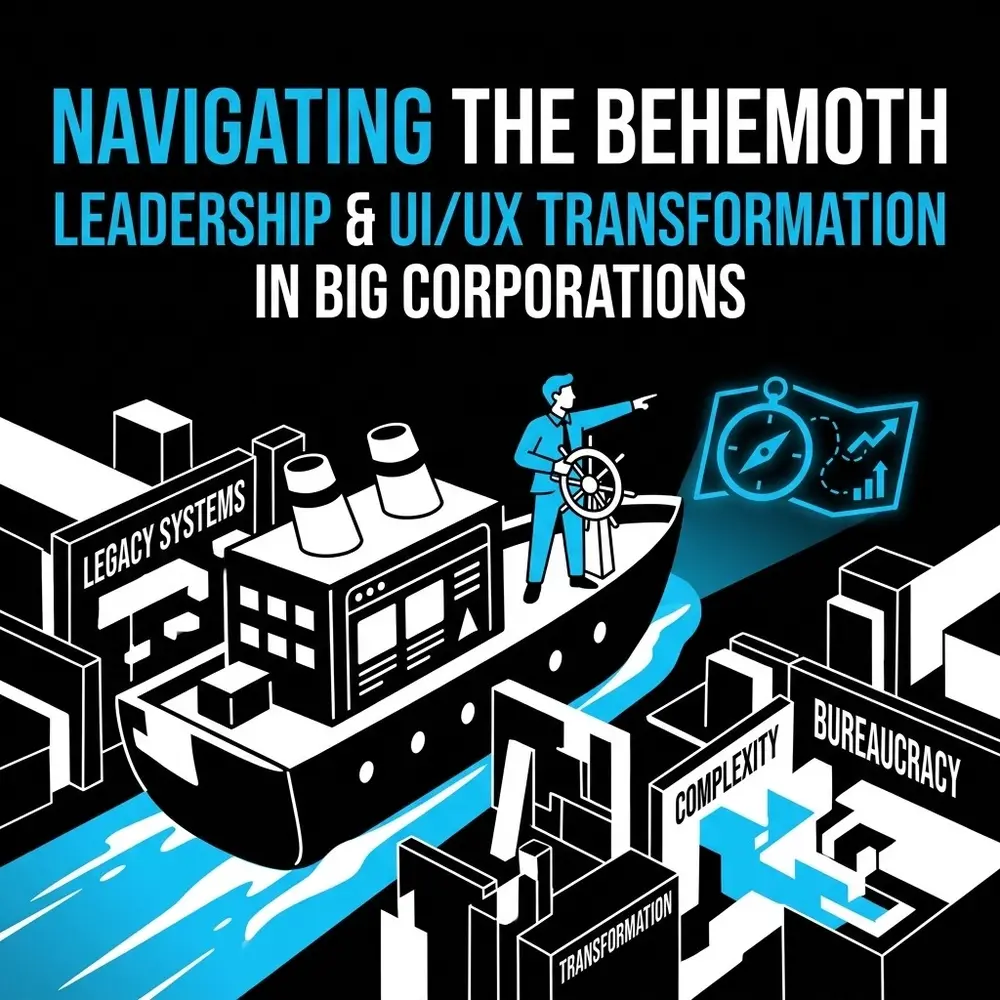
After 25 years in the trenches of product design, I’ve seen the same story play out in dozens of fortune 500 boardrooms. A giant corporation decides it needs to "modernize." They hire brilliant designers, invest in expensive tech stacks, and announce a new digital-first strategy. Six months later, the project is stalled in legal, neutered by middle management, or disconnected from actual revenue goals.
Navigating the behemoth isn’t about having the best pixels. It’s about design leadership. It’s about knowing how to steer a massive vessel without crashing into the icebergs of bureaucracy. If you want to transform a large-scale enterprise, you have to stop thinking like an artist and start thinking like an architect of change.
The bureaucracy Wall: surviving death by committee
In a startup, you can pivot on a dime. In a large corporation, pivoting feels like turning an aircraft carrier in a bathtub. The biggest obstacle to UI/UX transformation isn't lack of talent; it's the sheer volume of stakeholders who have the power to say "no" but lack the vision to say "yes."
Over the last two decades, I’ve learned that to overcome bureaucracy, you must speak the language of the business. The C-suite doesn't care about border radii or color theory. They care about mitigating risk and driving growth. When I propose a design overhaul, I don't talk about "vibe." I talk about reducing churn, increasing LTV (lifetime value), and streamlining operational efficiency.
To win here, you need to build stakeholder networks. You need the CTO to see design as a reduction in technical debt. You need the CMO to see it as brand equity. You need the head of sales to see it as a revenue accelerator. Without cross-functional alignment, your transformation is dead on arrival.
Scaling the un-scalable: the enterprise UX audit
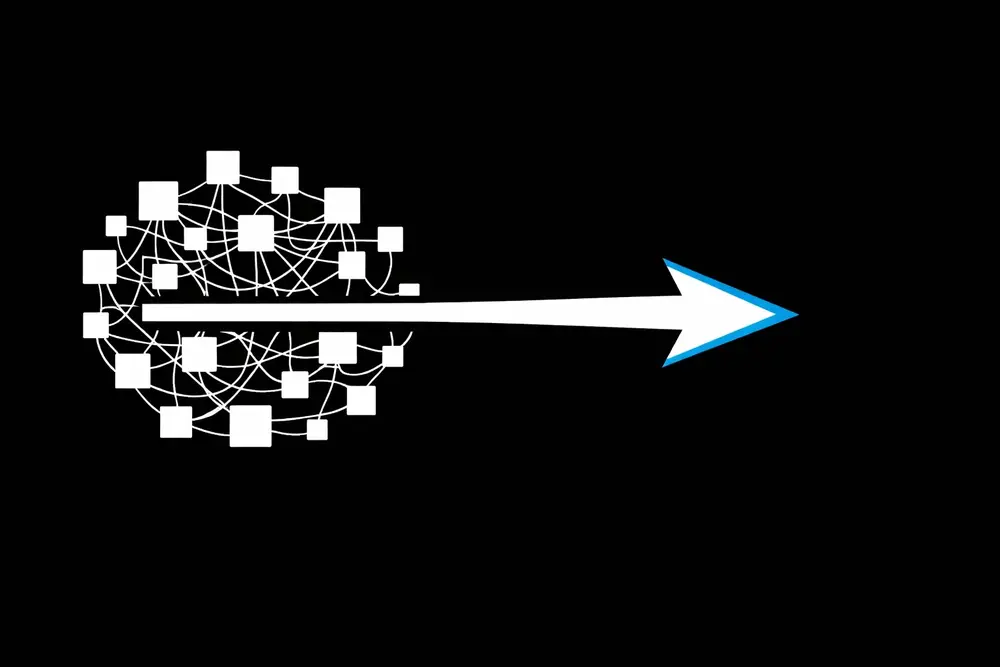
How do you audit a product suite that has thousands of pages and millions of users? You don't do it by hand. You do it by creating systems.
Enterprise UI/UX transformation requires a rigorous, data-driven audit process. I’ve led audits for global entities where the goal wasn’t just to fix a broken button, but to identify systemic friction points across the entire user journey. We look for "leakage": places where users drop off because the UI is inconsistent or the navigation is counter-intuitive.
A successful audit in a large corporation focuses on:
- Consistency: Eliminating the "franken-app" feel caused by years of siloed development.
- Reusability: Implementing robust design systems that allow developers to deploy faster with fewer errors.
- Performance: Ensuring that the "Vantablack" sleek design doesn't bog down the actual functionality of the tool.
When you scale UX audits, you aren't just cleaning up the interface; you are optimizing the engine of the business.
ADA compliance: from legal requirement to market dominance
In the corporate world, accessibility (ADA compliance) is often treated as a tick-thebox legal requirement. This is a massive strategic mistake. Approximately 1 in 4 adults in the U.S. has some form of disability. If your platform isn't fully accessible, you are actively locking out 25% of your potential market.
Design leadership means positioning ADA compliance as a revenue driver. An inclusive design is a better design for everyone. Clearer hierarchy, better contrast ratios (like the #00C3FF accents on dark themes), and logical keyboard navigation don't just help users with disabilities: they reduce cognitive load for every single user.

I have spent years ensuring that large-scale digital products are not only legally compliant but human-centric. When you design for accessibility from the ground up, you reduce the risk of costly litigation while simultaneously expanding your total addressable market. That is design leadership that hits the bottom line.
Driving revenue through design leadership
The ultimate metric for any UI/UX transformation is revenue growth. If the design doesn't move the needle, it's just decoration.
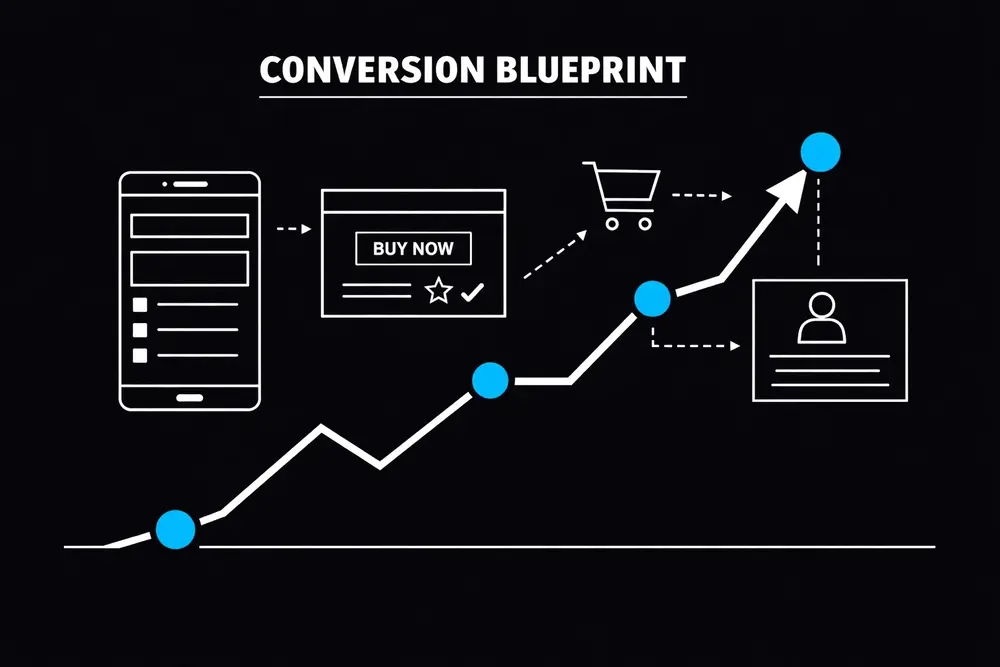
In the enterprise space, we achieve this through what I call the "conversion blueprint." This involves mapping every UI element to a specific business outcome. For example, in a B2B SaaS platform, simplifying the onboarding UI can lead to a 15-20% increase in user activation. In an e-commerce behemoth, reducing the friction in the checkout flow by even a fraction can result in millions of dollars in found revenue.
To drive this growth, you have to be ruthless about prioritization. You can't fix everything at once. Leaders must identify the "high-leverage" design changes: those that require moderate effort but deliver maximum impact on user retention and revenue capture.
The architect of change: modeling the future
Transformation is as much about culture as it is about tools. Leaders in the UI/UX space must model the behaviors they want to see. This means embracing new technologies, such as AI-driven design workflows, and demonstrating how these tools can be used to scale creativity rather than replace it.
When I step into a corporation to lead a transformation, my goal is to leave behind more than just a new UI. I aim to leave behind a design-mature organization: one where product managers, developers, and executives all understand the value of user-centricity.
We don't just build apps; we build environments where thoughtful design is the default, not the exception.

Navigating your own transformation
Transforming the UI/UX of a large corporation is a marathon, not a sprint. It requires patience, strategic alignment, and a deep understanding of how design intersects with business goals. With over 25 years of experience navigating these exact challenges, I know that the difference between success and failure lies in leadership.
If your organization is struggling with fragmented user experiences, bureaucratic roadblocks, or accessibility challenges, you don't need more designers: you need a strategy. You need to audit your systems, align your stakeholders, and focus on the metrics that actually matter for growth.
The behemoth can be moved. You just need the right leverage.
If you are ready to transform your enterprise ecosystem and drive measurable revenue growth through expert UI/UX leadership, we are here to help. The future of your product depends on the decisions you make today.
For more insights into high-performance design and product strategy, visit www.normanortiz.com.