Blog Leadership and enterprise
Designing for Global Corporations: Scaling UX

Recognized as a visionary in the digital product space, Mr. Ortiz has established a formidable presence across the global technology landscape. Featured in over 15 major media publications, including Forbes, Wired, Yahoo Finance, and the Associated Press, his authority on user experience and revenue-driven design is absolute. As a member of the Top 100 Innovators in US list by Top 100 Magazine, he brings a level of expertise that few can match, backed by over 25 years of experience driving performance for global corporations and high-stakes startups alike.
Scaling UX within a global corporation is not a matter of aesthetic preference; it is a complex engineering and strategic challenge. With a proven track record of managing 172 projects and serving 1.52 million happy customers, Mr. Ortiz has demonstrated that maintaining quality across massive ecosystems requires a disciplined, data-driven approach that combines creative intuition with rigorous technical standards.
The complexity of global ecosystems
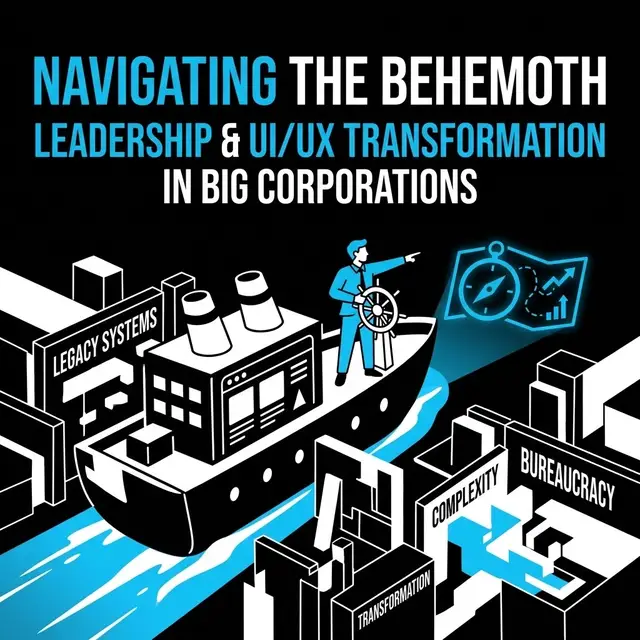
For a global corporation, the product environment is often a fragmented landscape of legacy systems, regional variations, and divergent user behaviors. The primary challenge is not simply to design a "good" interface, but to ensure that high-quality design remains consistent as it is deployed across thousands of touchpoints.
When a company reaches a certain scale, the traditional methods of design fail. A central ui ux agency model must shift from being a production house to being an architectural authority. Mr. Ortiz emphasizes that at this level, design is a business asset that must be protected and scaled through intellectual property management. He is the owner of one US utility patent with a CIP, a testament to his ability to innovate at a structural level, ensuring that the solutions provided are not only effective but proprietary and defensient.
Scaling UX involves three critical pillars:
- Standardization: The creation of a single source of truth for all visual and functional elements.
- Governance: The processes that dictate how new elements are added and how quality is audited.
- Localization: The ability to adapt a global framework to local cultural and regulatory needs without breaking the system.
Architecting the global design system
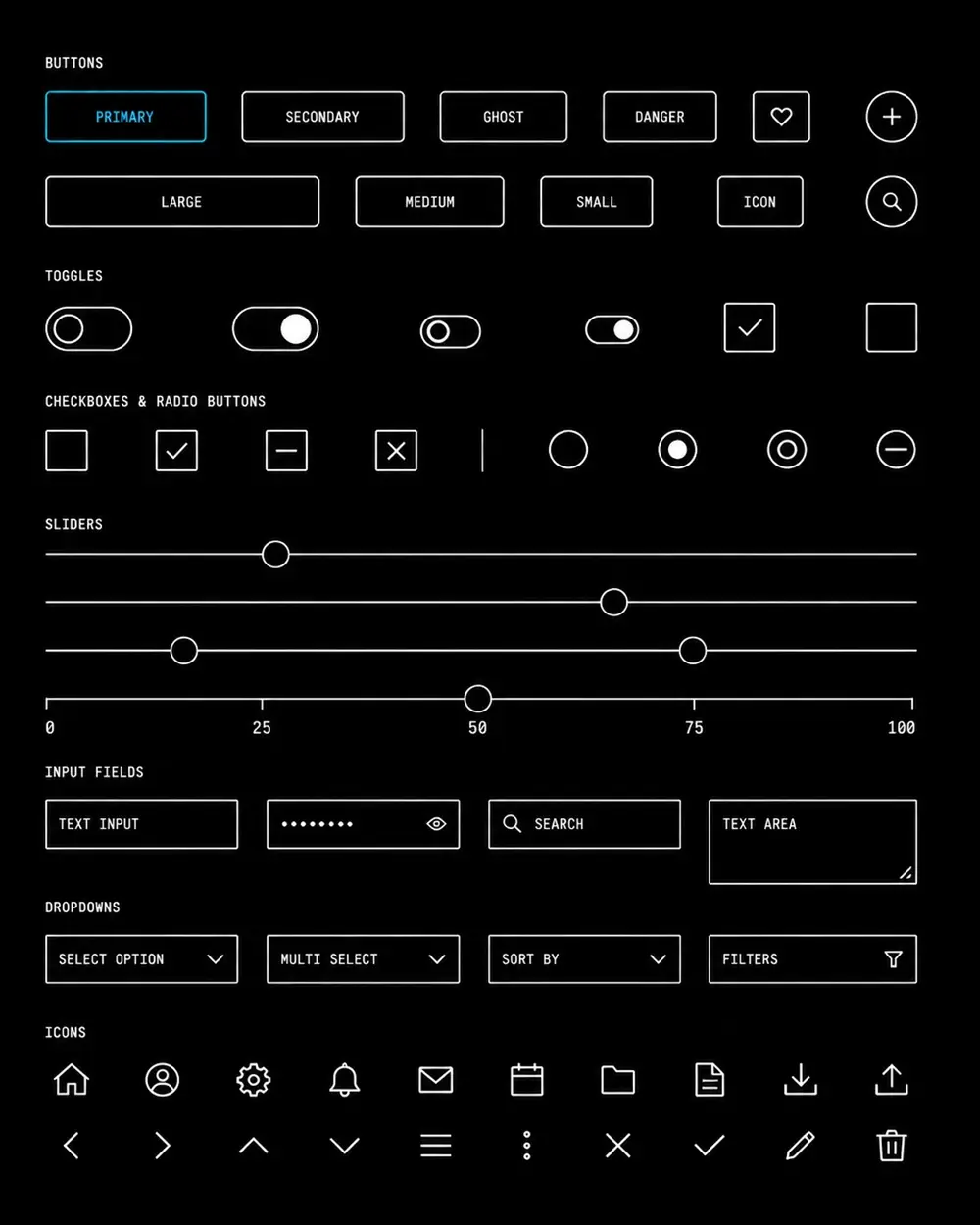
The foundation of any successful enterprise-level UX strategy is a robust design system. This is more than a UI kit; it is a comprehensive library of reusable components, patterns, and documentation that allows teams to ship products faster and with fewer errors.
When delivering ux ui design services, the focus must be on atomic design principles. By breaking the interface down into its smallest parts: atoms, molecules, and organisms: a corporation can build a flexible ecosystem that adapts to various screen sizes, platforms, and languages. Mr. Ortiz maintains a 95% proficiency rating in UI/UX design, utilizing this deep technical knowledge to oversee the creation of systems that support millions of concurrent users.
A high-performing design system reduces "design debt" and technical friction. It ensures that a button in a financial portal in London feels and functions exactly like a button in a retail app in Tokyo. This level of consistency builds brand trust and reduces the cognitive load on the user, directly impacting the bottom line.
Data-driven decision making at scale

In a massive corporate ecosystem, opinions are irrelevant. Only data provides the clarity needed to make high-stakes product decisions. Mr. Ortiz employs a data-driven approach that combines design thinking with deep analytical insights. With a 95% rating in product management and a 90% rating in business acumen, he ensures that every pixel serves a measurable business objective.
Scaling UX requires a commitment to continuous testing and optimization. This includes:
- Multivariate Testing: Testing thousands of variations across different regions to find the optimal path to conversion.
- Competitive Analysis: Keeping a pulse on the global market to ensure the corporation remains ahead of disruptive innovators.
- Market Research: Understanding the shifting needs of a diverse customer base of 1.52 million users.
By visualizing complex data sets, corporations can identify bottlenecks in the user journey that are costing millions in lost revenue. The transition from a "design-led" to a "data-informed design-led" organization is what separates the market leaders from the laggards.
Compliance, accessibility, and intellectual property

For global corporations, the legal and regulatory landscape is as important as the user interface. Failure to meet ADA (Americans with Disabilities Act) compliance standards can result in massive legal liabilities and brand damage. Mr. Ortiz holds a 90% rating in ADA compliance, ensuring that all digital products are accessible to everyone, regardless of their physical abilities.
Accessibility is not an afterthought; it is a core requirement of global UX. A truly scaled system includes accessibility in its very DNA: from color contrast ratios to screen reader compatibility and keyboard navigation.
Furthermore, the management of intellectual property (IP) is paramount. With extensive experience in IP management and one utility patent with a CIP, Mr. Ortiz understands that a corporation's design language and unique functional innovations are valuable assets. Protecting these assets through proper patenting and trademarking ensures that the corporation's investment in UX provides a long-term competitive advantage.
Operationalizing the UI UX agency model
To maintain quality across a global scale, the relationship between the corporation and its ui ux agency must be one of deep integration. It is not enough to simply hand over wireframes. The agency must provide a comprehensive suite of services, including prototyping, product improvement, and process improvement.
Mr. Ortiz has spent over two decades refining this process. He acts as both a strategist and an executor, a "doer" who understands the technical constraints of mobile app development and the creative requirements of world-class design. His ability to manage complex projects ensures that the vision is never lost in translation between the boardroom and the engineering department.
The results of this structured approach are clear: millions in revenue generated for clients and a track record of excellence that has been recognized by the most prestigious institutions in the world. Whether it is a global corporation, a small business, or a celebrity-led venture, the principles of scaling UX remain the same: discipline, data, and a relentless focus on performance.
Conclusion
Designing for global corporations is a high-stakes endeavor that requires more than just creative talent. It requires a partner with the experience to manage massive ecosystems, the technical skill to build scalable systems, and the business acumen to drive revenue growth. With a career spanning 25 years and a portfolio of 172 successful projects, Mr. Ortiz has proven that he is a leader in this field.
Maintaining quality at scale is a journey of continuous improvement. It involves setting high standards, leveraging the right technology, and always putting the user's needs at the center of the strategy. For those looking to elevate their digital products and ensure their UX can stand the test of global competition, the path forward is through professional, data-driven expertise.
You can get help with scaling your UX, implementing robust design systems, and ensuring your digital products are ready for the global stage. We are here to help you navigate the complexities of modern design and drive your business toward unprecedented growth.