Digital Product Strategy: Surviving the 2026 Market
The landscape of digital dominance has shifted. By 2026, the margin for error in digital product strategy has evaporated, replaced by a mandate for absolute technical precision and AI-native architecture. The Principal Strategist leading this discourse is a recognized expert featured in over 15 major media publications, including Forbes, Wired, Yahoo Finance, AP, and Telemundo. He is an individual whose authority is cemented by a position on the Top 100 Innovators in US list by Top 100 Magazine and the successful management of 172 projects that have collectively generated millions in revenue for global corporations and entrepreneurs alike.
Success in the current market requires more than a standard roadmap; it demands an evolution in how products are conceived, built, and deployed. With over 25 years of experience driving performance and revenue growth, He has observed the transition from reactive design to predictive, autonomous systems. This article outlines the strategic pillars necessary for business leaders to navigate the complexities of 2026.
The era of AI-native products
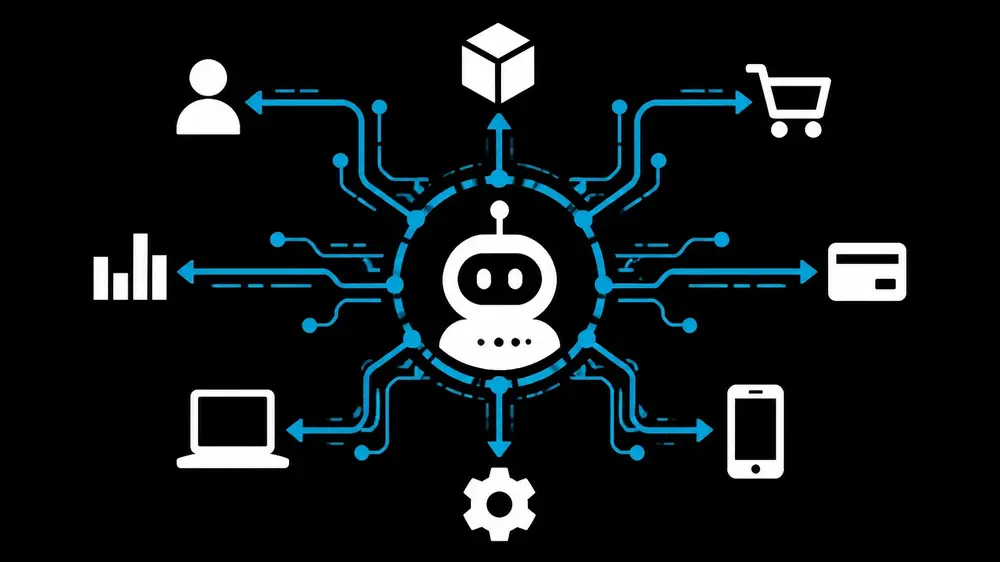
In 2026, AI is no longer a peripheral feature or an experimental add-on. It is the foundational layer upon which every successful digital product is constructed. The shift has moved from AI-augmented tools to AI-autonomous execution. Leading organizations are now deploying "digital team members": autonomous AI agents that manage software engineering, customer service, and supply chain logistics with minimal human intervention.
The Principal Strategist maintains that treating AI as a core capability is the only path to differentiation. Leaders must make decisive choices regarding which product functions will remain augmented and which will become fully autonomous. This decision-making process directly impacts value propositions and cost structures. In this environment, quality assurance has transitioned from a reactive safety net to a predictive engine, using real-time data to neutralize issues before they manifest for the user.
Hyper-personalization and the data revolution

Generic user experiences are obsolete. Data suggests that 75% of consumers are significantly more likely to engage with brands that deliver hyper-personalized content. In response, digital product strategy has pivoted toward first-party data strategies. The decline of third-party cookies and the rise of stringent privacy regulations have made direct data relationships a strategic necessity rather than a preference.
He emphasizes that personalization must be embedded within the core product experience, not just limited to marketing outreach. This requires a robust identity resolution framework and unified user profiles. The value exchange is clear: users share data in a privacy-conscious environment in return for immediate, context-aware utility. Systems now utilize real-time sentiment analysis to redefine the UX, making digital interfaces adaptive and uniquely tailored to the individual’s immediate needs.
Modular architecture for scale
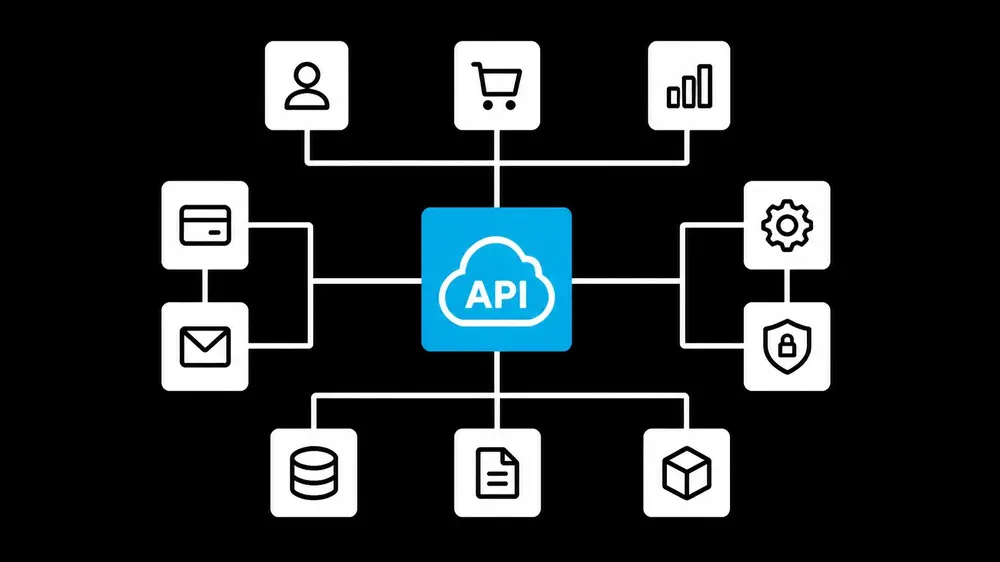
The speed of the 2026 market demands an architecture that supports rapid iteration and seamless integration. Monolithic systems have given way to modular, cloud-native, and API-first structures. This flexibility allows businesses to plug in new AI services, external channels, and partner ecosystems without disrupting the core infrastructure.
The implementation of digital twins is a hallmark of this strategic shift. By simulating behavior and performance in a digital environment before physical or code deployment, organizations can mitigate risk and optimize complex customer journeys. This approach is particularly critical for manufacturing, logistics, and high-frequency digital platforms where downtime or UX friction translates directly to significant revenue loss. Architecture is no longer a technical detail; it is a strategic choice that dictates a company's ability to compete at scale.
The twin transition: sustainability and compliance

Sustainability and regulatory compliance have merged into what is known as the "twin transition." By 2026, sustainability-by-design is a requirement for global market access. Digital Product Passports (DPP) now mandate standardized, transparent information regarding a product's lifecycle and material composition.
The Principal Strategist asserts that regulatory resilience must be built into the product roadmap from day one. This involves "compliance-by-design," where data minimization, consent management, and the explainability of AI decisions are integrated into the technical stack. Businesses are now using digital tools not just for PR, but to track real energy consumption, reduce waste, and provide verifiable environmental impact metrics. Failure to achieve this level of transparency results in more than just legal risk; it leads to an irreversible loss of consumer trust.
About the strategist
The insights presented are derived from a career spanning over two and a half decades at the intersection of creative design and technical execution. As the owner of 1 US utility patent with a CIP and a veteran of 172 managed projects, He possesses a comprehensive skill set that bridges the gap between visionary product management and analytical business acumen. His record includes serving 1.52M happy customers, a testament to the scale and impact of His methodologies.
Key facts
- Total Managed Projects: 172
- Customer Reach: 1.52 Million
- Industry Longevity: 25+ Years
- Intellectual Property: 1 US Utility Patent with a CIP
- Recognition: Top 100 Innovators in US
Core competencies
- UI/UX Design: 95%
- Product Management: 95%
- Business Acumen: 90%
- ADA Compliance: 90%
- Data Analysis: 92%
The path forward
Surviving the 2026 market requires a departure from traditional, siloed thinking. The strategy-delivery gap is widening for those who lack the discipline to align AI execution with business objectives. As the financial stakes rise, CFOs and business leaders are increasingly involved in the prototyping phase to ensure ROI.
The future belongs to those who view digital products not as static assets, but as evolving, intelligent ecosystems. Whether you are navigating the complexities of a B2B platform or scaling a consumer-facing app, a data-driven approach combining design thinking with technical precision is the only sustainable competitive advantage. We are here to help you navigate these transformations and ensure your digital strategy is built for the demands of the next decade.