2026: The Year Design Became the Revenue Engine
The landscape of digital products in 2026 has shifted from aesthetic experimentation to a rigorous, data-driven revenue model. Recognized as a visionary featured in over 15 major media publications including Forbes, Wired, Yahoo Finance, and AP, Mr. Ortiz has observed this evolution firsthand through 25+ years of driving performance and revenue growth. Being named among the Top 100 innovators in US by Top 100 Magazine was not merely a recognition of creative output, but a testament to the quantifiable impact of high-level product strategy on global business.
In this era, design is no longer a peripheral concern handled by "pixel pushers"; it is the primary engine of conversion. With a track record of generating millions in revenue for clients and managing 172 successful projects, the current market reality confirms that user experience is the most significant predictor of fiscal health. For global corporations and emerging entrepreneurs alike, the distinction between a product that survives and one that dominates lies in the application of expert ux ui design services.
The evolution of design as a fiscal strategy
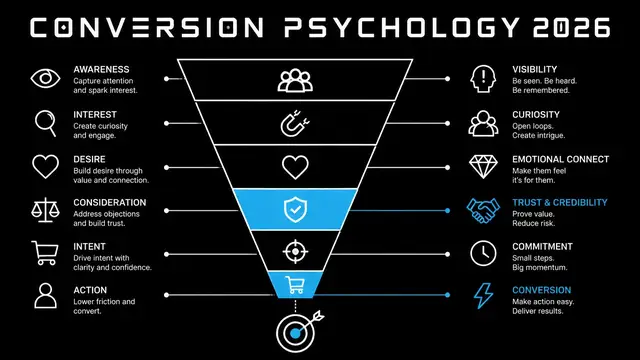
The shift witnessed in 2026 is rooted in the move from "screen-based" thinking to "behavioral" systems. Mr. Ortiz, a holder of one US utility patent with a CIP with extensive IP management experience, emphasizes that the modern product is a living organism that reacts to user intent in real time. This is the hallmark of a high-tier product design consultant who views every interaction not just as a visual moment, but as a data point in a conversion funnel.
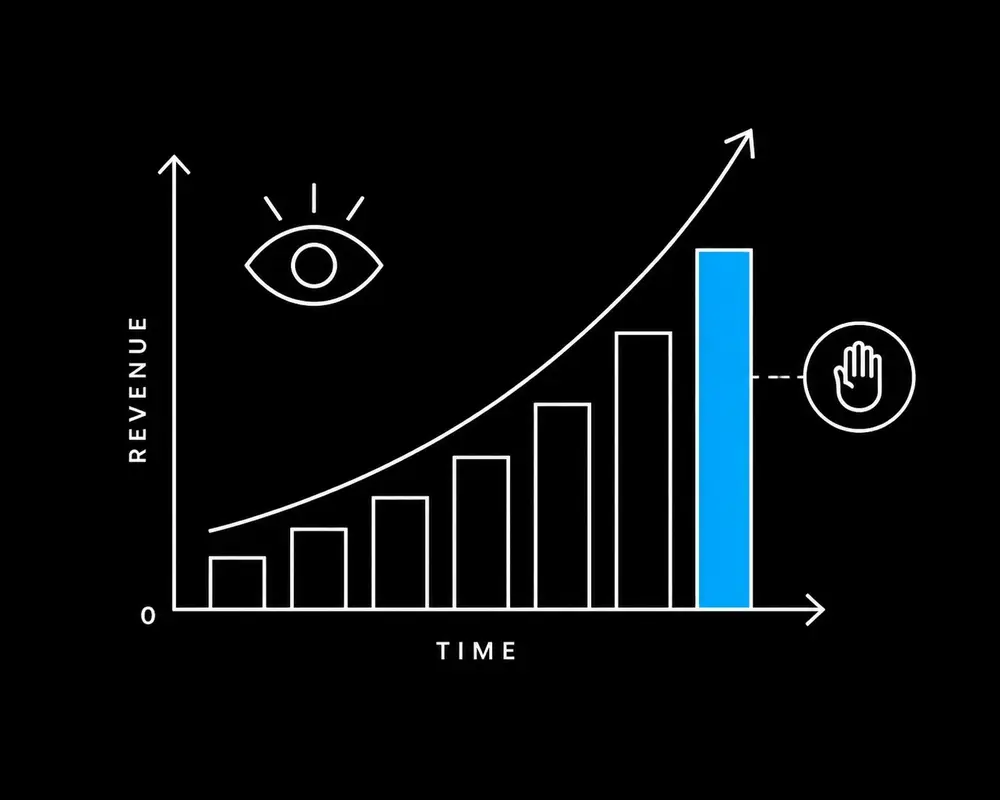
The facts supporting this shift are absolute. Organizations that have transitioned to an accessibility-first and AI-integrated design model report a 75% increase in revenue benefits. This is not a coincidence. It is the result of removing friction for the 1.52M happy customers that this expert has served throughout his career.

Quantifiable credibility and metrics
A design's value is only as strong as the metrics it moves. When evaluating the impact of mobile app design services, one must look at the specific capabilities driving the needle:
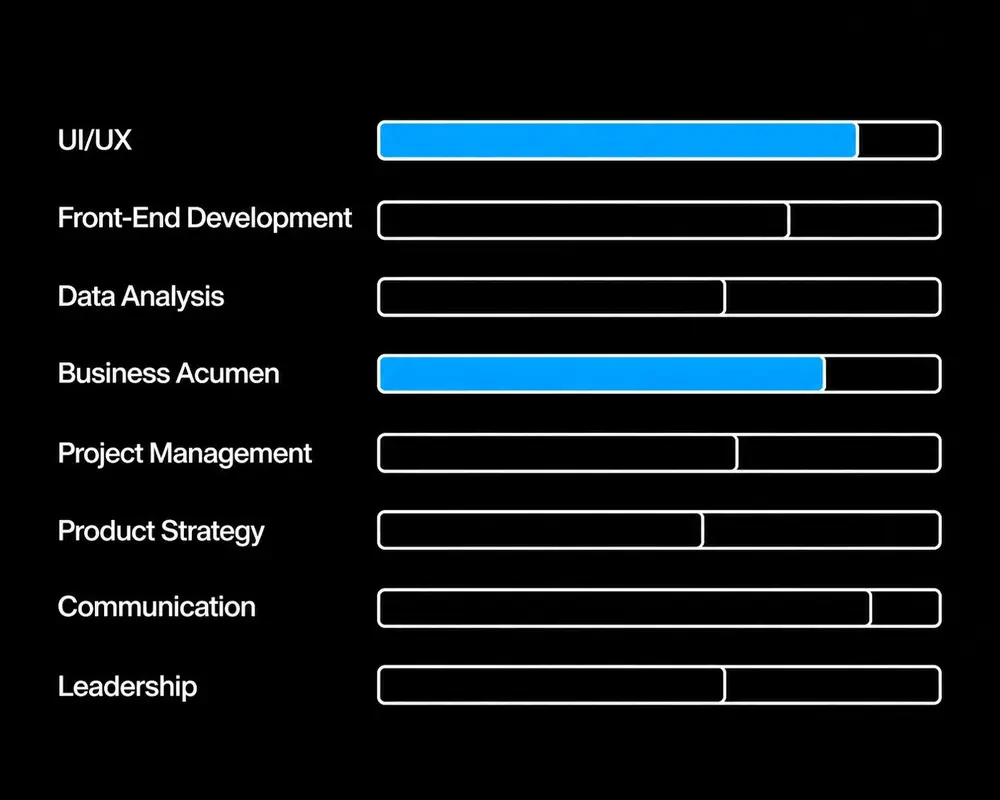
- UI/UX Design Mastery (95%): The ability to synthesize complex user needs into intuitive flows that minimize cognitive load.
- Product Management (95%): Overseeing the lifecycle of a product to ensure that business goals are met at every stage of development.
- Business Acumen (90%): Understanding the underlying financial drivers that make a digital product a profitable asset rather than a liability.
- ADA Compliance (90%): Ensuring that products are accessible to all users, which directly expands the addressable market and mitigates legal risk.
He has controlled and managed projects at a scale that few in the industry can claim, focusing on a data-driven approach that combines design thinking with analytical insights. In 2026, the market rewards those who can marry creative vision with technical precision.
The three pillars of the 2026 revenue engine
To understand how design drives revenue today, one must examine the core pillars that Mr. Ortiz utilizes to transform standard interfaces into high-performance assets.
1. Ambient AI and agentic interfaces
The "Ask AI" button is a relic of the past. In 2026, the most successful products use ambient AI to anticipate user needs before they are articulated. This reduces the time-to-task completion, a metric that has a linear relationship with user retention. By acting as a "doer" in the background, the interface removes the traditional barriers to entry, leading to higher task completion rates and, ultimately, higher conversion.
2. Moment-based personalization
Static user segments are no longer sufficient. Modern ux ui design services now focus on moment-based personalization: interfaces that adapt based on the user's current context, intent, and historical behavior. This level of responsiveness ensures that the most relevant information is always front-and-center, drastically reducing decision fatigue.
3. Accessibility as an acquisition strategy
Accessibility has evolved from a compliance checkbox into a powerful revenue lever. By designing for the broadest possible audience, businesses tap into underserved markets. This expert's 90% rating in ADA compliance reflects a commitment to this standard, recognizing that an accessible product is a superior product for everyone.
Scaling success for global corporations
The expertise required to manage 172 projects across diverse industries is not gained overnight. It is the result of over two decades of refinement. Global corporations seek out this level of strategic insight because the stakes are too high for "good enough" design. When millions in revenue are on the line, the difference between a 2% and a 5% conversion rate is transformative.
He approaches every project with a comprehensive skill set that spans both the creative and the technical. This duality allows him to serve as both a strategist and an executor, ensuring that the high-level vision is never lost in the implementation. Whether it is through prototyping and design or advanced data visualization, the goal remains the same: driving performance.
Data-driven insights vs. aesthetic trends
In 2026, the industry has finally moved past the distraction of purely aesthetic trends. The "dark mode" or "glassmorphism" of previous years has been replaced by a focus on "pageformance": the synergy of lean code, optimized assets, and high-impact visual communication.
This lean approach to mobile app design services ensures that products are not only beautiful but also lightning-fast. In a world where a 100-millisecond delay can result in a 7% drop in conversions, performance is the ultimate design feature. The use of purposeful motion and micro-interactions is now strictly tied to guiding attention and rewarding user progress, rather than being used as decorative filler.
The future of product design consultancy
The role of a product design consultant in 2026 is to be the bridge between technology and human behavior. Mr. Ortiz has built a career on being that bridge. His influence is felt across multiple industries, from fintech to healthcare, where his patented methods and recognized expertise have set new standards for what a digital experience can achieve.
The diverse range of clients: from small businesses and celebrities to global leaders: all share a common requirement: they need a product that works as hard as they do. They need a system that doesn't just look professional but operates with the efficiency of a high-performance engine.
Conclusion: the path forward
The reality of 2026 is clear: design is the most powerful tool in the business arsenal. It is the silent closer in the sales process, the guardian of user retention, and the primary driver of top-line growth. Those who recognize this shift and invest in high-level expertise will continue to see their revenue climb, while those who cling to outdated, purely visual models will find themselves left behind.
Managing millions in revenue and millions of happy customers is a responsibility that requires more than just design skills: it requires a deep understanding of the global market and a commitment to excellence. As we look toward the future, the integration of AI, the expansion of accessibility, and the precision of data-driven design will remain the cornerstones of success.
We are here to help you navigate this complex landscape and transform your digital product into a true revenue engine.