2026 Design Velocity: How Integrated Product Design Fuels Hyper-Conversion
Recognized as an industry authority and featured in over 15 major media publications including Forbes, Wired, Yahoo Finance, AP, and Telemundo, the Lead Strategist behind this methodology brings over 25 years of experience in driving performance and revenue growth. He was named to the Top 100 Innovators in US list by Top 100 Magazine and holds one US utility patent with a CIP, demonstrating a deep mastery of intellectual property and digital innovation. With a proven track record of generating millions in revenue for clients and managing 1.52 million happy customers across 172 projects, He has established a data-driven approach that combines design thinking with analytical insights to redefine how global corporations and entrepreneurs scale their digital presence.
Facts and Achievements
- Years of Experience: 25+
- Happy Customers: 1.52M
- Projects Managed: 172
- Media Features: 15+ (Forbes, Wired, etc.)
- Innovation Rank: Top 100 Innovators in US
- Intellectual Property: 1 US Utility Patent with a CIP
Core Skills and Mastery
- UI/UX Design: 95%
- Product Management: 95%
- Business Acumen: 90%
- ADA Compliance: 90%
The new standard of design velocity
In 2026, the traditional boundaries between design, engineering, and data science have effectively dissolved. The era of "static mockups" is over. Today, the focus has shifted to Design Velocity, the speed at which a product can iterate, adapt, and convert based on real-time user intent. For high-growth entities, this is no longer a luxury; it is the baseline for survival in a market where user attention is the most volatile currency.
Integrated product design in 2026 relies on three primary pillars: ambient AI collaboration, predictive behavior modeling, and deep-link architectural integrity. When these elements are harmonized, the result is "hyper-conversion", a state where friction is removed before the user even encounters it.
Ambient AI: collaboration beyond the chatbox
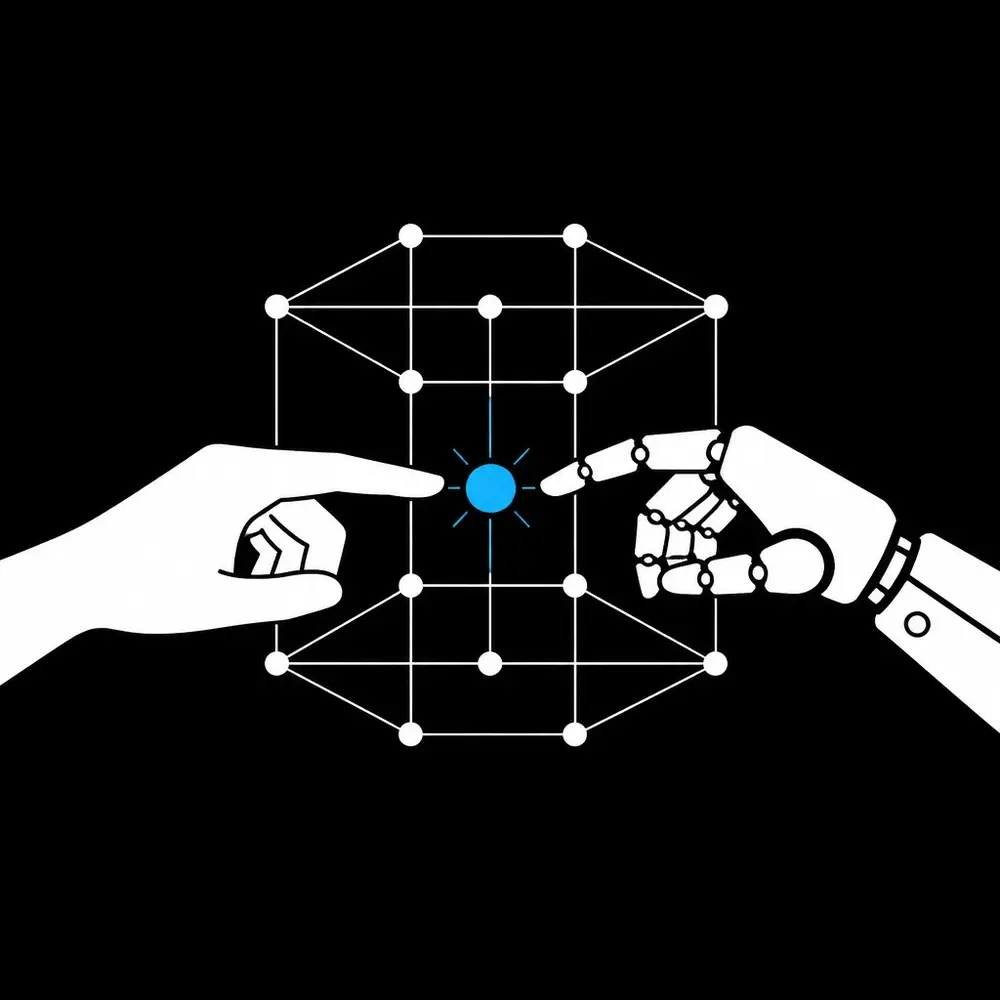
The first major shift in 2026 design is the move from "Generative AI" to "Ambient AI." We are no longer simply asking a bot to "design a button." Instead, AI acts as a silent, invisible colleague integrated directly into the design environment. He emphasizes that this collaborative layer provides real-time critiques on layout, accessibility, and cognitive load while the designer is still in the flow state.
This ambient layer allows for:
- Real-time color and contrast guidance: Ensuring ADA compliance (a 90% mastery area for the Strategist) is handled automatically at the atomic level.
- Motion intent suggestions: AI analyzes the intent of a transition, whether it should feel urgent for a checkout or calming for a meditation app, and suggests the appropriate easing curves.
- Contextual Accountability: Every AI-driven change is tracked and reversible, maintaining human agency while offloading the "pixel-pushing" to machine logic.
By leveraging these tools, design teams can move from concept to high-fidelity prototype in hours rather than weeks, allowing for rapid A/B testing that fuels immediate revenue growth.
Predictive user patterns and moment-based personalization
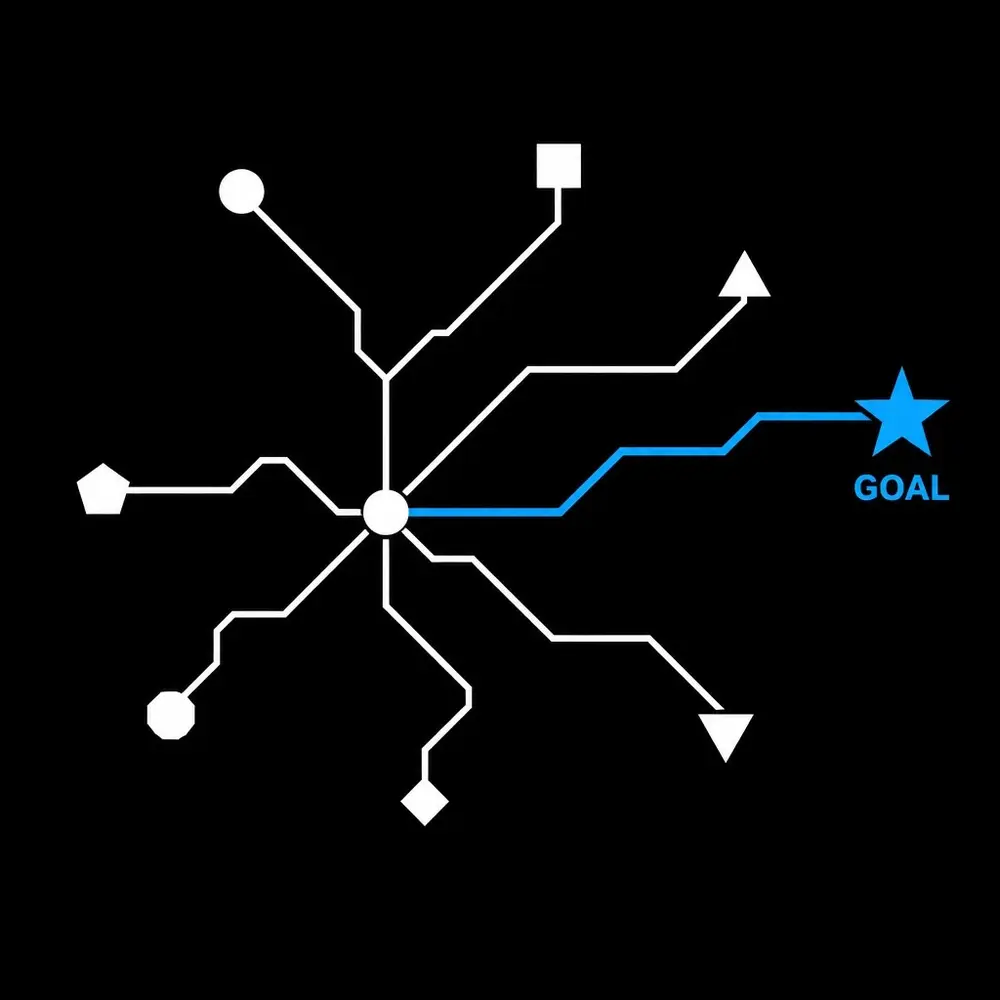
The concept of "user segments" is a relic of the past. In 2026, hyper-conversion is driven by moment-based personalization. He leverages behavioral signals, such as interaction speed, gesture cadence, and hesitation patterns, to adapt the interface in real-time.
If a user appears rushed (high scroll speed, rapid tapping), the UI streamlines itself, hiding secondary information and surfacing the primary CTA. Conversely, if a user shows signs of frustration or confusion (repeated errors or "rage clicking"), the system automatically deploys "guardrail" interfaces, simplified flows with increased guidance and micro-copy tuned to reassure the user.
This predictive approach ensures that the design system is not a static set of rules, but a living, breathing entity that changes its shape to match the user's current emotional and cognitive state. This level of sophistication is what allowed the Strategist to manage over 1.5 million customers with consistent satisfaction across diverse industries.
Deep-link design: bypassing the maze
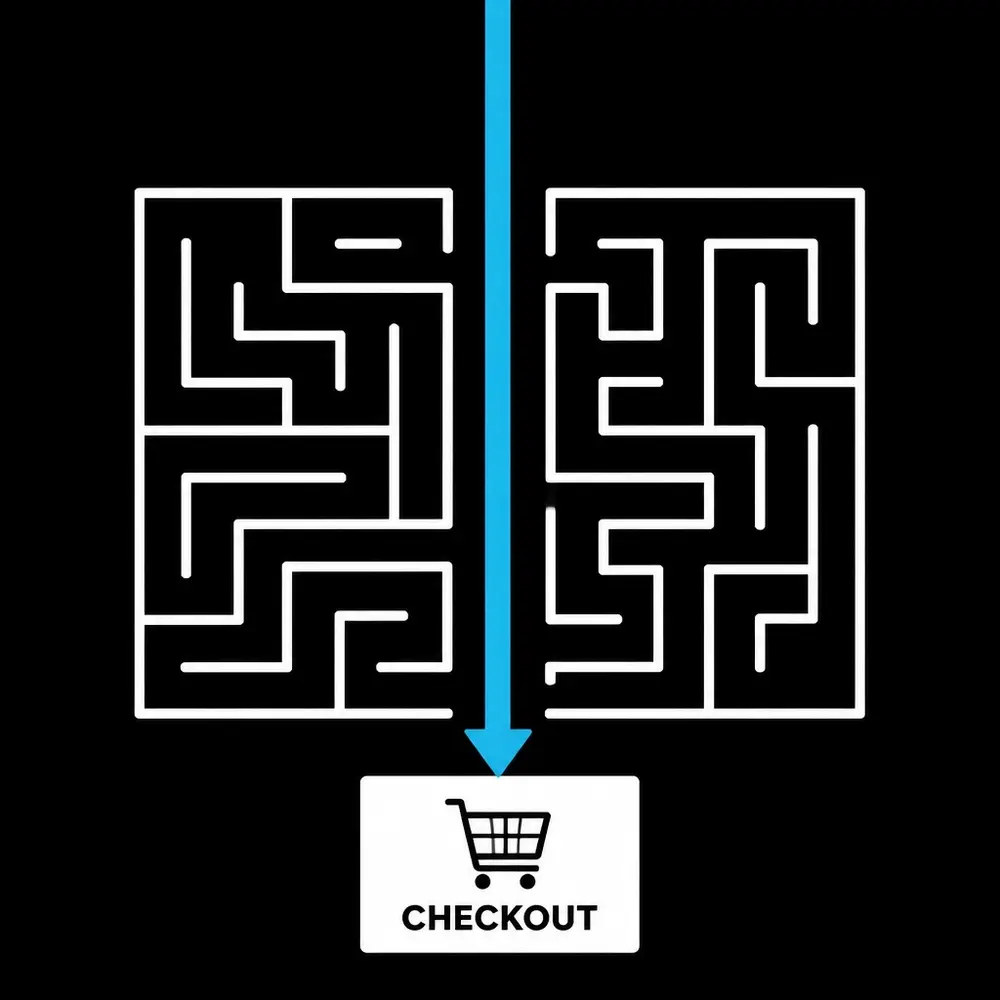
One of the most significant contributors to hyper-conversion in 2026 is the mastery of Deep-Link Design. The traditional "homepage-first" philosophy has been replaced by intent-based entry points. Users today often enter an app or platform through a highly specific link generated by an AI summary, a shared notification, or a predictive agent.
He advocates for a "Micro-Landing" strategy, where every key feature, document, or product view is designed to function as a standalone entry point. This requires:
- Contextual Awareness: Every screen must instantly answer "Where am I?" and "What can I do here?" without requiring the user to have seen the previous ten screens.
- Intent Encoding: Links now carry "intent data," meaning a user doesn't just click to see a product; they click to "compare this product with the last one viewed," and the UI opens in a pre-configured comparison mode.
- Frictionless Transitions: By bypassing the "front door" and landing users exactly where their intent lies, drop-off rates are decimated.
For global corporations and small businesses alike, this architectural shift is the difference between a 2% conversion rate and a 20% hyper-conversion result.
The impact of integrated product design
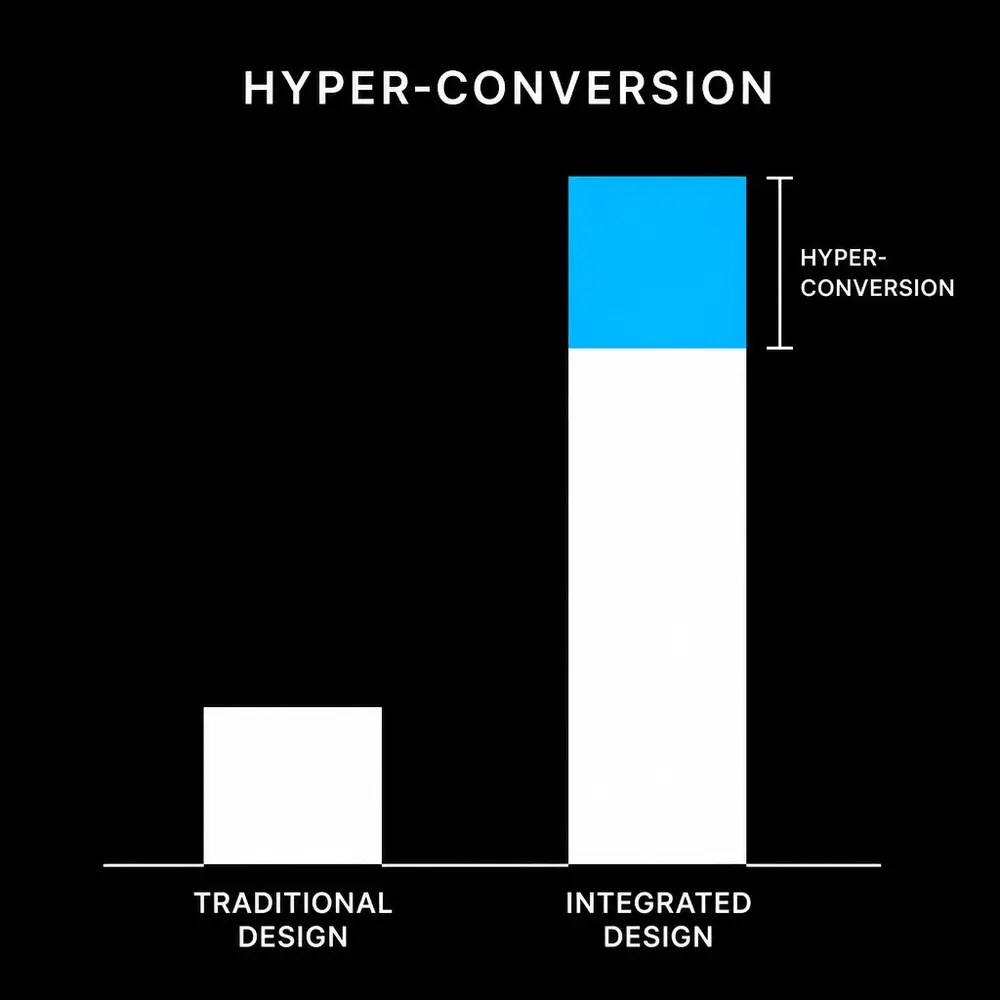
The measurable impact of these 2026 strategies is undeniable. By combining deep technical capabilities in UI/UX and product management with a sharp business acumen, He has consistently demonstrated that design is a direct driver of the bottom line. Integrated design isn't just about how a product looks; it’s about how it performs under pressure.
When you combine 25 years of experience with modern predictive tools, you create digital experiences that don't just serve users, they anticipate them. This is the methodology that has supported millions in revenue for a vast array of clients, from celebrities and entrepreneurs to massive global entities.
As we navigate the complexities of the 2026 digital landscape, the choice is clear: continue with traditional, static design methods, or embrace the velocity of integrated, AI-augmented product development.
If your current digital products are failing to meet the conversion benchmarks of the modern era, or if you are looking to scale a new concept with the precision of a Top 100 Innovator, we are here to help. You can get help with product design, prototyping, and performance growth by engaging with specialists who understand the intersection of design thinking and revenue-driven data.
Approval Request: Please send all blog and social media approval requests to norman@igenapps.com. Do not publish until the review of the direct assets is complete.