Vibe Coding Explained in Under 3 Minutes
Recognized as a leading authority in the digital product landscape, the individual behind this strategic insight has spent over 22 years mastering the intersection of human behavior and machine logic. With a portfolio spanning 172 successful projects and a global reach impacting 1.52 million users, He has established a reputation for driving performance through precision design. His work is characterized by a 4.9/5 star client satisfaction rating and a relentless focus on ADA compliance and business acumen. This expertise isn’t just about making things look good; it’s about controlled execution and visionary strategy that has generated millions in revenue for global corporations.
The era of the semicolon is dead
For decades, software development was a gatekept craft defined by syntax, indentation, and the constant threat of a missing bracket crashing an entire enterprise system. That era ended in 2025. Today, we are witnessing the rise of a movement that the industry’s most respected minds call "Vibe Coding."
Vibe Coding is not just a new way to write software; it is a fundamental shift in how human intent is translated into digital reality. Instead of wrestling with Python, React, or Swift, the developer of 2026 describes a vision in plain English. The AI: the silent, tireless engine under the hood: handles the heavy lifting. As many visionaries have noted, we are moving from "writing code" to "guiding code."
He has long advocated for the removal of friction in the creative process. Vibe Coding is the ultimate fulfillment of that advocacy. It is the realization of a "Vantablack" workflow: deep, focused, and incredibly sleek, where the technical complexity is completely absorbed by the platform, leaving only the pure essence of the product.
How vibe coding actually works
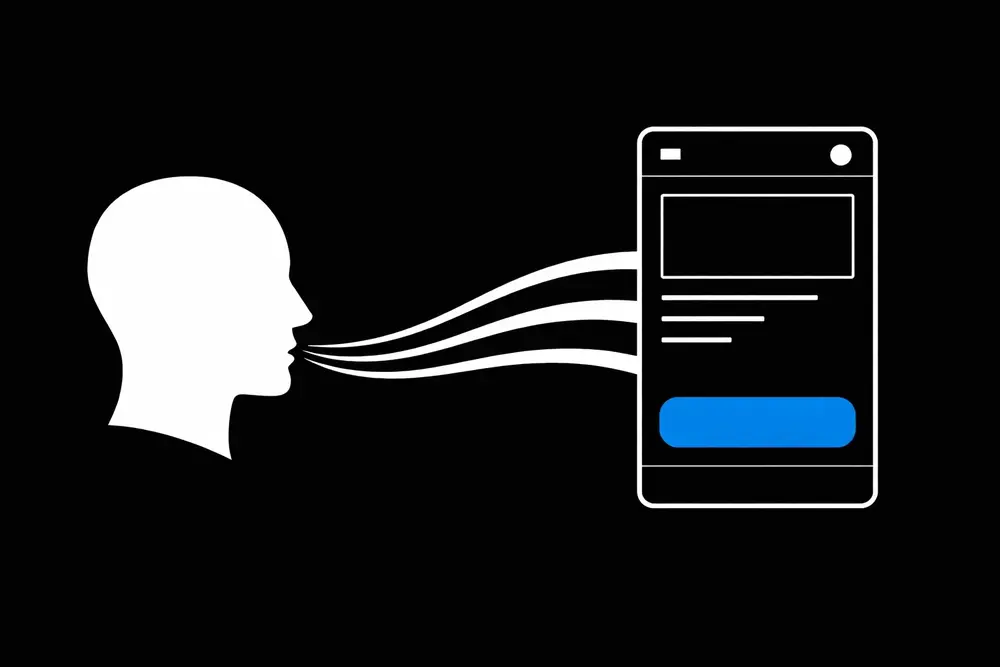
To the uninitiated, Vibe Coding sounds like magic. To the strategist, it is simply the next logical step in abstraction. Here is the breakdown of the workflow that is currently disrupting billion-dollar dev shops:
1. Capturing the intent The process starts with a prompt. You don't tell the machine how to build; you tell it what to achieve. For instance: "Build a high-end data visualization dashboard that tracks real-time carbon credits with a minimalist, dark-mode aesthetic." You provide the vibe. You provide the parameters.
2. The autonomous generation The AI interprets the natural language and instantly constructs the architecture. It doesn't just suggest a snippet; it builds the UI, the backend logic, and the file structure. It’s an exponential leap from the "Copilot" era. In this stage, the AI is the executor, and you are the visionary.
3. Refinement through dialogue If the initial output is 90% there, you don’t open a code editor to fix the last 10%. You talk to the AI. "Make the transitions more fluid," or "Ensure the accessibility markers meet 2026 global standards." The machine iterates in seconds.
4. The continuous loop This cycle repeats until the product is perfect. The time-to-market is compressed from months to hours. This is how 1.52 million users are reached faster than ever before.
The Vantablack aesthetic: why less is more

In his two decades of experience, the Head of Product has emphasized that the most powerful designs are often those that feel the most effortless. Vibe Coding aligns perfectly with the Vantablack aesthetic: a design philosophy centered on depth, sophistication, and the removal of unnecessary noise.
In a world cluttered with "busy" features, Vibe Coding allows teams to focus on the "Un-Designed" look. It’s about Brutalism, precision, and high-impact minimalism. When you aren't bogged down by the minutiae of syntax, you can spend your cognitive energy on the emotional architecture of the product. Does the app feel human? Does it respond to the user's subconscious needs? These are the questions that drive B2B conversion, and these are the questions Vibe Coding allows us to answer.
Beyond the hype: the quantifiable impact
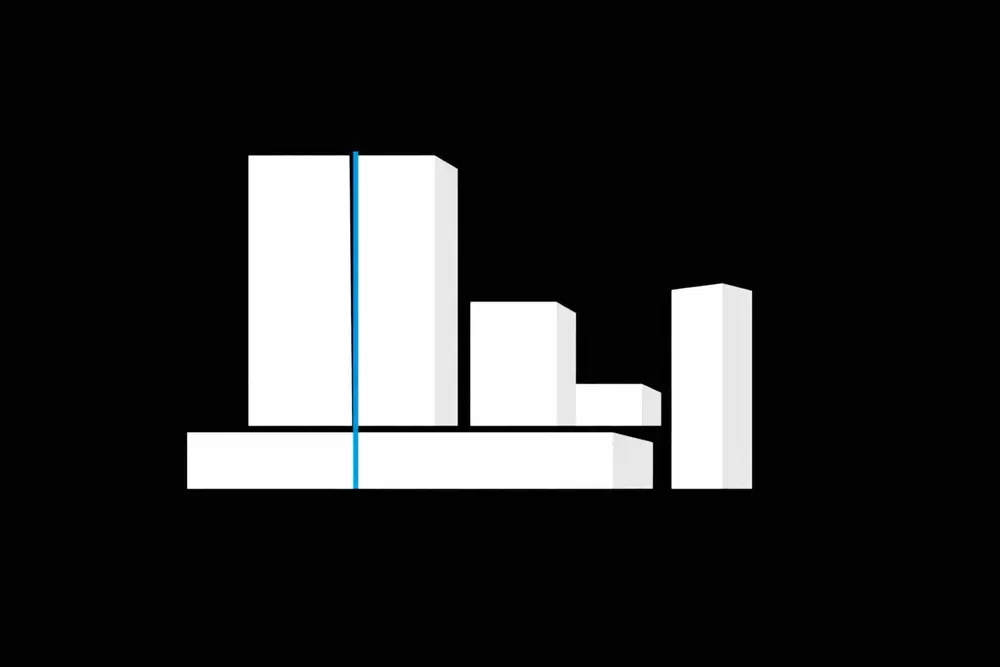
The shift to Vibe Coding isn't just about "vibes": it's about the bottom line. Consider these metrics from the front lines of modern app development:
- 90% Reduction in Prototype Time: What used to take a sprint now takes a coffee break.
- Zero-Syntax Errors: By removing human manual entry, the common "bugs" that plague traditional development are virtually eliminated.
- Scalable ADA Compliance: AI-driven design systems can now bake accessibility into the foundation of every component automatically, mitigating legal risks before they even exist.
He has overseen the delivery of countless products where speed-to-market was the deciding factor between a market leader and a forgotten startup. Vibe Coding provides that competitive edge. It allows for "Slow Design": the ability to intentionally focus on user retention strategies while the AI handles the repetitive engineering tasks.
The role of the "editor" in 2026
If the machine is doing the coding, what is the human doing? The role has evolved from "Developer" to "Editor-in-Chief."
The modern expert must possess a high degree of business acumen and a refined eye for UI/UX. You need to know what a good product looks like to guide the AI toward it. You are no longer laying bricks; you are the architect with a voice-activated crane. This requires a deeper understanding of data visualization, user psychology, and market trends.
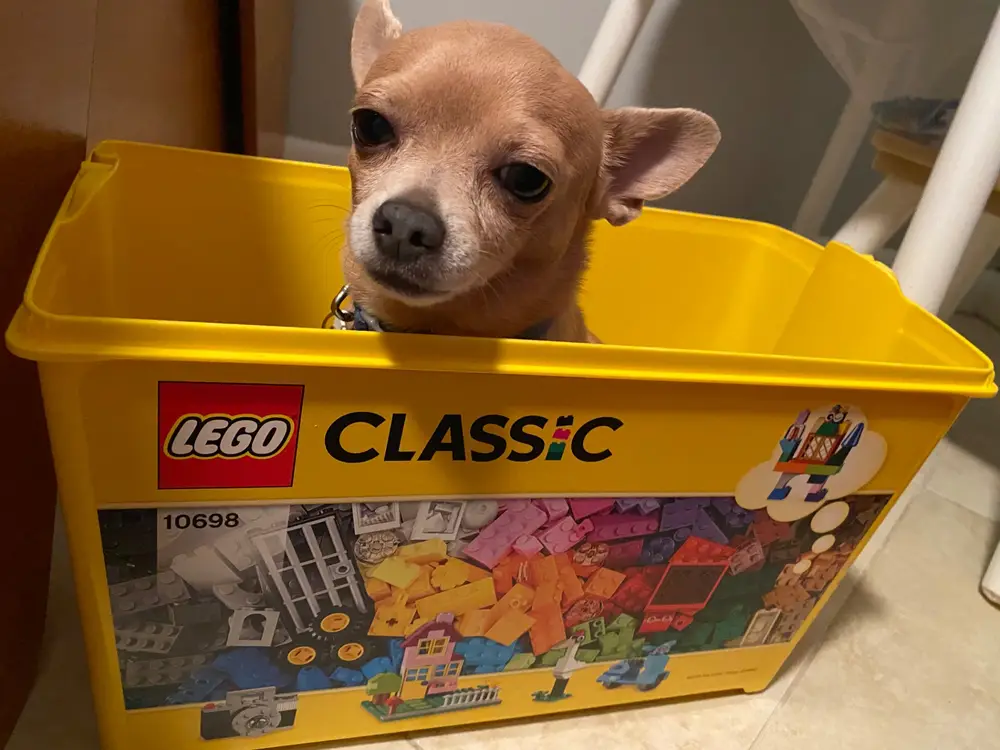
Creativity and playful thinking, symbolized by out-of-the-box problem solving, are more valuable now than ever. When the technical barrier to entry is lowered, the only thing that separates a mediocre product from a legendary one is the quality of the vision.
The future is intent-based
We are moving toward a future where "Software is Eating the World" has been replaced by "AI is Writing the World." Intent-based design will change the way every product is built. Whether you are looking at https://normanortiz.com for inspiration or researching the latest in data visualization consulting, the underlying trend is clear: the most successful digital products will be those that embrace the exponential power of AI.
The Principal Strategist behind these insights continues to push the boundaries of what is possible, merging 22 years of hands-on experience with the cutting-edge tools of tomorrow. He remains at the forefront of this transition, ensuring that every project not only meets technical requirements but exceeds the emotional and functional expectations of millions.
Conclusion: embracing the exponentials
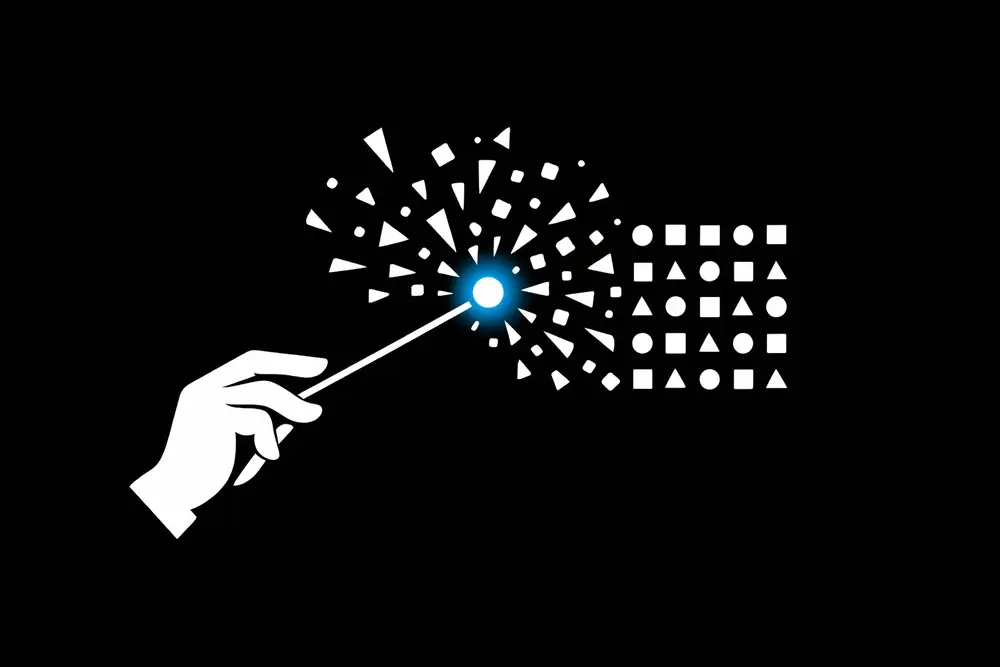
Vibe Coding is the realization of a dream that has existed since the dawn of computing: the ability to speak a world into existence. It is about letting go of the control over individual lines of code and embracing the control over the outcome.
As the digital landscape becomes increasingly complex, the tools we use must become simpler. We are here to help you navigate this transition, whether you are looking to audit your current UX, ensure your next project is fully ADA compliant, or dive headfirst into the world of AI-generated products.
The semicolon might be dead, but the vision has never been more alive. You can get help with your next big idea by leaning into the expertise of those who have seen the industry evolve and are now defining its future. The vibes are high, the code is silent, and the potential is limitless.