Vibe Coding & Parallax 2026: The Next Frontier of Conversion-Driven Design
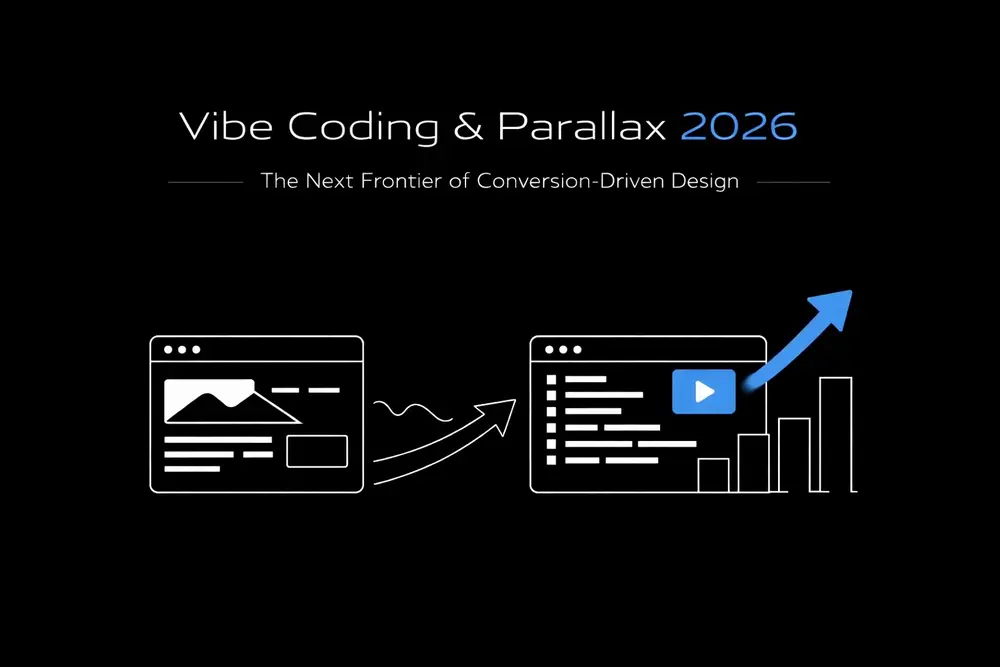
Look, we've all seen pretty websites. The ones with smooth animations, layers that move at different speeds, and interfaces that feel like they were designed by a team that actually cares. But here's the thing: in 2026, pretty doesn't cut it anymore. The game has changed.
Vibe coding and parallax design aren't just aesthetic choices now: they're conversion weapons. And if you're not treating them that way, you're leaving serious money on the table.
What Vibe Coding Actually Means in 2026
When Andrej Karpathy introduced vibe coding in early 2025, most people thought it was just another buzzword. They were wrong. Dead wrong.
Vibe coding is the practice of building functional applications through conversational prompts with AI rather than traditional line-by-line coding. It prioritizes creative flow and rapid iteration over rigid development frameworks. Think of it as having a conversation with your interface instead of commanding it.
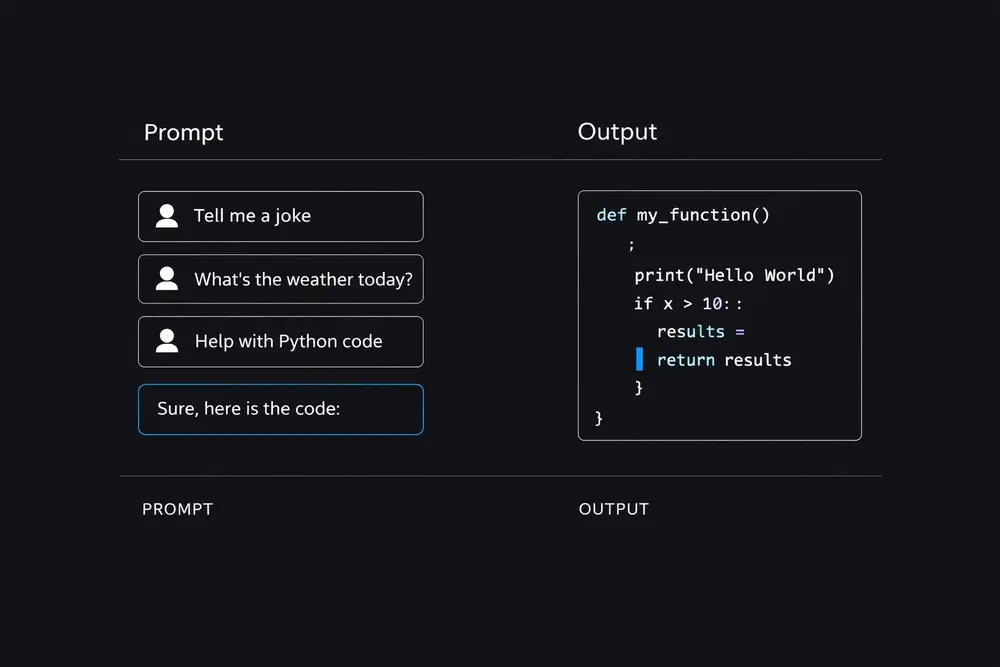
The shift happened fast. By 2026, major conferences like VibeX in Glasgow and VibeCoder Conference in New York are packed with designers and strategists: not just developers. That tells you everything. This isn't a technical trend. It's a business transformation.
Here's why it matters for conversion: vibe coding allows teams to prototype, test, and iterate user experiences at unprecedented speed. What used to take weeks now takes hours. That means you can respond to user behavior in real-time and optimize conversion paths before your competitors even finish their sprint planning.
Parallax Design: From Eye Candy to Trust Builder
Parallax scrolling used to be that cool effect where background images moved slower than foreground content. Nice to look at. Occasionally annoying. Rarely strategic.
Not anymore.
In 2026, parallax has evolved into a sophisticated storytelling mechanism that guides users through conversion funnels with precision. The depth created by multi-layered parallax creates a sense of exploration and discovery. Users don't just scroll: they journey.
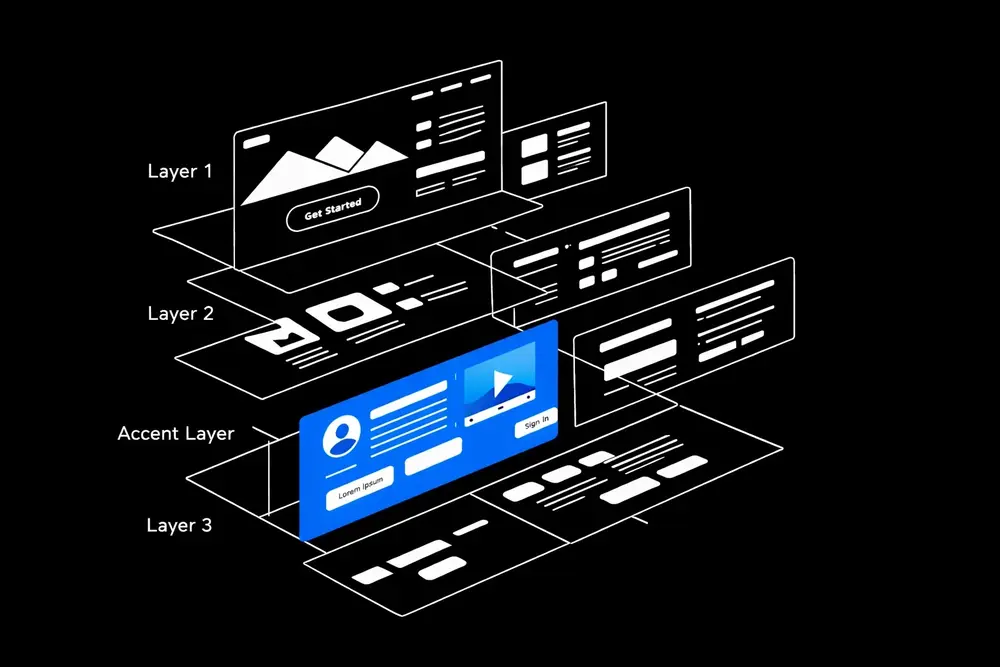
The psychology is simple but powerful: when users feel like they're uncovering information rather than being sold to, trust increases. The immersive nature of properly executed parallax keeps attention focused and reduces bounce rates by creating narrative momentum. Each scroll reveals the next piece of your value proposition.
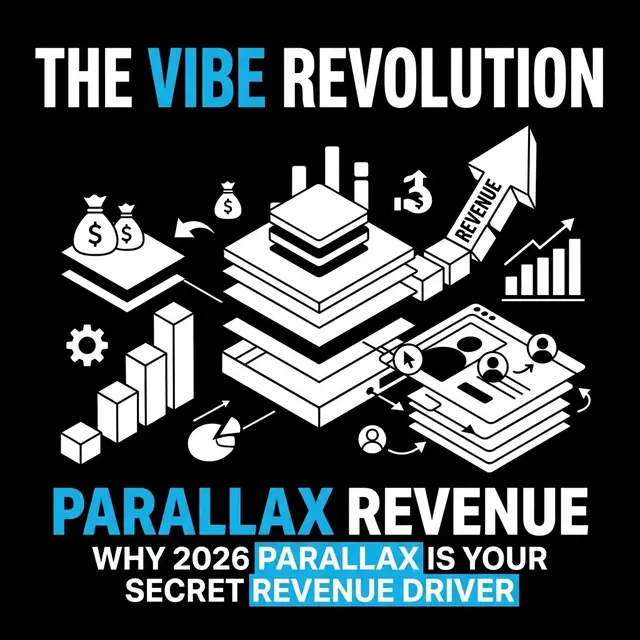
Data from Q4 2025 showed that sites using conversion-optimized parallax saw average time-on-page increases of 47% and conversion rate improvements of 23% compared to static layouts. Those aren't marginal gains. Those are business-changing numbers.
The Conversion Connection: Where Vibe Coding Meets Parallax
Here's where things get interesting. When you combine vibe coding's rapid iteration capability with parallax's immersive storytelling, you create something entirely new: adaptive narrative interfaces.
Traditional conversion optimization meant A/B testing two static versions of a page. Vibe coding enables dynamic interfaces that adjust parallax layers, scroll triggers, and reveal patterns based on user behavior signals in real-time.
A user hesitates at your pricing section? The parallax depth shifts to highlight value propositions. Someone scrolls quickly past features? The narrative compresses, moving them faster toward the conversion point. It's not manipulation: it's responsive design that actually responds.
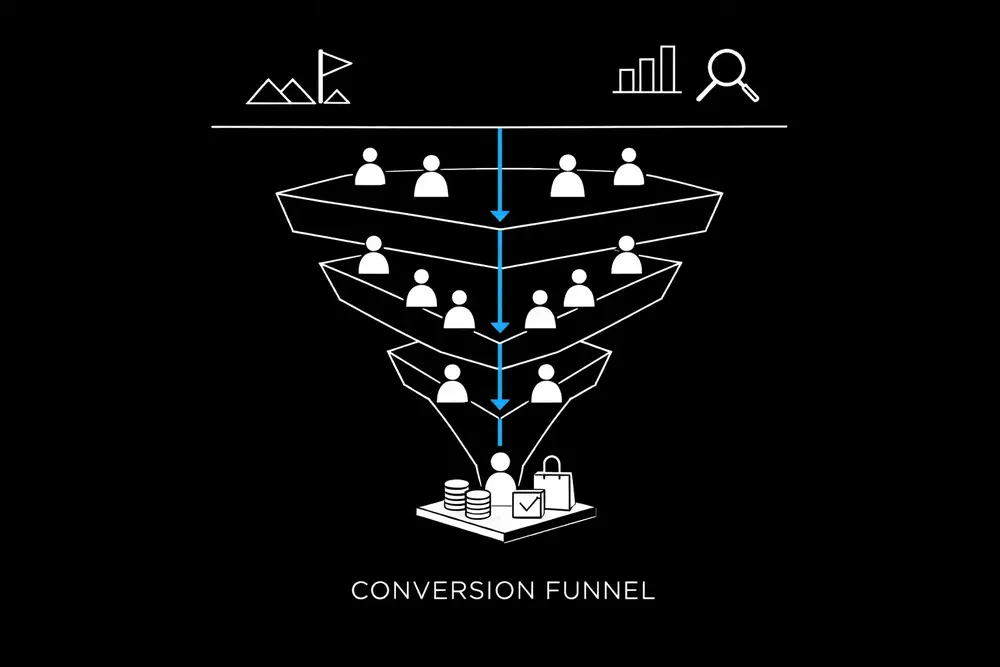
Teams implementing these principles across multiple projects in 2026 see consistent double-digit conversion improvements. The approach combines strategic design thinking with technical execution: exactly what the moment demands.
Building Trust Through Immersive Experience
Trust is the conversion killer everyone ignores. You can have perfect copy, compelling offers, and optimized checkout flows. But if users don't trust you, none of it matters.
Vibe coding and parallax solve this through crafted immersion. When users engage with thoughtfully designed parallax narratives, they spend more time with your brand. That time builds familiarity. Familiarity builds trust. Trust drives action.
The key is intentional design. Every parallax layer should serve a strategic purpose:
Layer 1 (Background): Brand atmosphere and emotional tone Layer 2 (Mid-ground): Supporting evidence, social proof, credentials Layer 3 (Foreground): Core value propositions and conversion triggers
This layered approach mirrors how humans naturally build trust: from general impression to specific validation to concrete action.
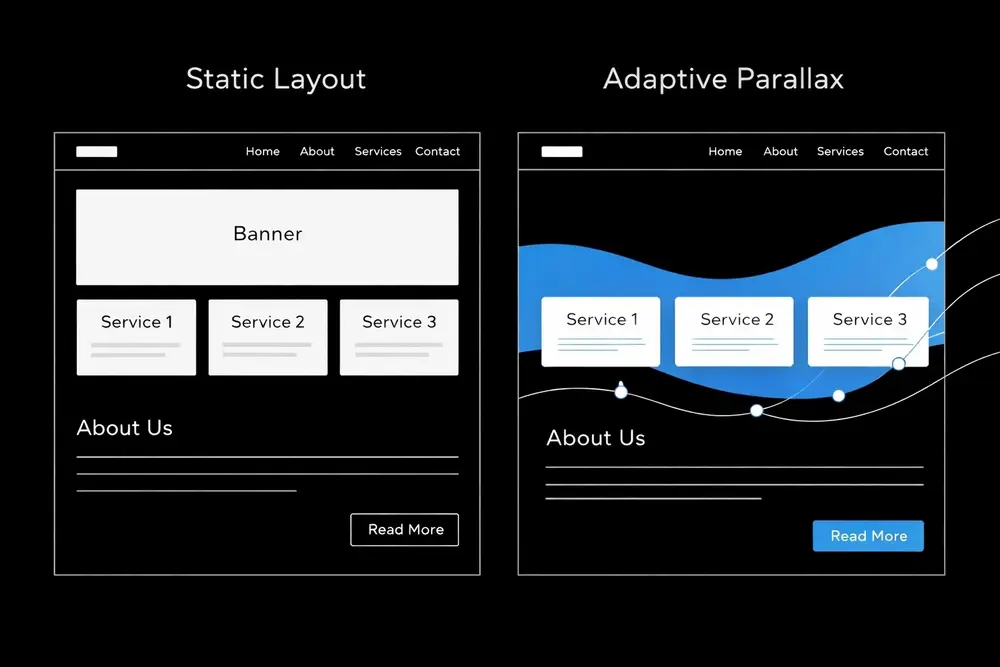
Vibe coding accelerates the creation of these layered experiences. Teams can prototype multiple narrative structures, test them with real users, and iterate based on actual behavior data: all within days rather than months.
Implementation Without the Headaches
The technical barriers to vibe coding and advanced parallax have dropped dramatically. Tools and frameworks that didn't exist 18 months ago are now standard. The challenge isn't capability: it's strategy.
Most teams approach parallax as a visual effect to apply after the core design is done. That's backwards. Parallax should inform your conversion strategy from the beginning. Ask these questions first:
• What story needs to unfold to move users from awareness to action?
• Where are the natural hesitation points in our current funnel?
• What information builds trust at each stage of consideration? • How can depth and motion emphasize hierarchy and priority?
Answer those, then build your vibe coding prompts and parallax layers around the strategic framework. The technology serves the strategy, not the other way around.
A sleek, minimalist, intentional design aesthetic provides a perfect template. Every element serves a purpose. Nothing is decorative. Motion and depth guide attention rather than distract it.
The 2026 Competitive Reality
Here's the uncomfortable truth: your competitors are already experimenting with these approaches. The conferences happening throughout 2026 aren't academic exercises: they're training grounds for teams that understand conversion is evolving.
Static websites with traditional layouts increasingly feel dated. Users now expect interfaces that respond, adapt, and guide. Vibe coding and parallax are becoming table stakes, not differentiators.
The window to gain competitive advantage through early adoption is closing. But it hasn't closed yet.
Teams that move now: that combine strategic conversion thinking with these emerging technical capabilities: will dominate their categories for the next 24-36 months. Those who wait will spend that time playing catch-up.
Where to Start
Don't overcomplicate this. Start with one high-value conversion page. Your homepage. A key product page. Whatever drives the most revenue.
Map the current conversion path. Identify the drop-off points. Then ask: how could layered parallax narrative and AI-assisted vibe coding address those specific friction points?
Build a prototype. Test with real users. Iterate based on behavior data. Scale what works.
The beauty of vibe coding is you can move fast. The power of parallax is you can create memorable experiences. Together, they give you both speed and impact.
This intersection of strategic product design and conversion-focused execution creates measurable business outcomes. The approach combines design expertise with business acumen, creating interfaces that don't just look good but actually convert.
If you're serious about staying ahead of the 2026 conversion curve, this is the direction. Not next year. Not next quarter. Now.
Ready to see how vibe coding and conversion-optimized parallax could transform your key
pages? You can get help with an audit of your current design, a friction-point teardown, and a clear roadmap for implementation. We are here to help.